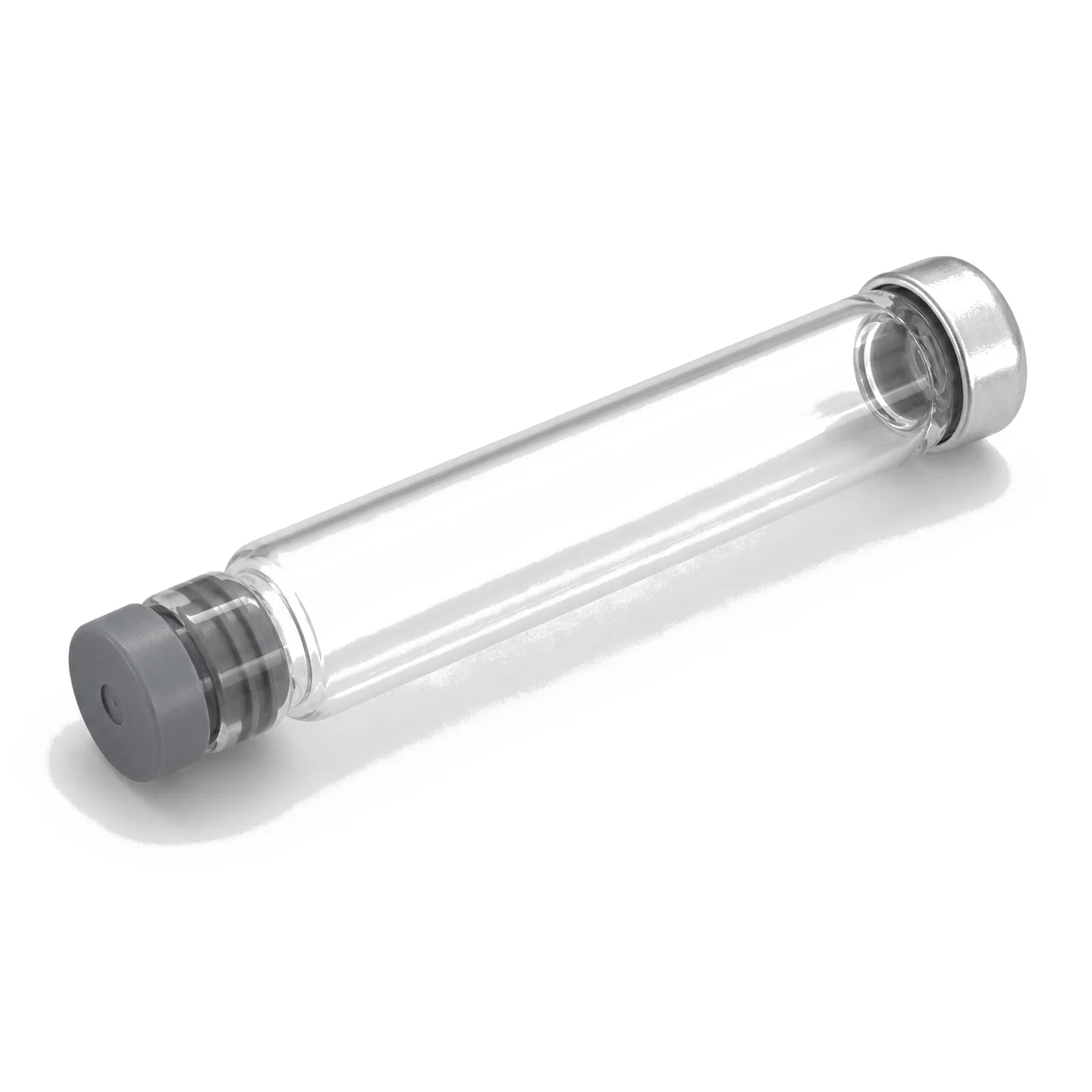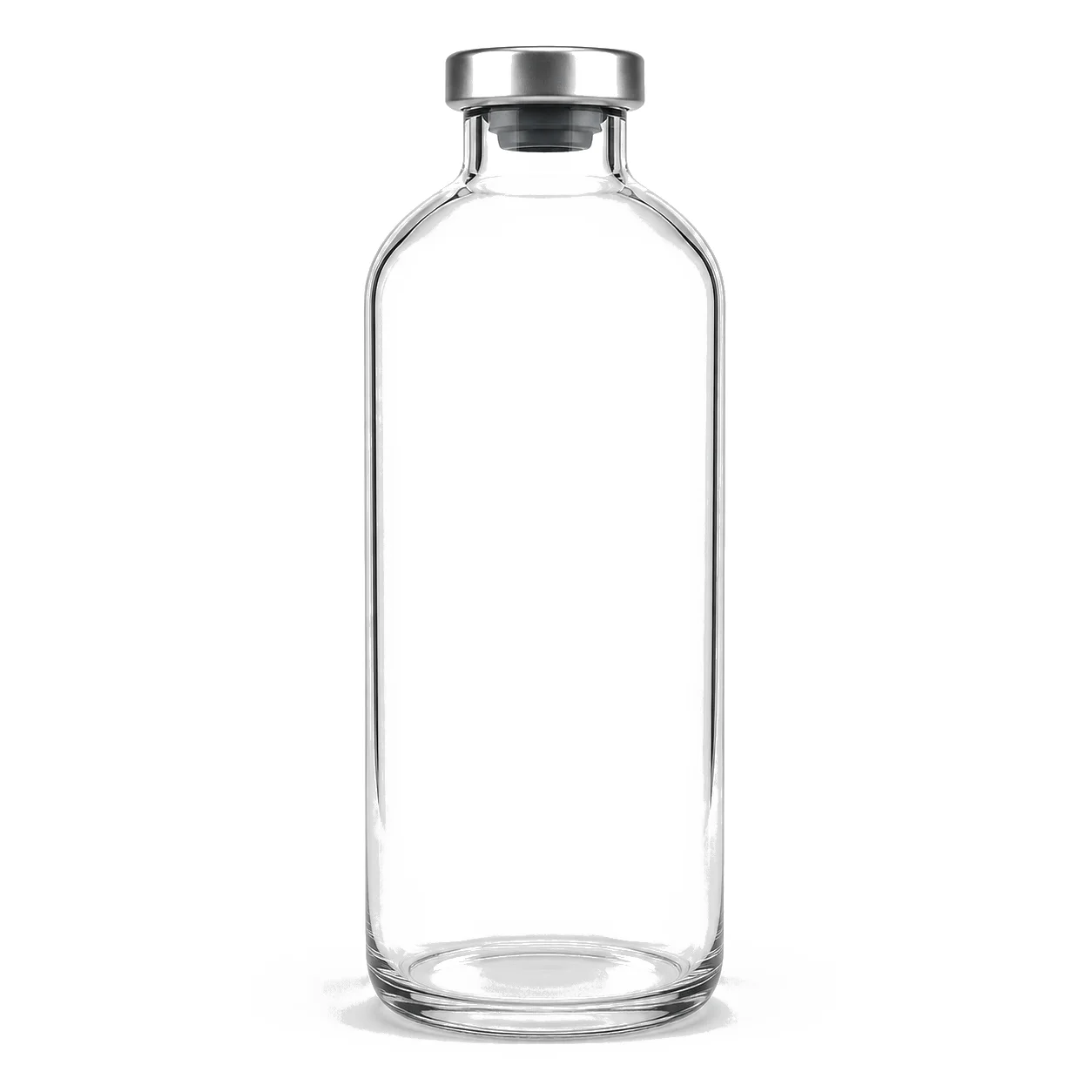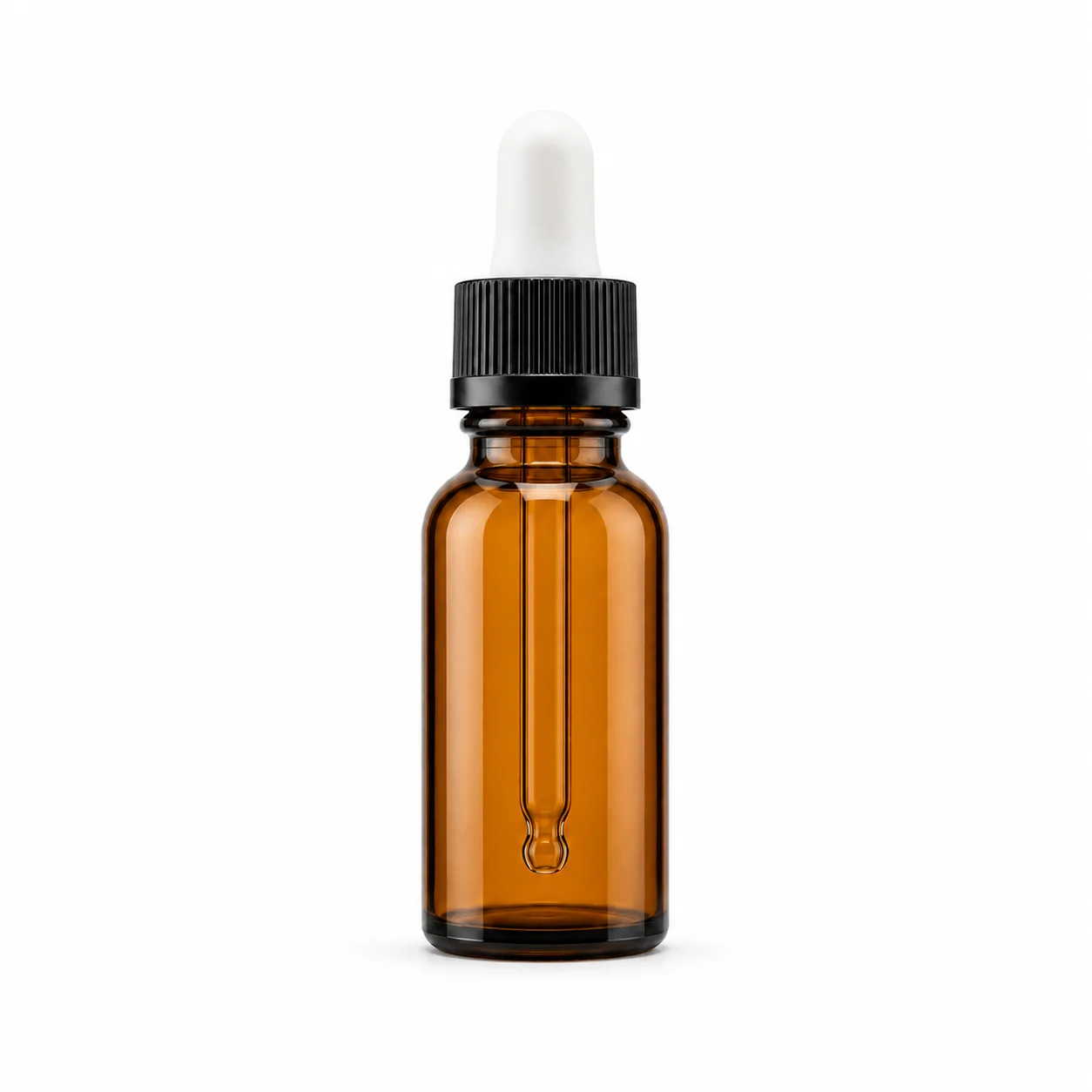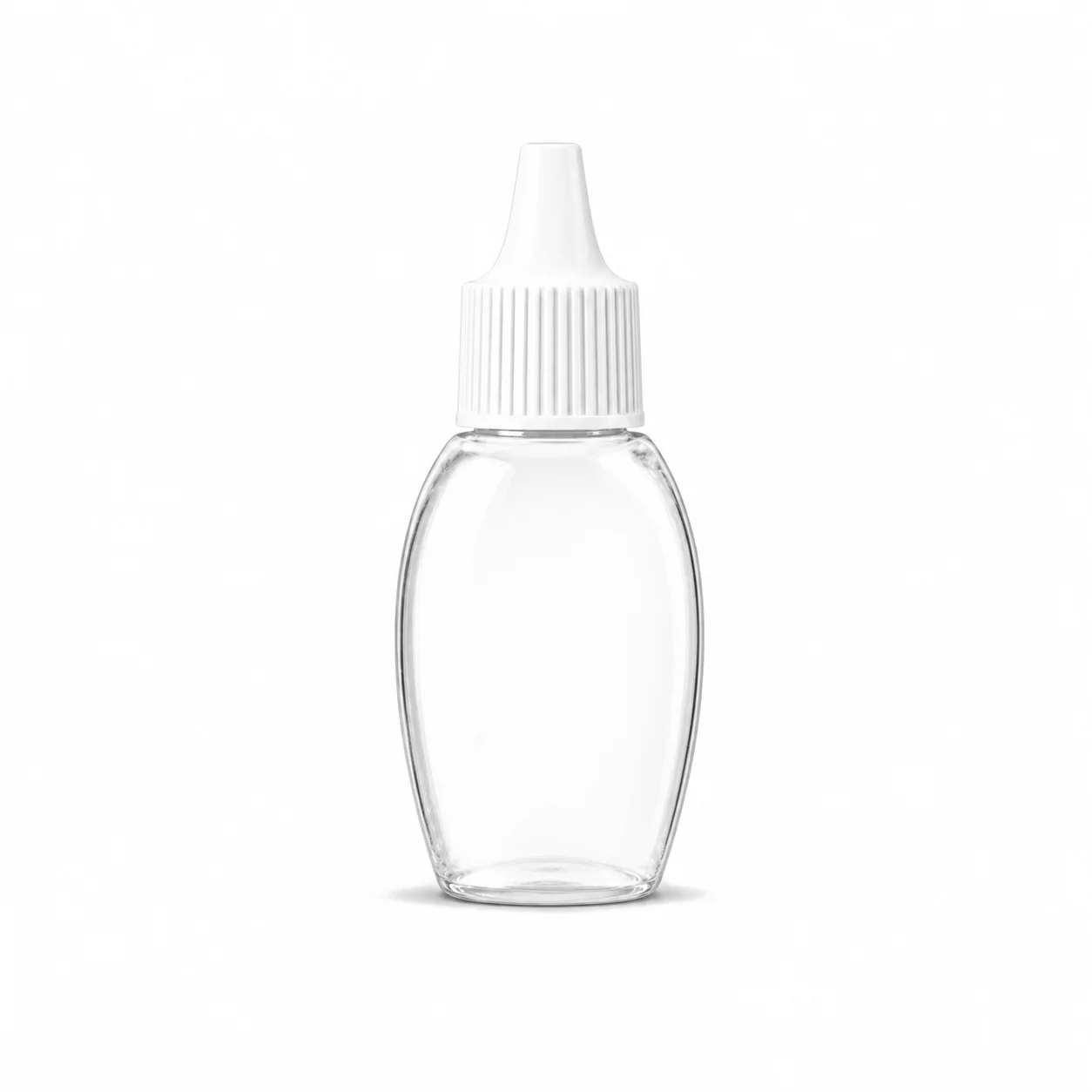
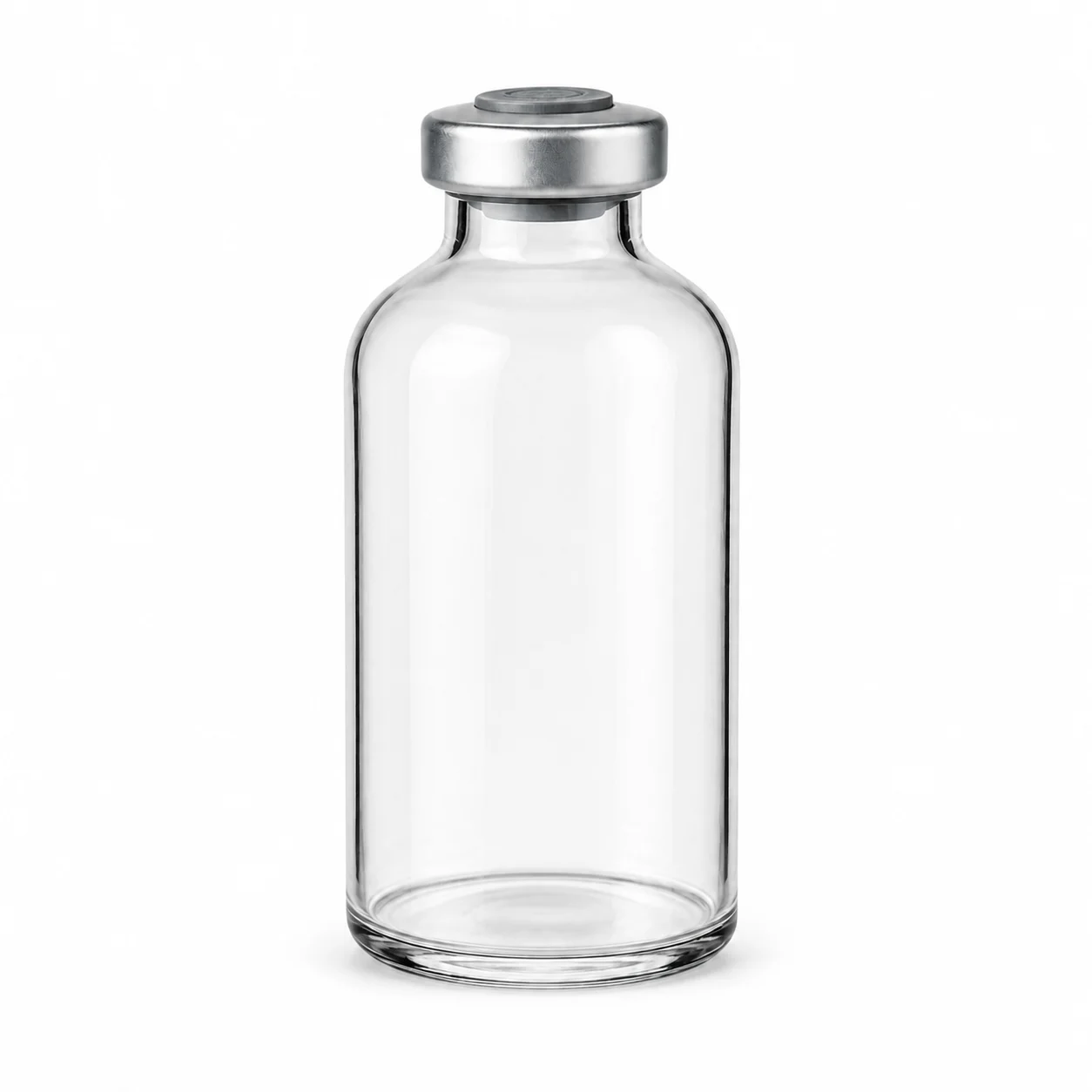
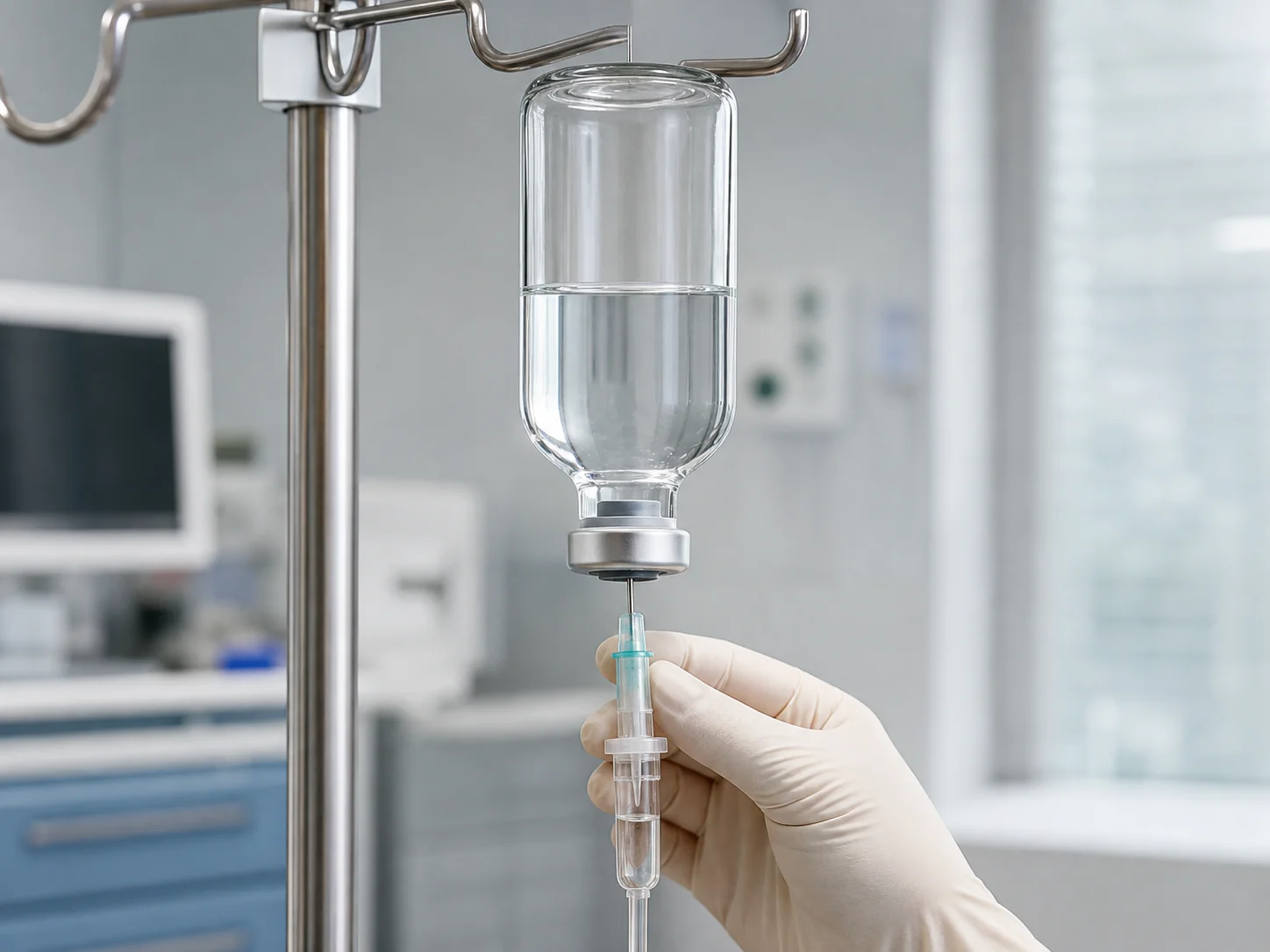
Wide-shouldered clear bottle with a gray stopper and crimped silver seal
Shown configuration · bottle with stopper and seal / solution, administration set and label not shown

Infusion containers

Infusion Bottle

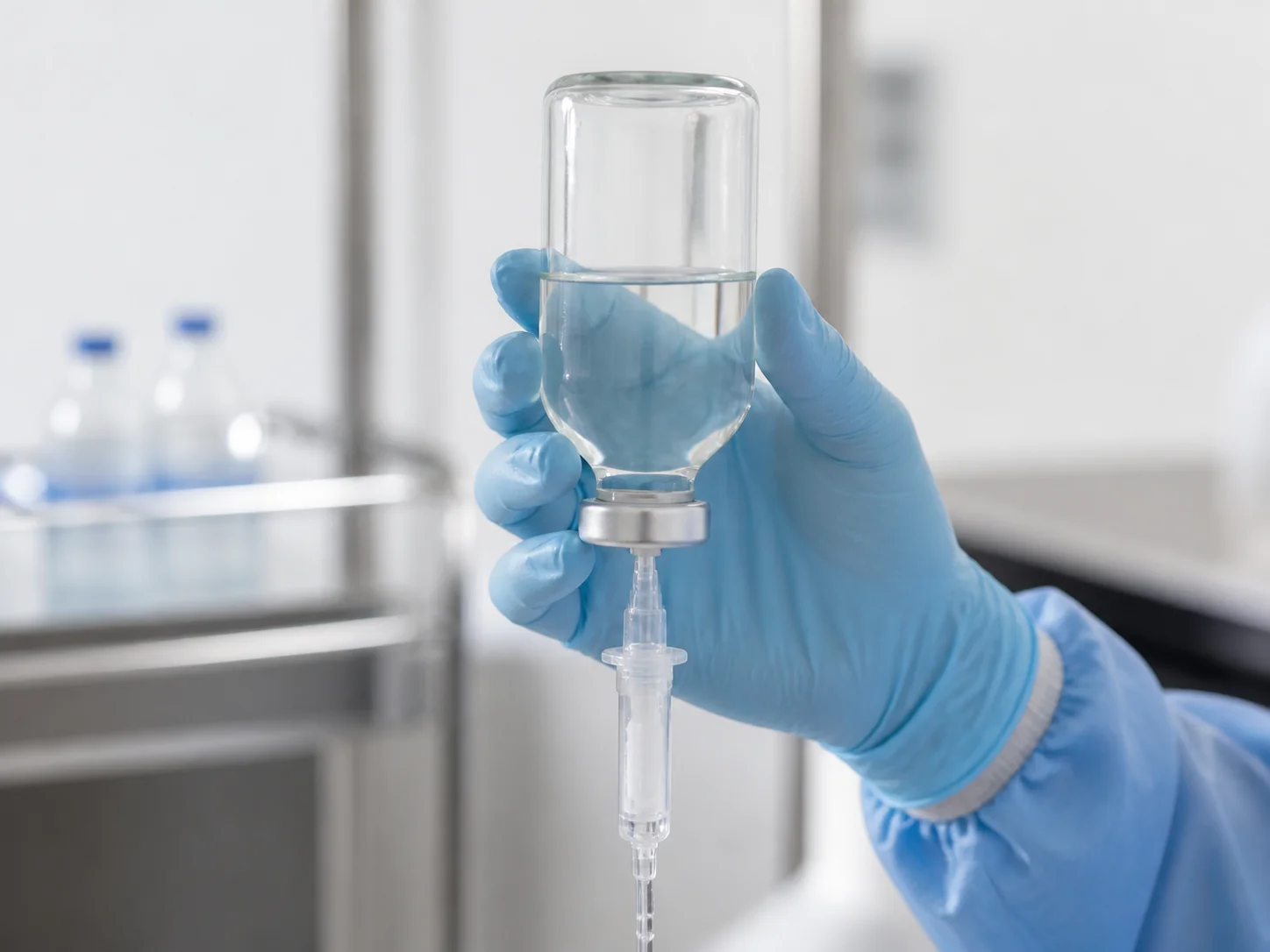
A glass infusion bottle to ISO 8536-1, closed by a pierceable stopper and hung inverted so an administration set can draw the contents down by gravity.

ISO 8536-1 formatPierced, then ventedClear and amber molded glass
Stock status
In stock
Lead time
2–3 weeks
FOB price / pc
$0.75 - $1.00
MOQ
5,000 pcs

Final availability, dimensions, materials, assembled components and commercial terms are confirmed against the selected drawing and approved sample.

Air has to get in

Gravity flow needs a vent path

Rigid container, visible level

Graduations read against the wall

Glass where plastic will not do

Sorption and permeability rule some drugs out

Infusion Bottle profile

A rigid container that must let air in as liquid leaves, or it stops.

Venting, closure piercing & why glass persists

Five characteristics of gravity infusion from a rigid container.

An infusion bottle hangs inverted while its contents run out under gravity. Because glass does not collapse, the volume leaving must be replaced by air entering, either through a vent in the administration set or an air inlet through the closure. That single fact separates rigid infusion containers from collapsible bags in almost every respect.

01

Flow requires a vent, and the vent is a contamination path

Liquid leaving a rigid bottle has to be replaced by air, which is admitted through a filtered vent in the set or a second spike through the closure. That air path is filtered because it is a direct route into a sterile solution. Bags avoid the issue by collapsing, which is much of why they displaced glass for routine fluids.

02

The stopper is pierced once, hard, by a spike

Unlike a vial septum meeting a fine needle, an infusion closure is penetrated by a blunt plastic spike pushed with force. The stopper has to accept that without coring, without fragmenting and without leaking around the spike for hours of infusion. It is a different mechanical duty and a different stopper design from injection closures.

03

Glass earns its place on compatibility, not on cost

Some drugs sorb into PVC and polyolefin, and some are sensitive to oxygen ingress through a plastic wall. Nitroglycerin, insulin and several cytotoxics are classic examples where a rigid, non-sorbing, gas-tight container is chosen deliberately. Where those issues do not arise, bags win on weight, breakage and disposal without much argument.

04

The graduations are read while it hangs

A nurse checks the remaining volume against marks on the wall of an inverted bottle, often at a distance and in poor light. That makes graduation contrast, spacing and whether they read correctly upside down into functional requirements, and it is a place where fired enamel earns its cost over printed marking that fades in a washer.

05

Weight and breakage are the working objections

A full glass bottle hanging from a stand at head height is a real hazard if it is knocked, and a case of them is heavy to move. Programs that keep glass do it for compatibility reasons and then manage the handling: protective sleeves, careful hanging practice and clear labeling of which fluids are supplied in glass.

06

The hanging system is part of the container specification

A bottle is suspended for its whole delivery, so the neck ring or hanger has to carry the full mass without deforming the finish that the closure seals against. That load path is verified on filled units rather than assumed, and it is a reason not to lighten this format the way an ordinary bottle would be lightened.

Application guide

This bottle hangs upside down while it empties.

An infusion container is inverted on a stand, pierced by a giving set and drained under gravity over an hour or more. Everything about the closure follows from being penetrated and then hung. These are development directions confirmed with the qualified system.

Infusion Bottle used for bottles hung and pierced by a giving set in a clinical administration setting

Clinical administration

Bottles hung and pierced by a giving set

For fluids delivered on a ward, where a nurse spikes the closure and inverts the bottle on a stand. The closure has to accept a spike without coring and hold a seal around it while the contents drain, since a leak at that interface interrupts the infusion and wastes a sterile fluid.

  • Test spiking without coring
  • Confirm the seal holds around the spike
  • Review venting as it drains
Infusion Bottle used for a bottle a nurse holds up before hanging it in a bedside checks setting

Bedside checks

A bottle a nurse holds up before hanging it

For the moment a nurse inspects a solution against the light and hangs it on a stand beside a patient. Glass is chosen where the fluid attacks flexible plastics or where that inspection has to be clear, accepting in exchange that the set needs venting and that a dropped bottle breaks on a ward floor.

  • Justify glass against the fluid
  • Confirm venting requirements
  • Review breakage risk on a ward
Infusion Bottle used for sterile fluid across shelf life and transport in a integrity setting

Integrity

Sterile fluid across shelf life and transport

The stopper and overseal together maintain sterility from the moment of filling until a nurse spikes the bottle at the bedside, surviving terminal sterilization and transport in between. Container-closure integrity therefore has to be demonstrated for the assembled system after those stresses rather than for the components individually on paper.

  • Demonstrate integrity after sterilization
  • Confirm the crimp holds in transport
  • Retain evidence with the batch

Applications describe development directions. Infusion suitability, access, sterility, integrity and regulatory outcomes are confirmed for the selected program.

Common questions

Infusion Bottle questions

Rigid containers behave differently from bags. These are the differences that matter clinically.

Why does an infusion bottle need a vent?

Because glass does not collapse. Every milliliter that leaves has to be replaced by air, admitted through a filtered vent in the administration set or by a second spike through the closure. That air path is filtered because it leads directly into a sterile solution. Bags sidestep the whole issue by collapsing as they empty.

Why use glass rather than a bag?

Compatibility. Some drugs sorb into PVC and polyolefin, and some are sensitive to oxygen entering through a plastic wall — nitroglycerin, insulin and several cytotoxics are the standard examples. Where those issues do not arise, bags win on weight, breakage and disposal, and they have taken most routine fluids for exactly that reason.

Do the graduations need to read upside down?

They are read that way in practice. A nurse checks remaining volume against marks on an inverted bottle, often at a distance and under poor lighting, so contrast, spacing and orientation are functional requirements rather than cosmetic ones. It is one of the clearest cases for fired enamel marking over print that fades in a washer.

How do wards manage the breakage risk?

By accepting it deliberately where compatibility requires glass, then managing handling: protective sleeves, careful practice when hanging and taking down, and clear identification of which fluids come in glass. A full bottle hanging at head height is a genuine hazard if knocked, and it is treated as one rather than assumed away.

Is the hanging system part of the container specification?

Yes, and it is often treated as an accessory. The hanger, the neck and the closure carry the full filled mass for hours, so how the bottle is suspended belongs in the specification rather than being left to the ward.

Next step

Send us the Infusion Bottle brief.

Tell us the product, fill volume, closure preference and destination market. We will come back with the matching drawings, available configurations and a sample plan before anything is quoted.

  • 01Send the briefProduct, volume, closure and market
  • 02Get the optionsMatching drawings and configurations
  • 03Approve the sampleConfirm the pack before production