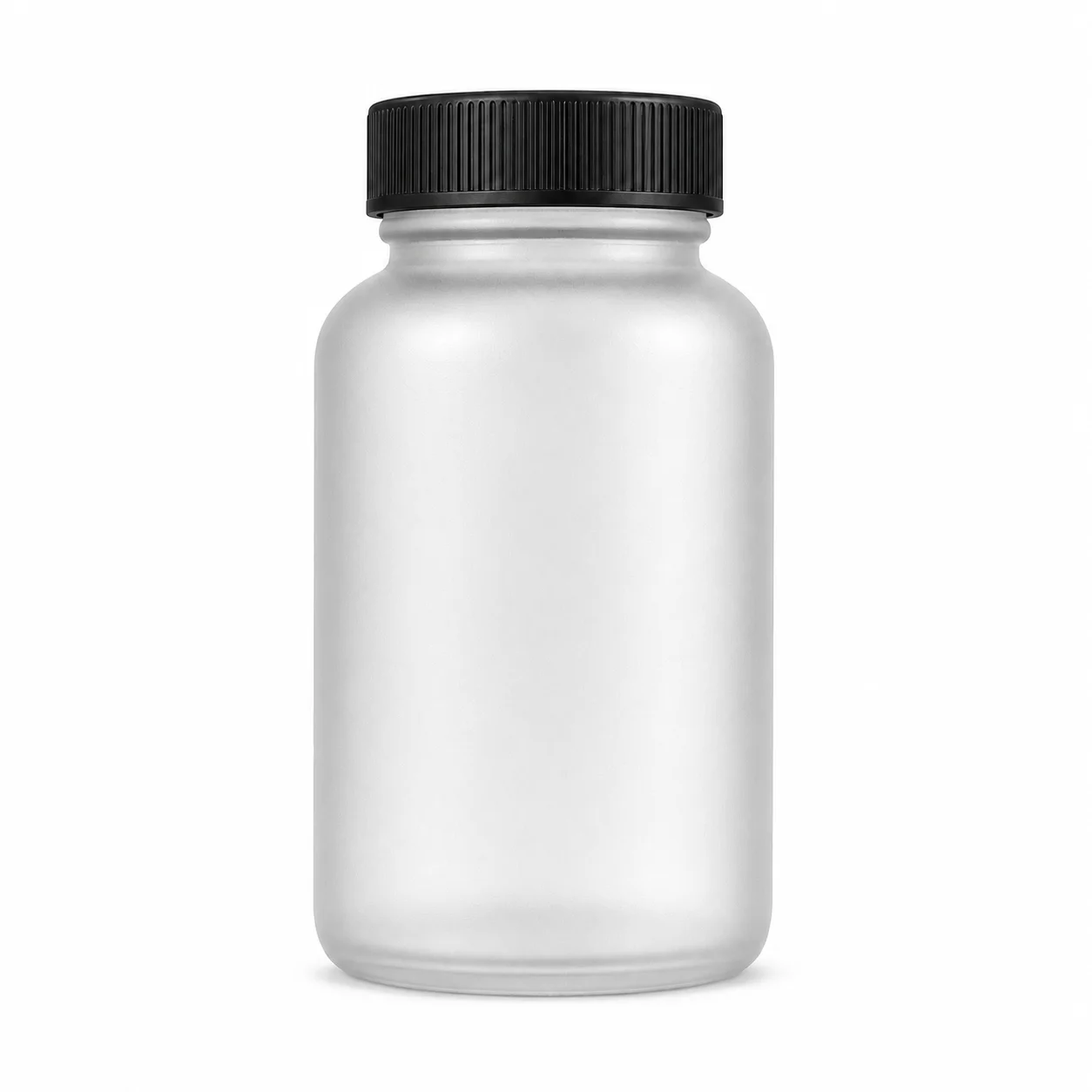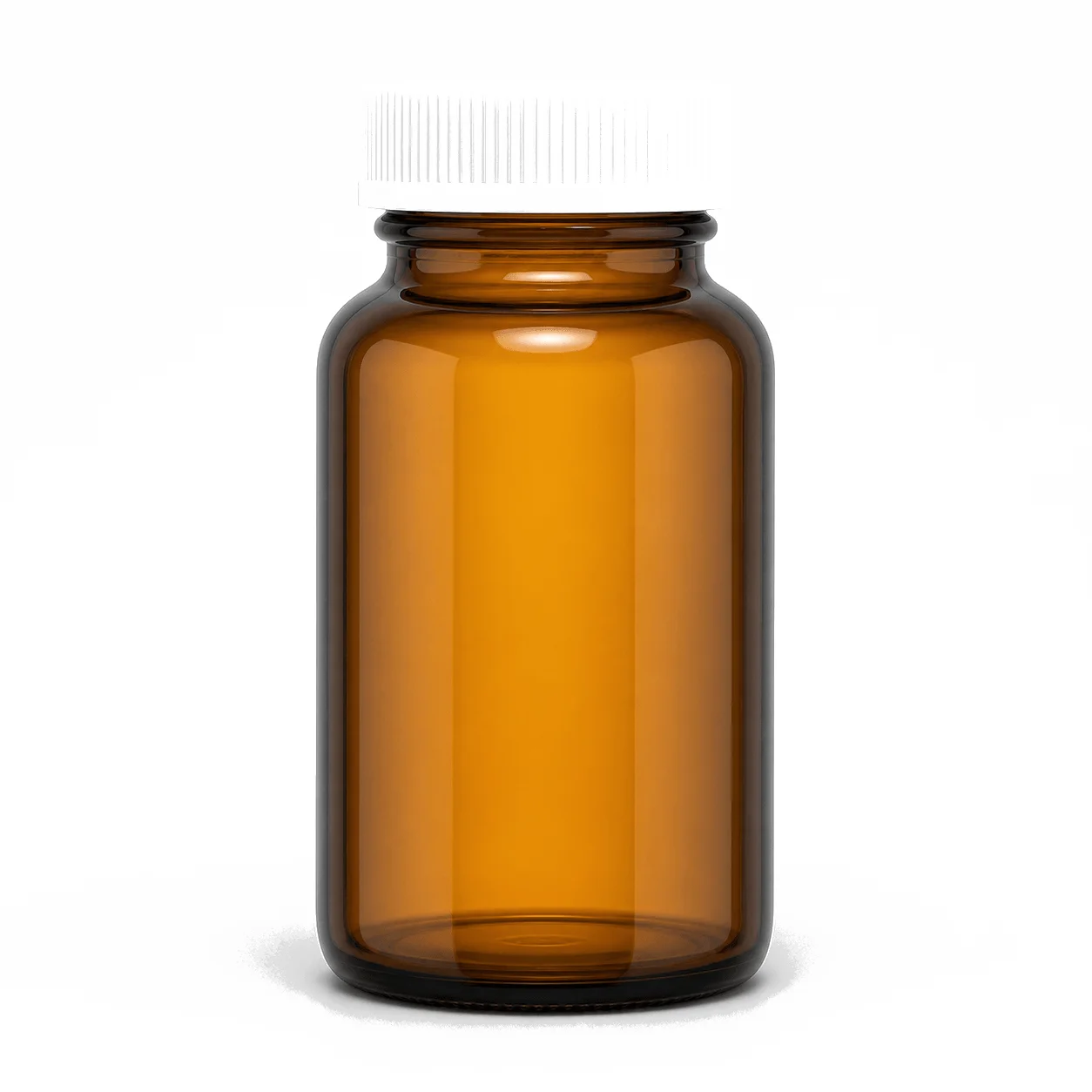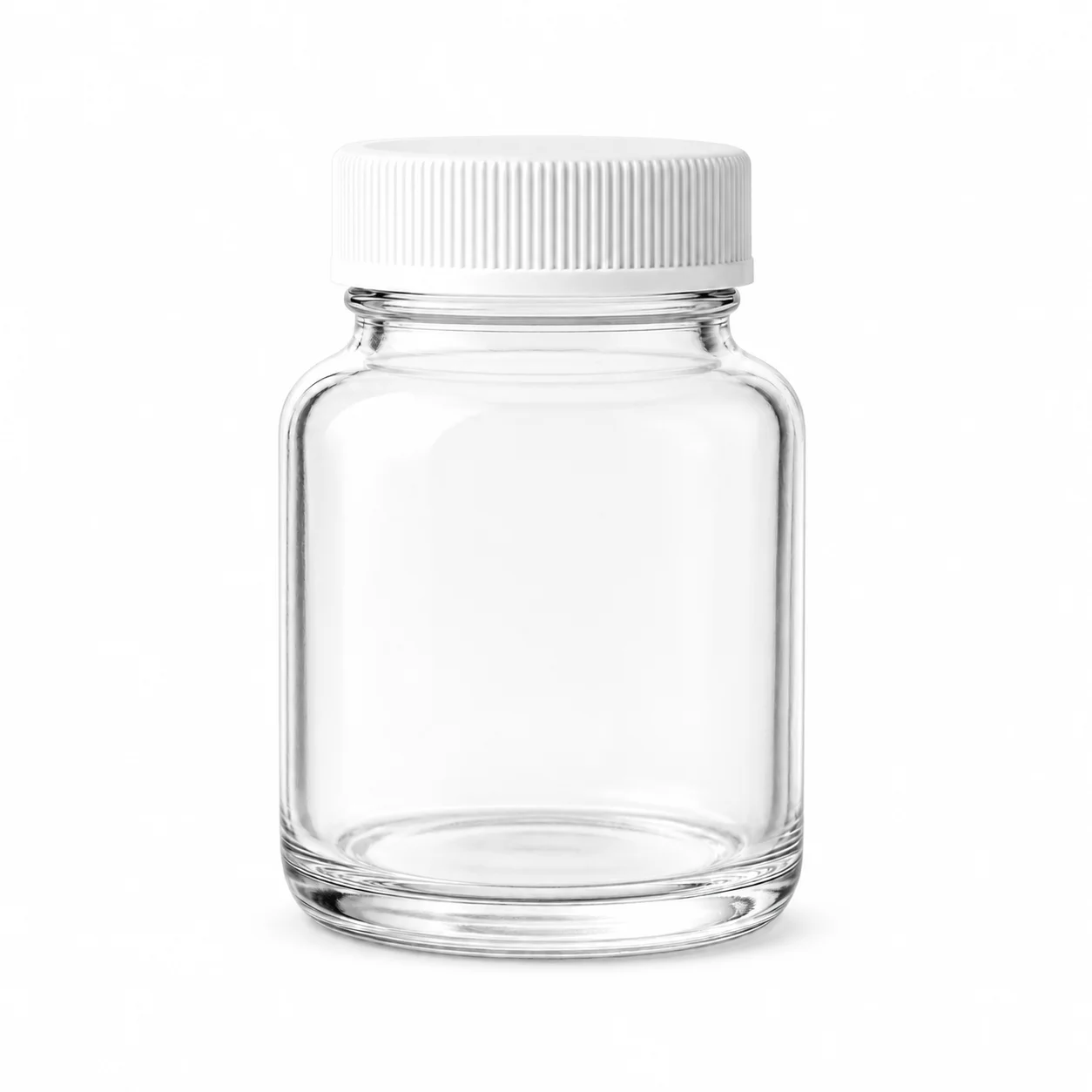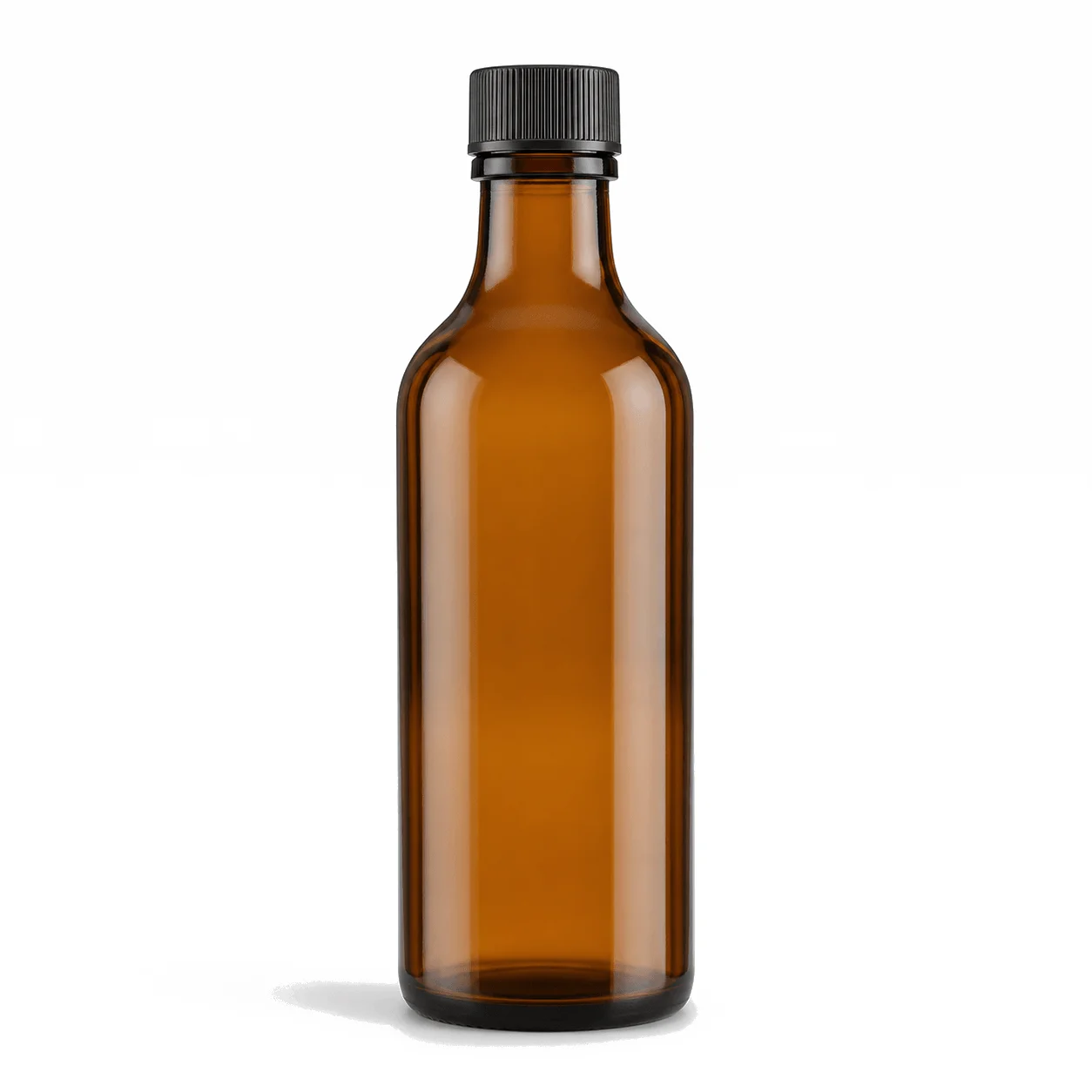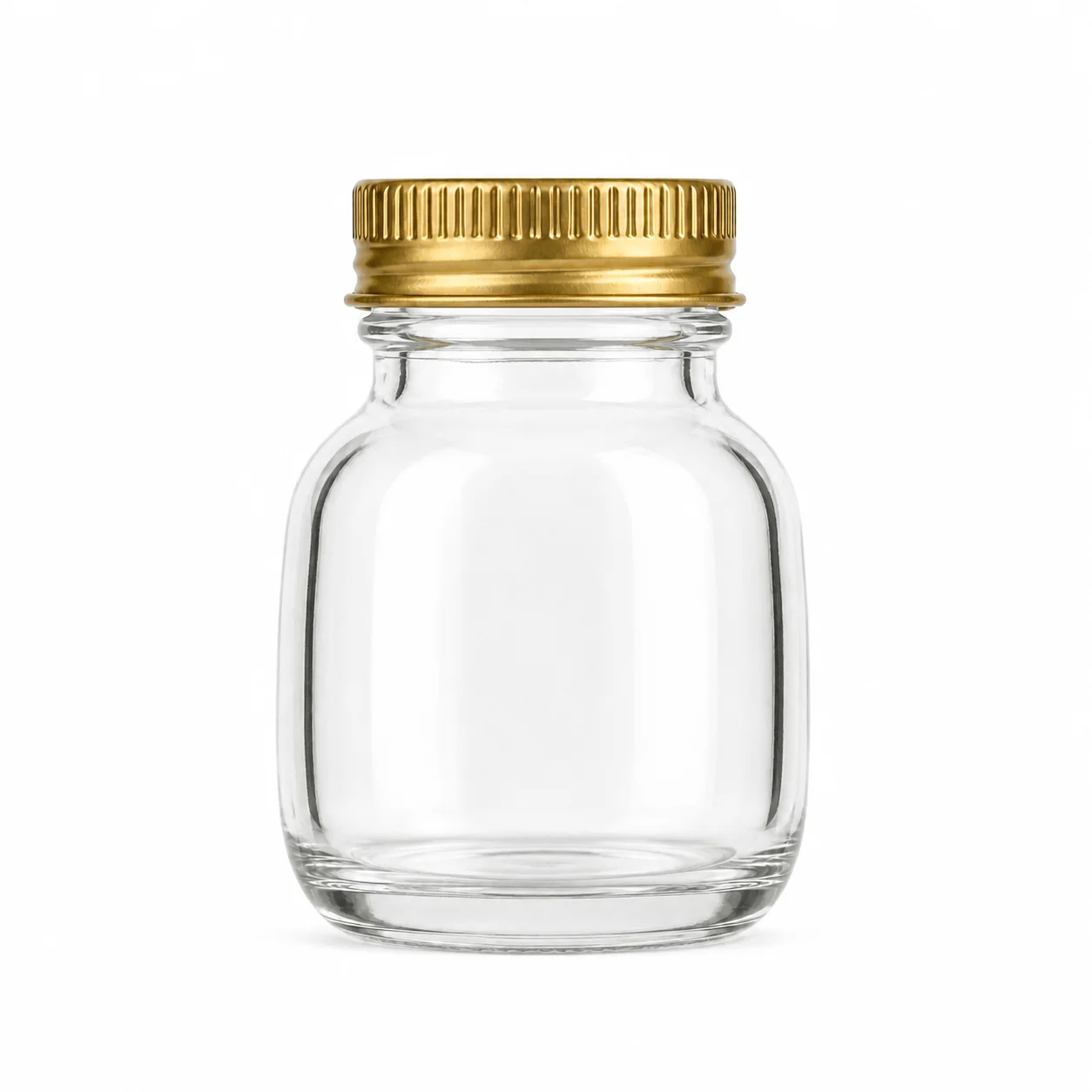
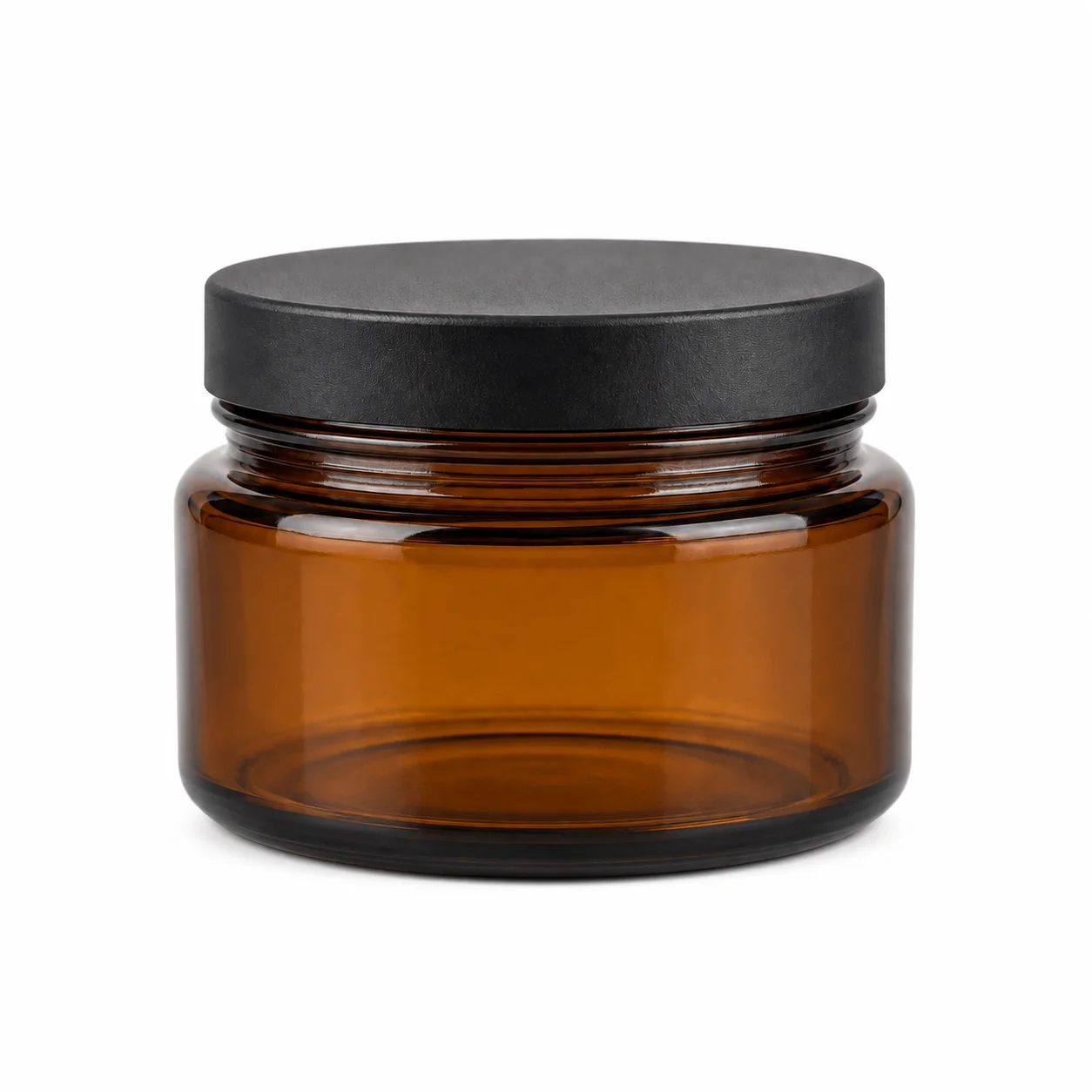
Amber wide-mouth jar with a broad shoulder and a gold metallic lid
Shown configuration · jar with lid / paste, liner and label not shown

Traditional & herbal preparations

Herbal Paste Jar

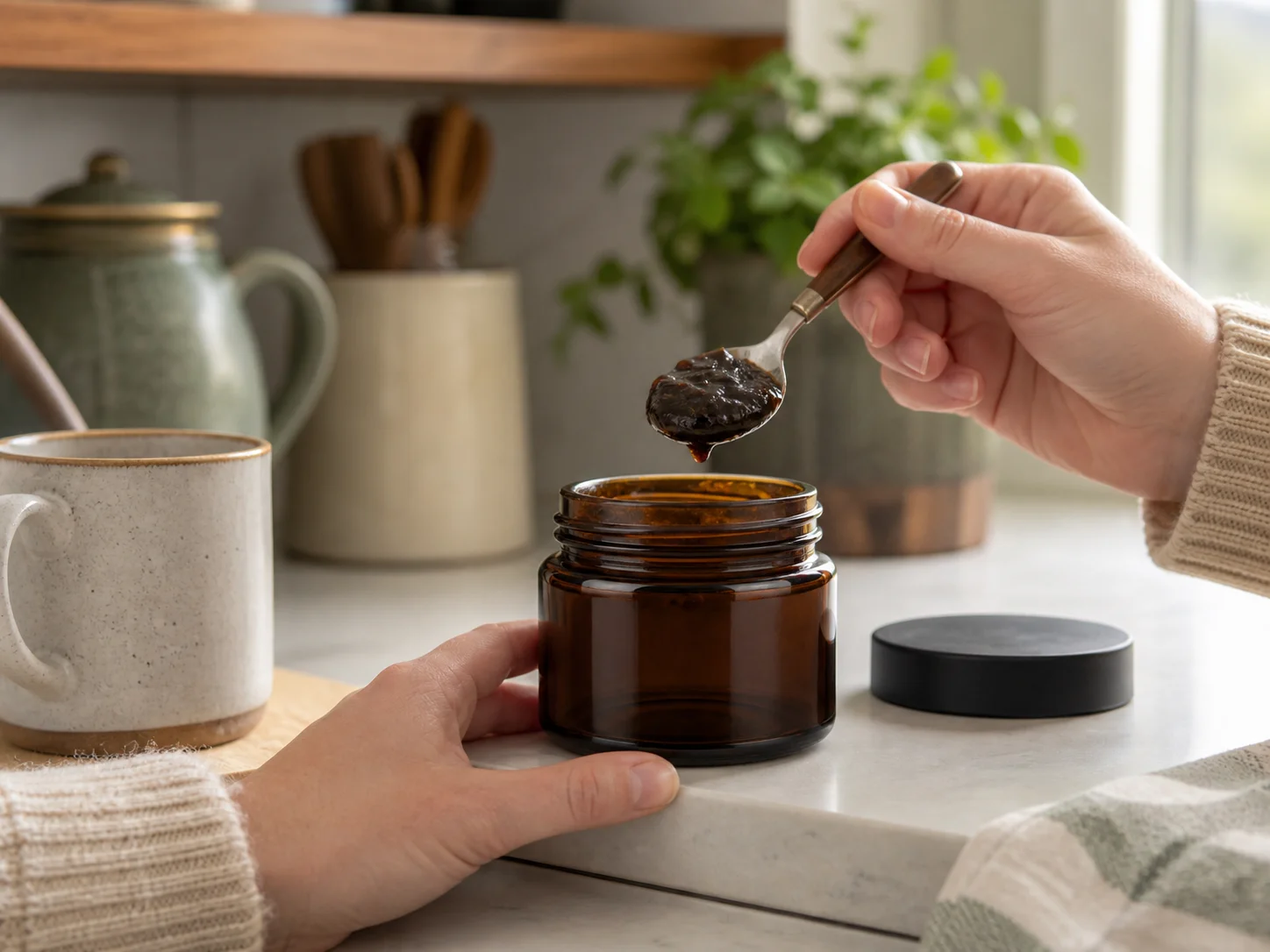
A jar for herbal pastes and decoction concentrates — thick, sugar-rich preparations spooned out daily and dissolved in hot water rather than swallowed neat.

Spooned, then dissolvedHigh-sugar, high-viscositySealed for a season's course
Stock status
In stock
Lead time
2–3 weeks
FOB price / pc
$0.50 - $0.85
MOQ
5,000 pcs

Final availability, dimensions, materials, assembled components and commercial terms are confirmed against the selected drawing and approved sample.

A course, not a serving

One jar covers weeks of daily doses

Spoon goes in every day

Contamination risk is user-driven

Sugar draws water

Surface changes as the jar is used

Herbal Paste Jar profile

A jar opened every morning for a month, with a spoon that has been somewhere else.

In-use contamination, sugar behavior & retrieval

Five things that happen to a paste jar over a month of use.

Herbal pastes are concentrated preparations taken daily over weeks. The jar is opened, a spoonful is taken, and it is closed again — often by someone who has just used the same spoon for something else. The container's real work happens across that repeated cycle rather than in the sealed period before it.

01

The spoon is the main contamination route

Whatever enters the jar comes in on a spoon, and a wet or previously used one introduces both water and organisms into a preparation whose preservation relies on being concentrated. A wide mouth that allows a clean utensil in and out without touching the rim helps; a label instruction to use a dry spoon does the rest.

02

Sugar concentration is the preservation, and it is fragile

These preparations resist spoilage because their sugar content ties up water. Add a little water on a spoon, or let condensation form under a lid in a warm kitchen, and the diluted surface layer becomes hospitable. The visible result is mold on the top of an otherwise sound jar, which customers reasonably read as a quality failure.

03

Retrieval geometry decides how much is wasted

A thick paste does not flow to the middle. A straight-sided jar with a generous mouth and no internal shoulder can be scraped out completely; one with a narrowed neck holds a ring of product a spoon cannot reach. On a preparation made from expensive botanicals, that ring is a real proportion of the value.

04

Hot water dissolution shapes the dose

The customer stirs a spoonful into hot water, so dose consistency depends on how reproducibly a spoonful can be taken. A paste that stiffens in cold storage gives a smaller spoonful than one at room temperature. Where dosing matters, the label says how to store the jar and what a dose actually is in weight rather than in spoons.

05

The lid is handled with sticky hands

A daily-use paste jar is opened by someone who has just handled the product, so the closure gets sticky and then attracts dust. A smooth, easily wiped lid and a rim that does not trap residue keep the jar presentable across a course, which matters for a product bought partly on its appearance of care.

06

A wide shoulder radius is what makes the jar emptiable

Thick pastes bridge across a sharp internal corner and stay there, so the customer sees product they paid for and cannot reach. Generous radii from wall to base, and a mouth as wide as the body, are what let a spatula clear the jar, and they cost nothing if they are designed in.
Application guide

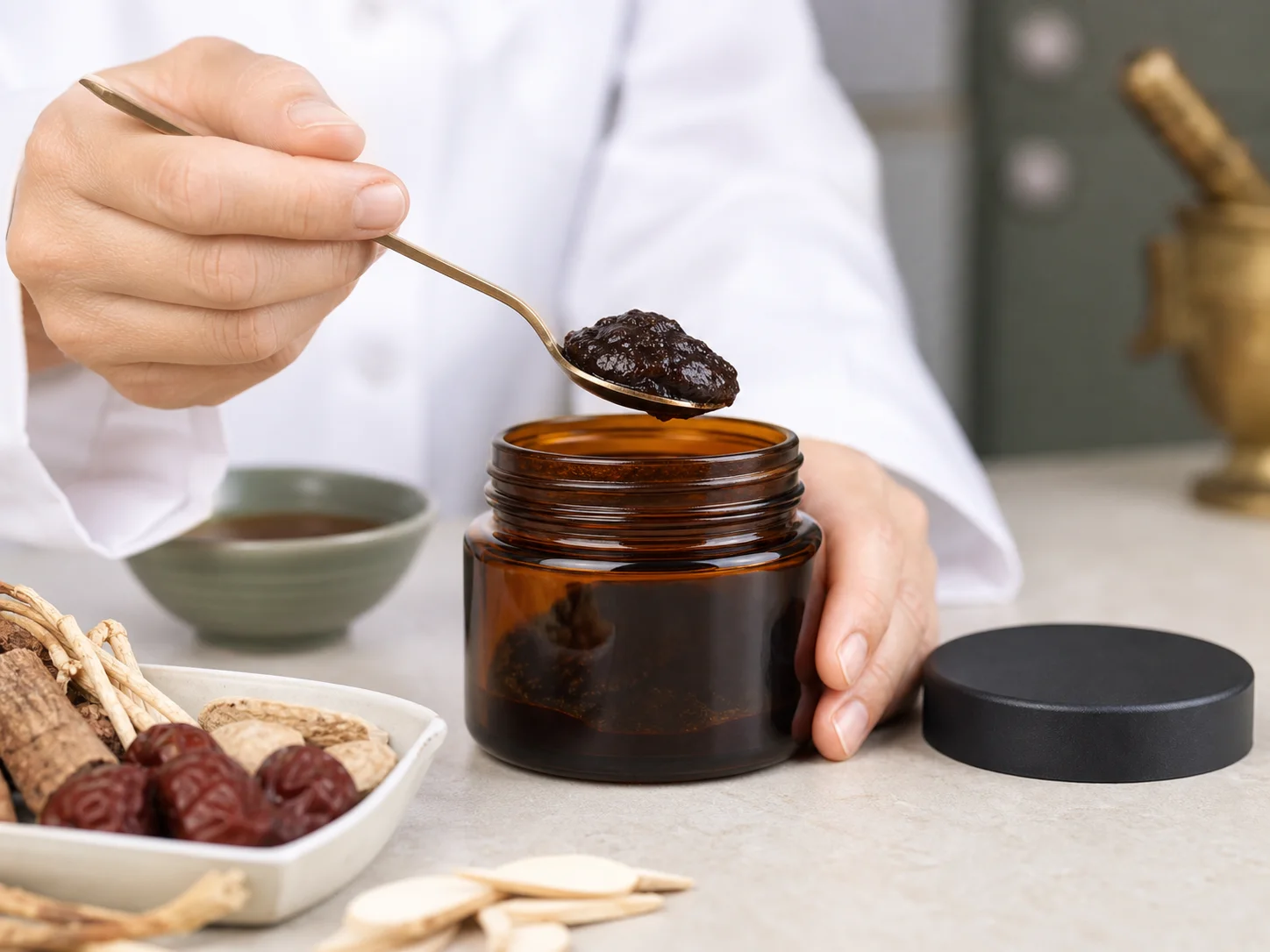
Thick paste is spooned out, not poured.

Herbal pastes and concentrated preparations are too viscous to pour and too sticky to handle casually, so the jar has to open wide, empty completely and reseal against residue. These are development directions confirmed with the actual paste.

Herbal Paste Jar used for pastes taken by the spoonful in a traditional preparations setting

Traditional preparations

Pastes taken by the spoonful

For preparations a customer measures with a spoon, often daily over several weeks. The mouth has to admit a spoon at any fill level, and the shoulder has to be shallow enough that the last portion can be reached rather than left clinging where nothing can get to it.

  • Confirm a spoon reaches the base
  • Keep the shoulder shallow
  • Size the fill to the course length
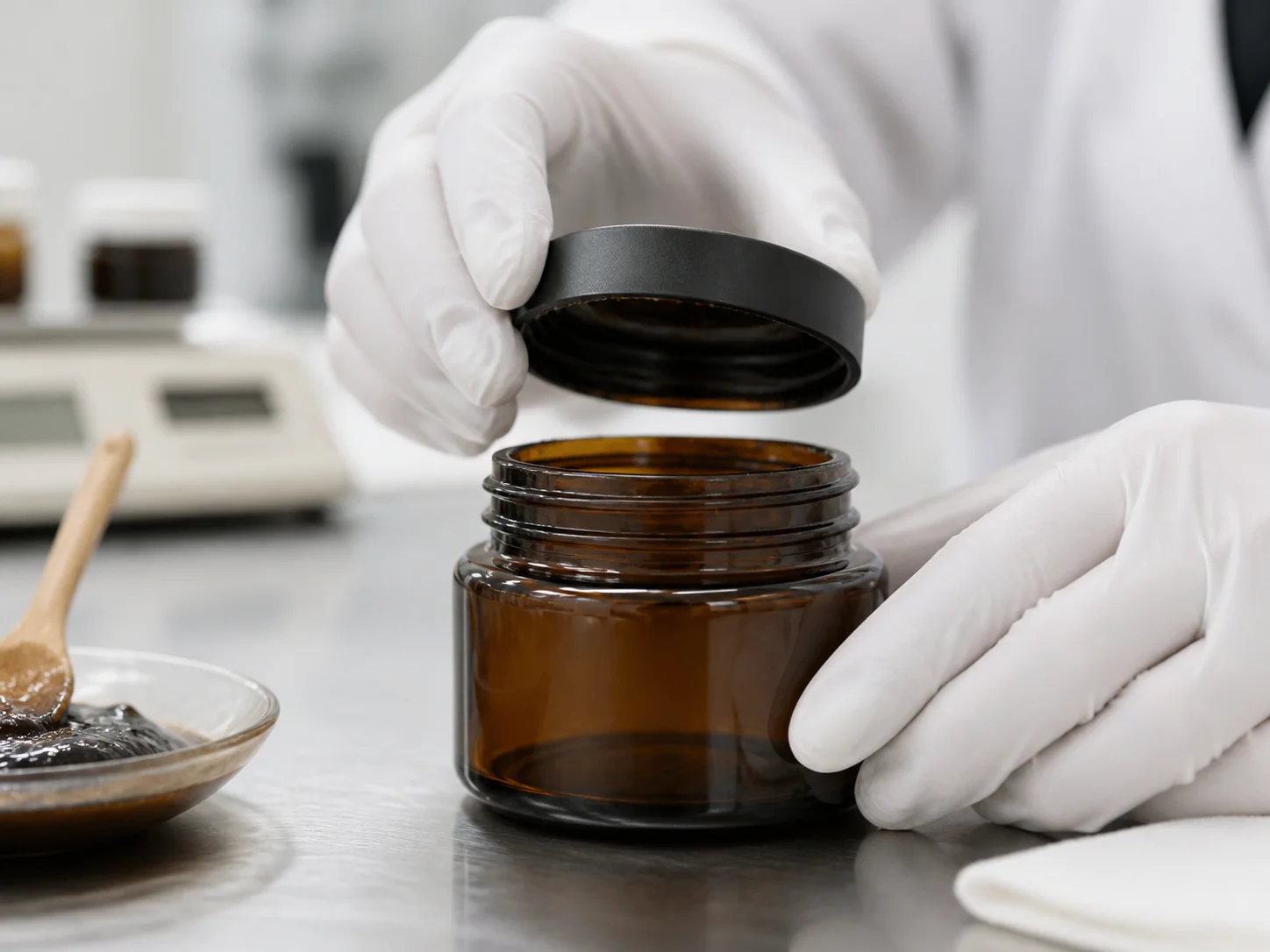
Herbal Paste Jar used for sealing a jar with residue on the rim in a sticky reclosure setting

Sticky reclosure

Sealing a jar with residue on the rim

Viscous product transfers onto the rim and thread every time the jar is opened, and dried residue is what makes a cap seize or a seal fail. Whether an inner seal is used, and how the rim clears, decide whether the jar is still usable in week three.

  • Test reclosure with residue present
  • Consider an inner seal membrane
  • Confirm the rim wipes clean
Herbal Paste Jar used for a jar spooned from over several months in a kitchen shelves setting

Kitchen shelves

A jar spooned from over several months

For herbal pastes a household keeps beside the tea and opens a few times a week through a winter. Botanical concentrates darken and lose potency in light over that kind of period, which is why amber is common here, though what it is worth for one preparation comes from stability work rather than habit.

  • Establish light sensitivity from data
  • Run stability in the amber jar
  • Confirm the liner suits the paste

Applications describe packaging-development directions. Herbal claims, protection, sealing, hygiene and regulatory outcomes are confirmed for the selected program.

Common questions

Herbal Paste Jar questions

The month after opening is what this jar is designed for.

Why does mold appear on the surface of a sound jar?

Because the surface layer got diluted. These preparations resist spoilage by tying up water in sugar, so a little water introduced on a wet spoon, or condensation forming under the lid in a warm kitchen, makes the top layer hospitable while the bulk remains fine. Customers read it as a quality failure, and it is really a use-condition one.

How do we reduce contamination from the spoon?

By making a clean retrieval easy and saying so on the label. A mouth wide enough for a utensil to go in and out without touching the rim, plus an instruction to use a dry spoon, addresses most of it. Everything entering the jar arrives on that spoon, so it is the route worth designing around.

Does storage temperature affect the dose?

Yes, through consistency. A paste stiffened by cold storage gives a smaller spoonful than the same product at room temperature, so a dose measured in spoons drifts with the season and the kitchen. Where dosing matters, state the storage condition and express the dose by weight rather than by spoonful.

Why specify a wipeable lid?

Because it is opened by someone who has just handled a sticky product, so residue on the lid and rim is inevitable and then attracts dust. A smooth lid and a rim that does not trap product keep the jar presentable through a course, which matters for a product bought partly on how carefully it appears to have been made.

What makes a paste jar emptiable?

A generous shoulder radius. Thick paste sits in a tight internal corner where a spoon cannot follow, so the curve between wall and shoulder decides how much of an expensive product the customer can actually reach.

Next step

Send us the Herbal Paste Jar brief.

Tell us the product, fill volume, closure preference and destination market. We will come back with the matching drawings, available configurations and a sample plan before anything is quoted.

  • 01Send the briefProduct, volume, closure and market
  • 02Get the optionsMatching drawings and configurations
  • 03Approve the sampleConfirm the pack before production