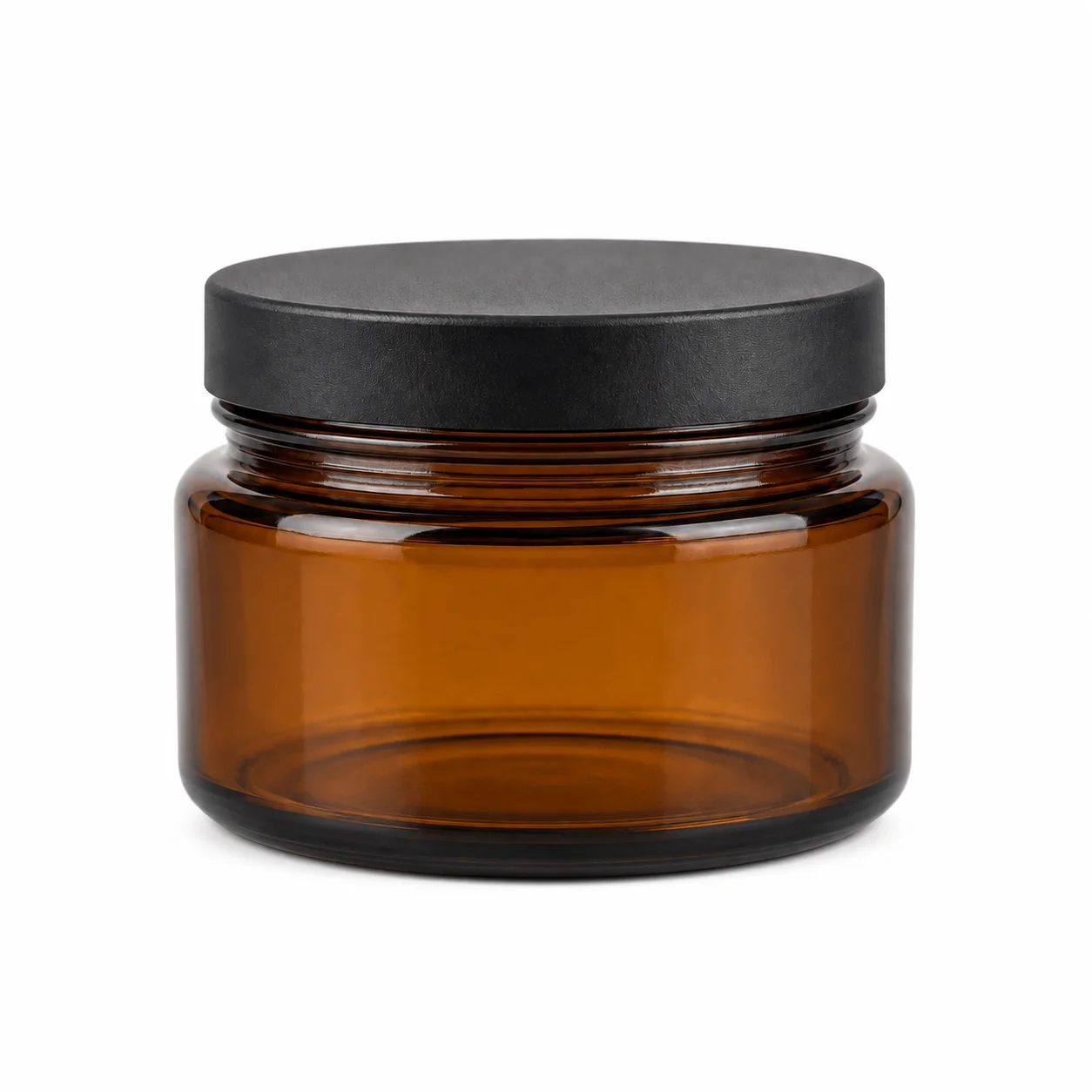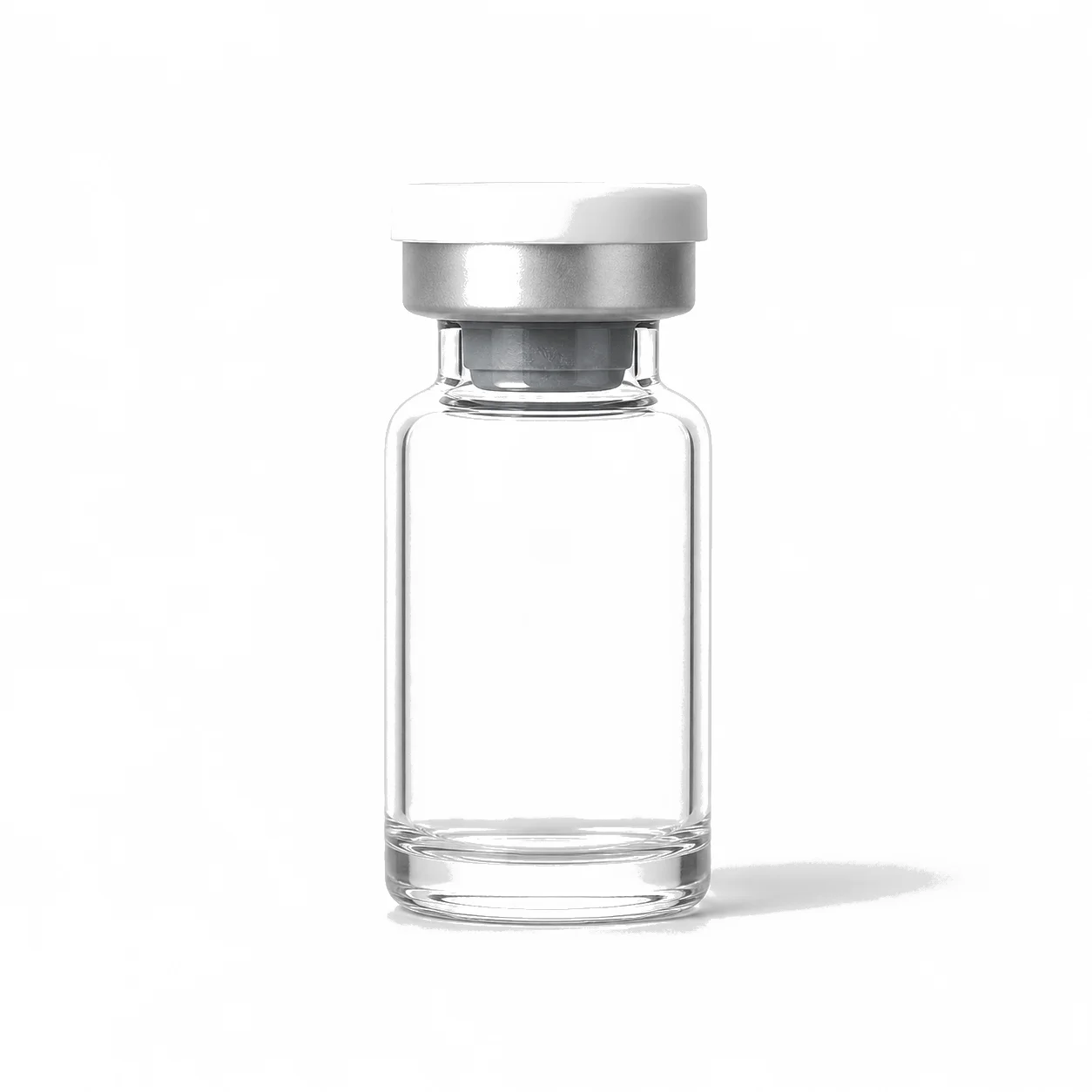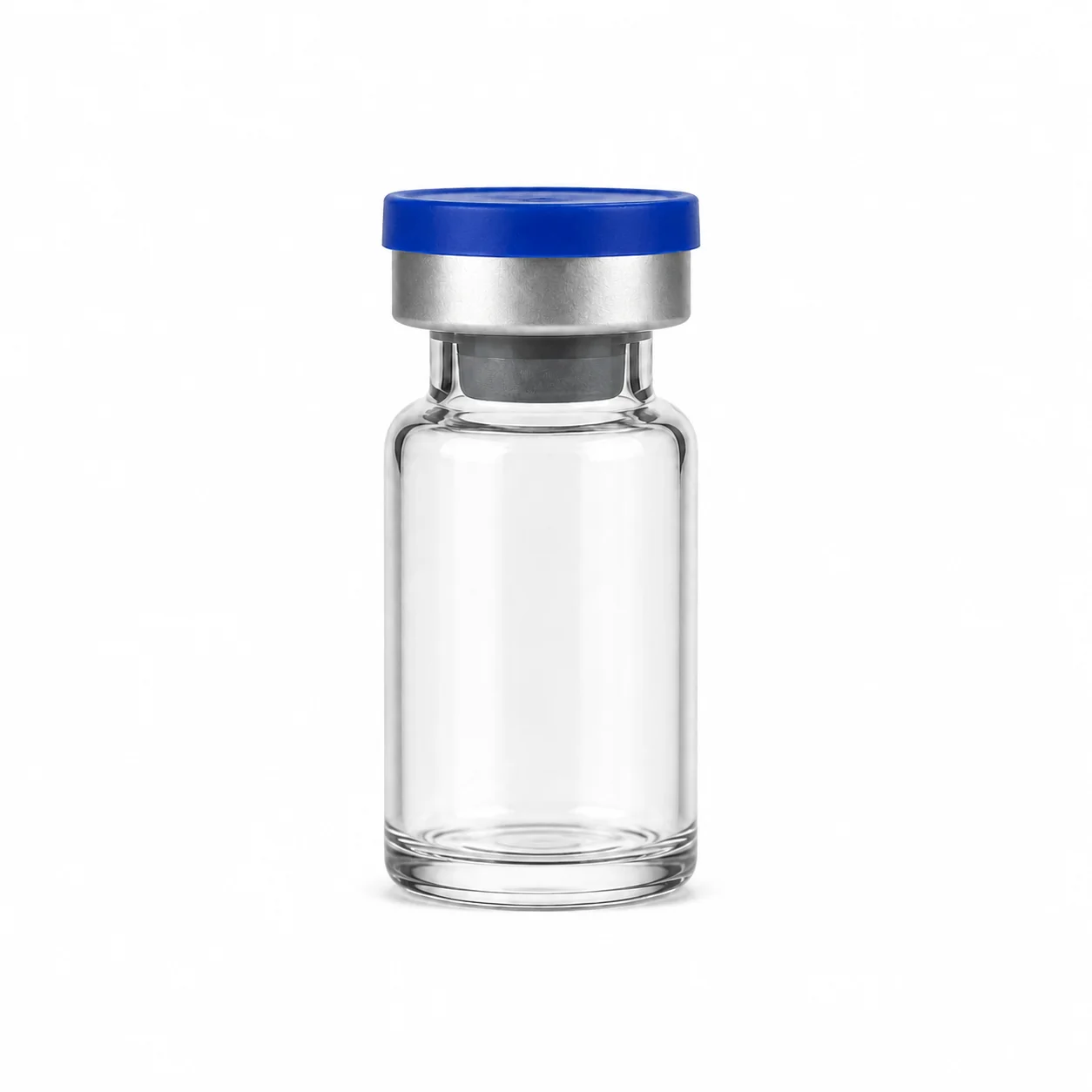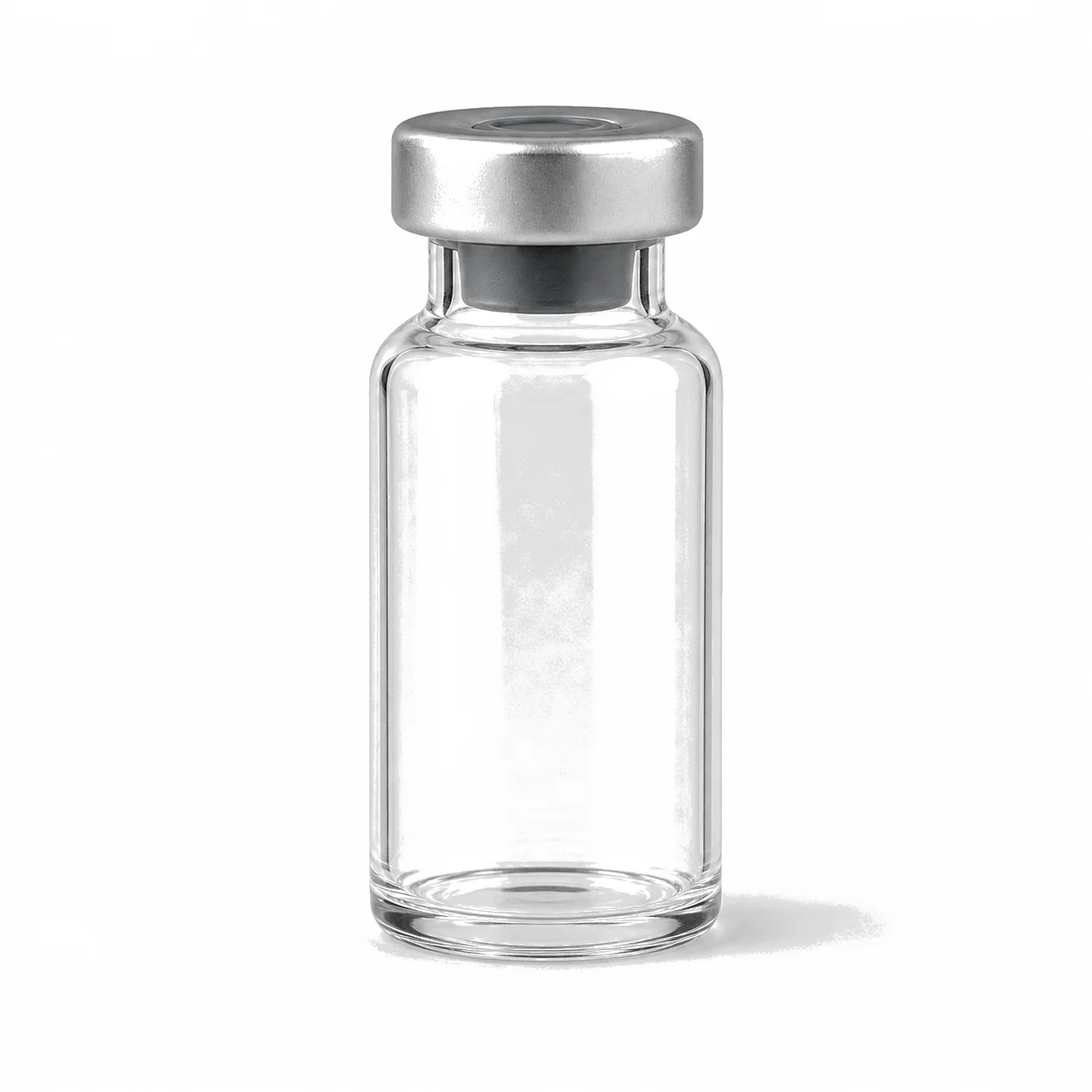
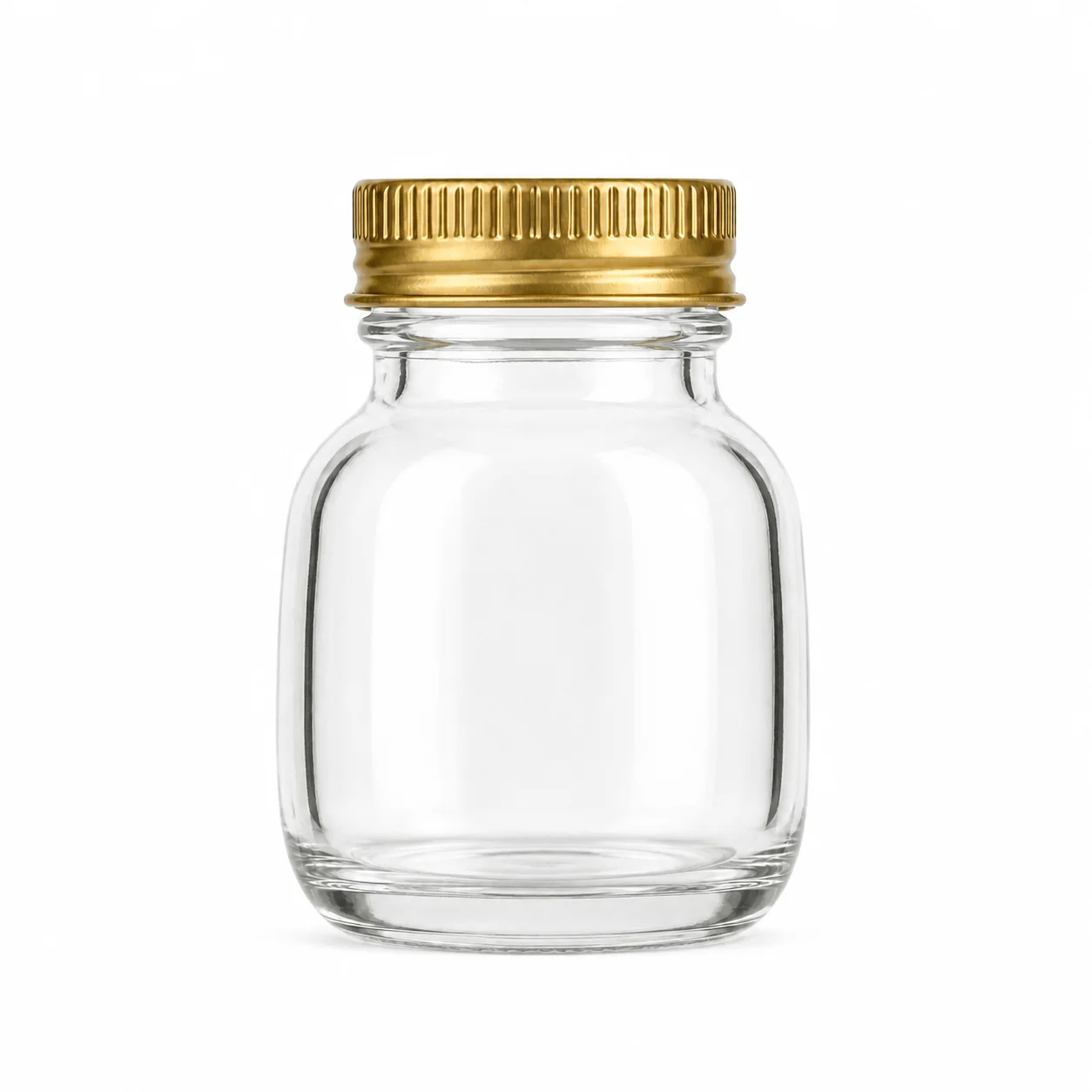
Small amber wide-mouth jar with a black ribbed closure
Shown configuration · jar with closure / royal jelly, liner and label not shown

Apiary & natural products

Royal Jelly Bottle

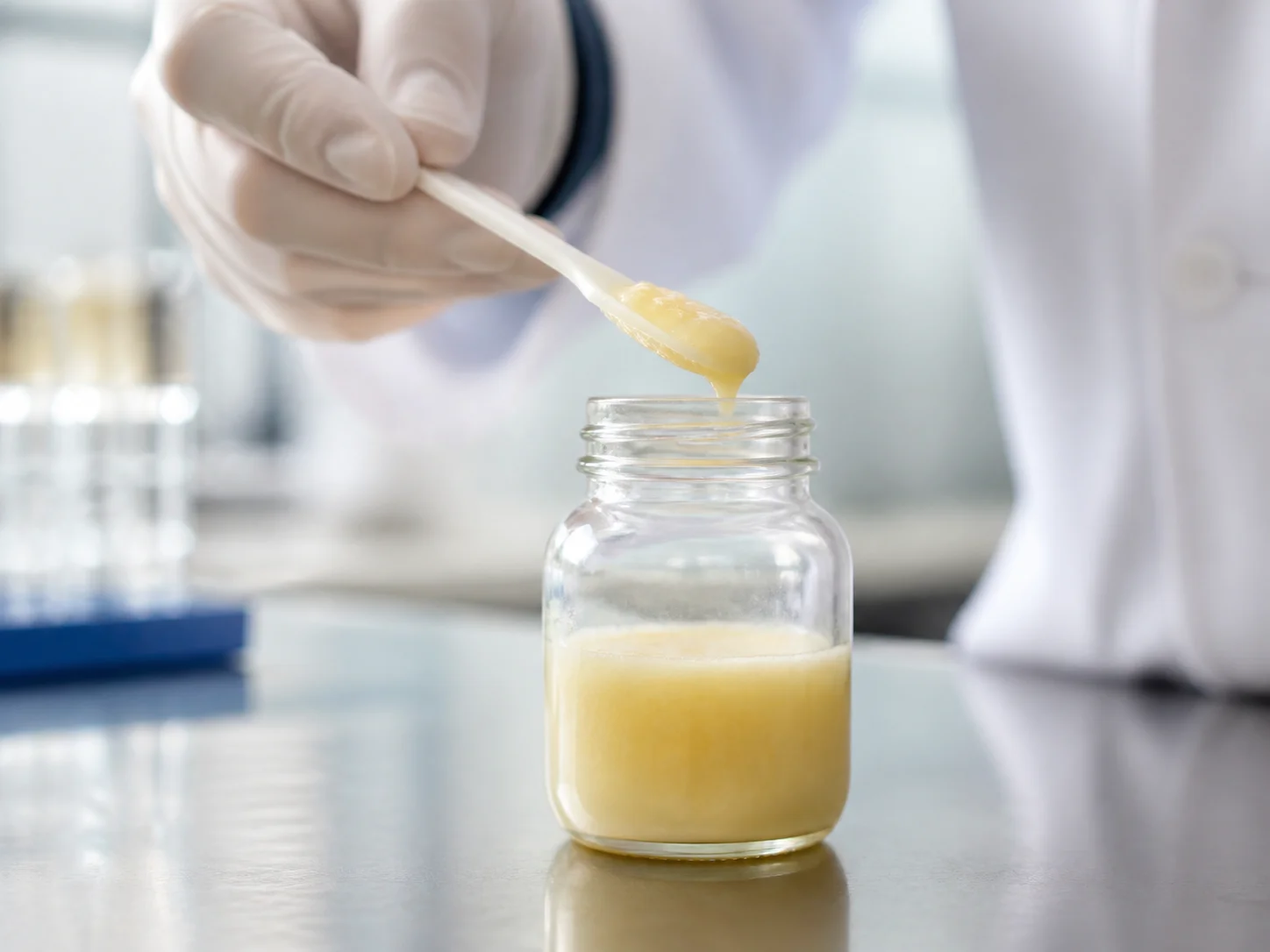
A wide-mouth jar for fresh royal jelly, which is stored frozen or chilled, spooned rather than poured, and loses activity when it warms or meets light.

Chilled or frozen storageSpooned from a wide mouthSmall fills, high value
Stock status
In stock
Lead time
2–3 weeks
FOB price / pc
$0.60 - $1.05
MOQ
2,000 pcs

Final availability, dimensions, materials, assembled components and commercial terms are confirmed against the selected drawing and approved sample.

Cold is the preservation

The pack has to survive a freezer

Wide mouth for a spatula

Viscous, sticky, not pourable

Grams, not milliliters

Sold by weight at high value

Royal Jelly Bottle profile

A container that spends most of its life below freezing.

Cold chain, retrieval & value per gram

Five requirements that come from a frozen, high-value, sticky product.

Fresh royal jelly is a thick, acidic, perishable secretion sold in small quantities at high value and kept cold from harvest to consumption. The packaging problems are therefore the cold chain, a mouth wide enough to take a spatula, and a closure that still seals after being frozen, thawed and returned to a fridge repeatedly.

01

Freezing changes what the closure has to do

Contents expand slightly as they freeze and the closure's elastomer stiffens at the same time, so a liner that seals perfectly on a bench can leak in a freezer and again as the jar thaws. Closure integrity is checked after freeze-thaw cycles rather than at ambient, and headspace is left deliberately for the expansion.

02

It is retrieved with a spatula, so geometry matters

Royal jelly is too viscous to pour and too valuable to leave behind. A wide mouth, a straight wall and a base without a sharp internal corner let a customer recover essentially all of it with a small spoon. A shoulder that narrows above the body traps product that is worth more per gram than most of the pack.

03

Light and warmth degrade the active components

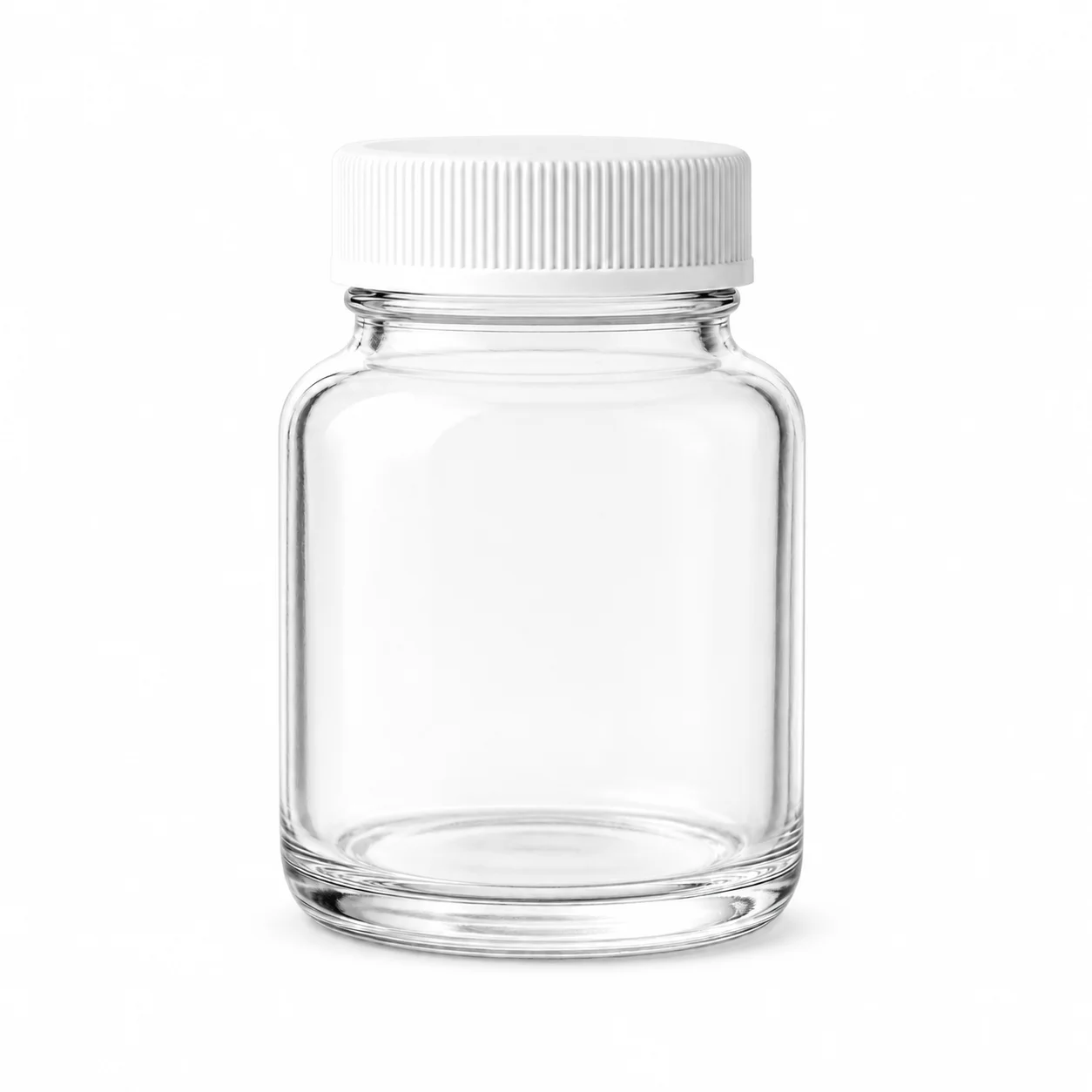
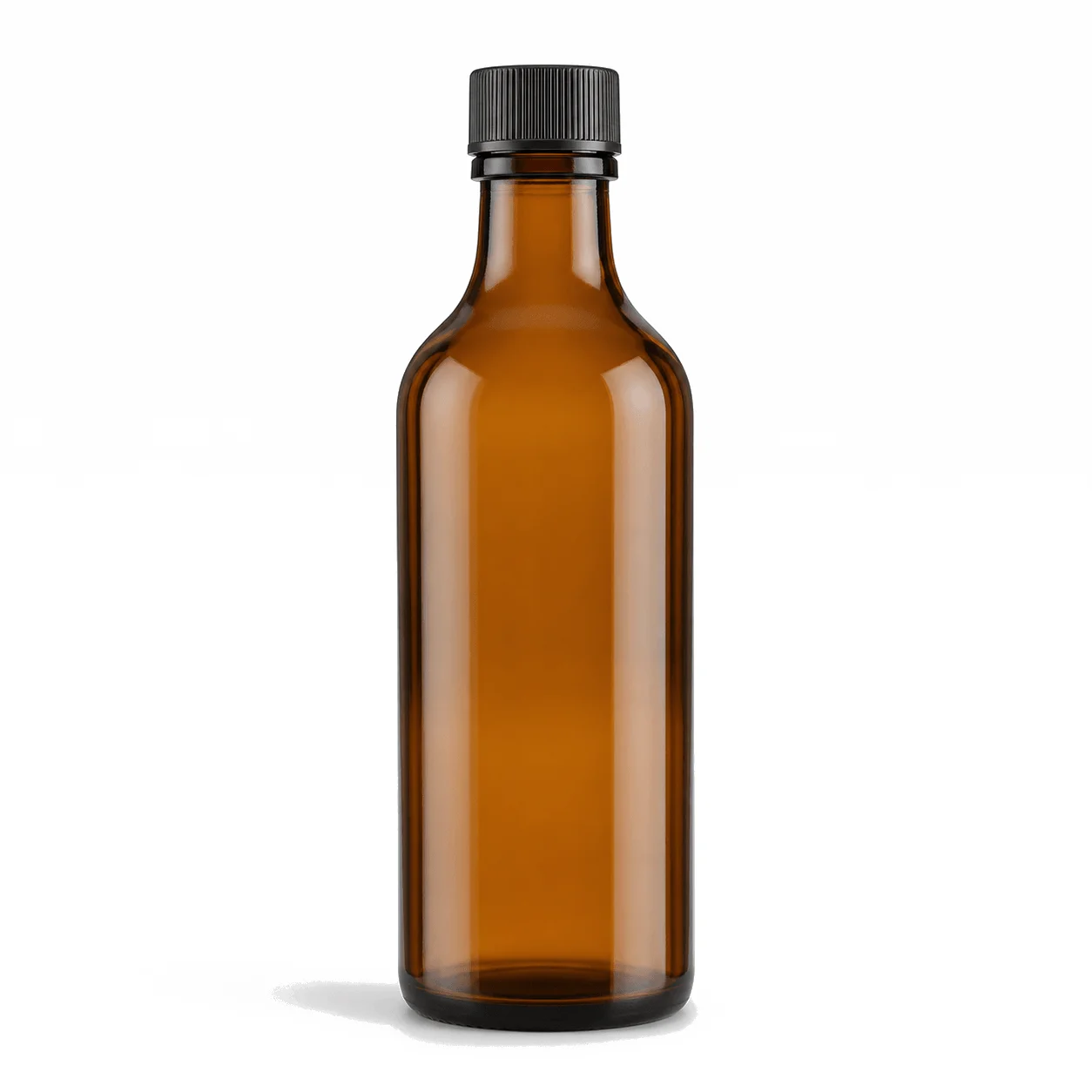
The characteristic compounds in royal jelly degrade with heat and light exposure, which is why the product is sold chilled and usually in amber or opaque containers. That combination costs the customer visibility of a product whose appearance they may want to judge, so a small clear window or a sample photograph on the label does useful work.

04

Small fills make every gram of residue expensive

A typical jar holds tens of grams of a product priced by the gram. Residue clinging to a liner, a thread or an awkward shoulder is real money on every unit, and it compounds across a production run. This is one of the few categories where jar geometry can be justified on recovered product alone.

05

The label lives through condensation, repeatedly

A jar moved between freezer, fridge and kitchen wets every time it comes out. Paper labels lift and inks run under that cycle, and a high-value natural product with a damaged label looks like a poorly kept one. Label stock and adhesive are specified against freeze-thaw condensation rather than against shelf storage.

06

A frozen fill expands, and the pack has to allow for it

Water-rich products gain volume on freezing, and a jar filled to the shoulder will lift its closure or crack at the heel. Headspace for expansion, generous internal radii and a closure that can accommodate the movement are specified from the start where cold chain includes freezing.
Application guide

Fresh apiary products are sold on looking untouched.

Royal jelly and comparable fresh bee products are bought on perceived freshness, which clear glass displays and also exposes. They are also cold-chain sensitive in a way most supplements are not. These are development directions confirmed with the actual product.

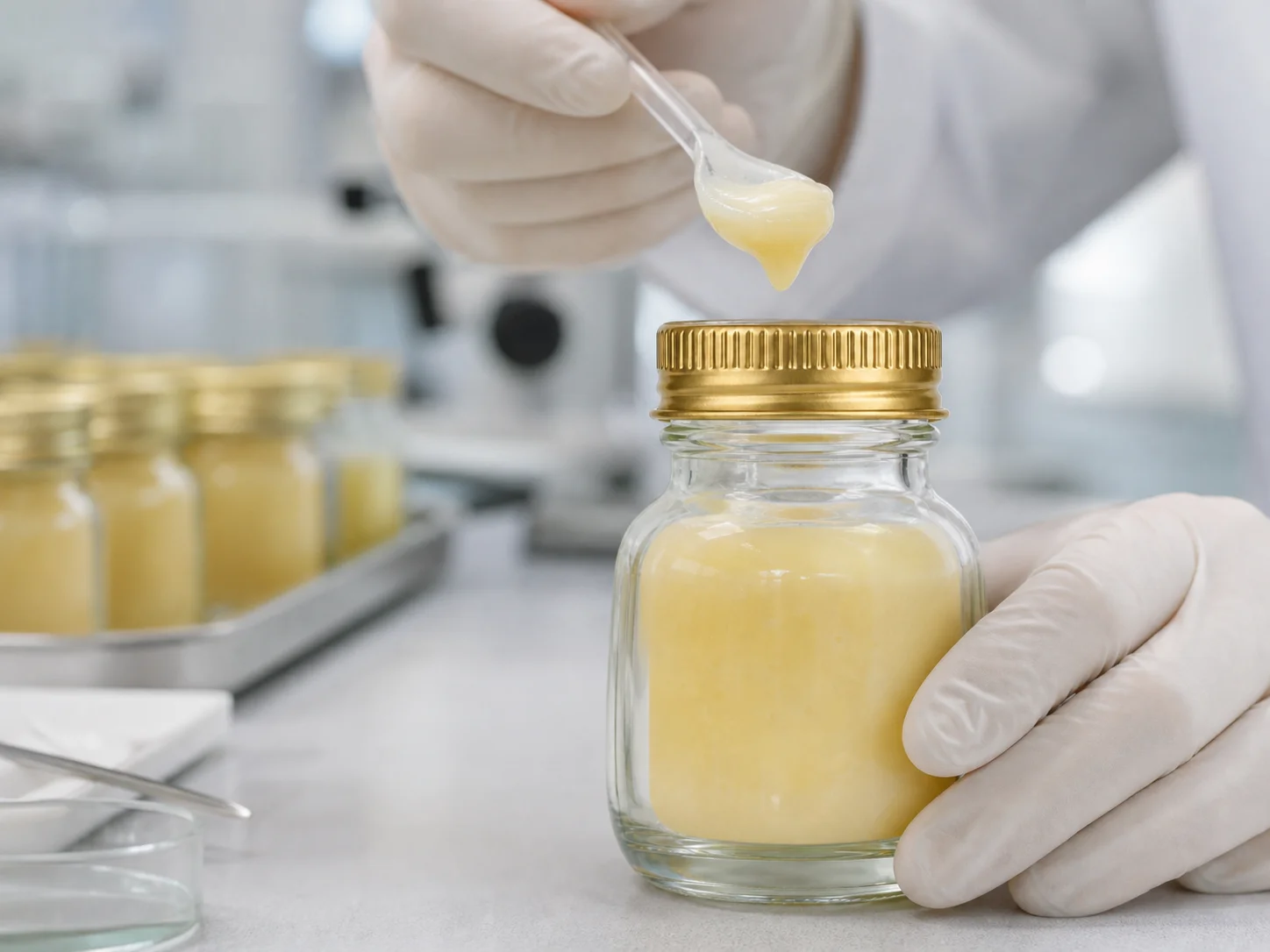
Royal Jelly Bottle used for products judged by their appearance in a fresh apiary products setting

Fresh apiary products

Products judged by their appearance

For products where a customer paying a premium expects to see a pale, uniform contents and reads any separation or color change as spoilage. Clear glass makes that judgment possible, which builds confidence when the product is right and destroys it when anything has shifted.

  • Review appearance across shelf life
  • Confirm color uniformity at fill
  • Decide how variation is explained
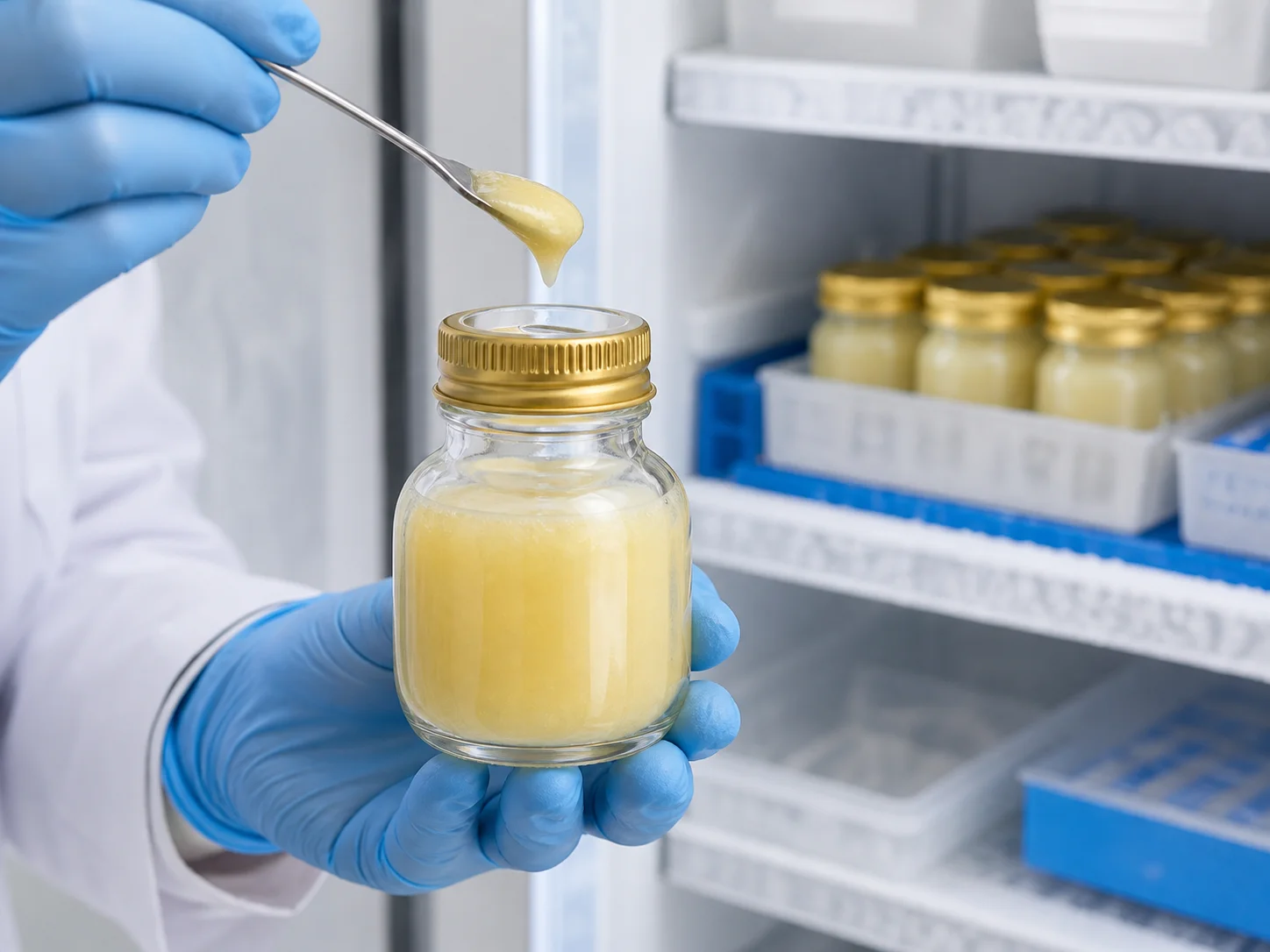
Royal Jelly Bottle used for products stored and shipped chilled in a cold chain setting

Cold chain

Products stored and shipped chilled

Fresh apiary products commonly require refrigeration from production to consumption, and the pack has to survive condensation, cold handling and a break in the chain. Label adhesion under condensation is a routine failure point that only shows up after weeks in a fridge.

  • Test label adhesion under condensation
  • Confirm the closure holds when cold
  • Define the storage route on pack
Royal Jelly Bottle used for gold caps and small fills in a premium positioning setting

Premium positioning

Gold caps and small fills

These products are sold in small quantities at high prices, and the finish of the closure carries much of the perceived value in a bottle a customer holds in one hand. Consistency of the metallic finish across a batch is noticed at this price point.

  • Hold the cap finish consistent
  • Match the fill to a course
  • Confirm the pack justifies the price

Applications describe packaging-development directions. Product claims, freshness, storage, sealing and regulatory outcomes are confirmed for the selected program.

Common questions

Royal Jelly Bottle questions

A frozen, sticky, high-value product asks unusual things of a jar.

Will a normal closure seal in a freezer?

Not reliably. Contents expand slightly as they freeze while the closure elastomer stiffens, so a liner that seals perfectly at bench temperature can leak in a freezer and again during thawing. Verify closure integrity after freeze-thaw cycles rather than at ambient, and leave headspace deliberately for the expansion.

Does amber glass matter here?

Yes, since the characteristic compounds degrade with heat and light, which is why the product is sold cold and in amber or opaque jars. The cost is that customers cannot see a product whose appearance they often want to judge, so label imagery or a small clear panel does real work in restoring confidence.

Why do labels fail on these jars?

Condensation, repeatedly. A jar moving between freezer, fridge and kitchen wets every time it comes out, and paper labels lift and inks run under that cycle. On a high-value natural product a damaged label reads as poor keeping. Specify label stock and adhesive against freeze-thaw condensation rather than against shelf storage.

What does a frozen fill do to the pack?

It expands, and the jar has to allow for it. Freezing increases the volume of a water-rich product, so headspace and closure retention are specified for the frozen state rather than for the filled one. A jar sized to the liquid will fail in the freezer.

Next step

Send us the Royal Jelly Bottle brief.

Tell us the product, fill volume, closure preference and destination market. We will come back with the matching drawings, available configurations and a sample plan before anything is quoted.

  • 01Send the briefProduct, volume, closure and market
  • 02Get the optionsMatching drawings and configurations
  • 03Approve the sampleConfirm the pack before production