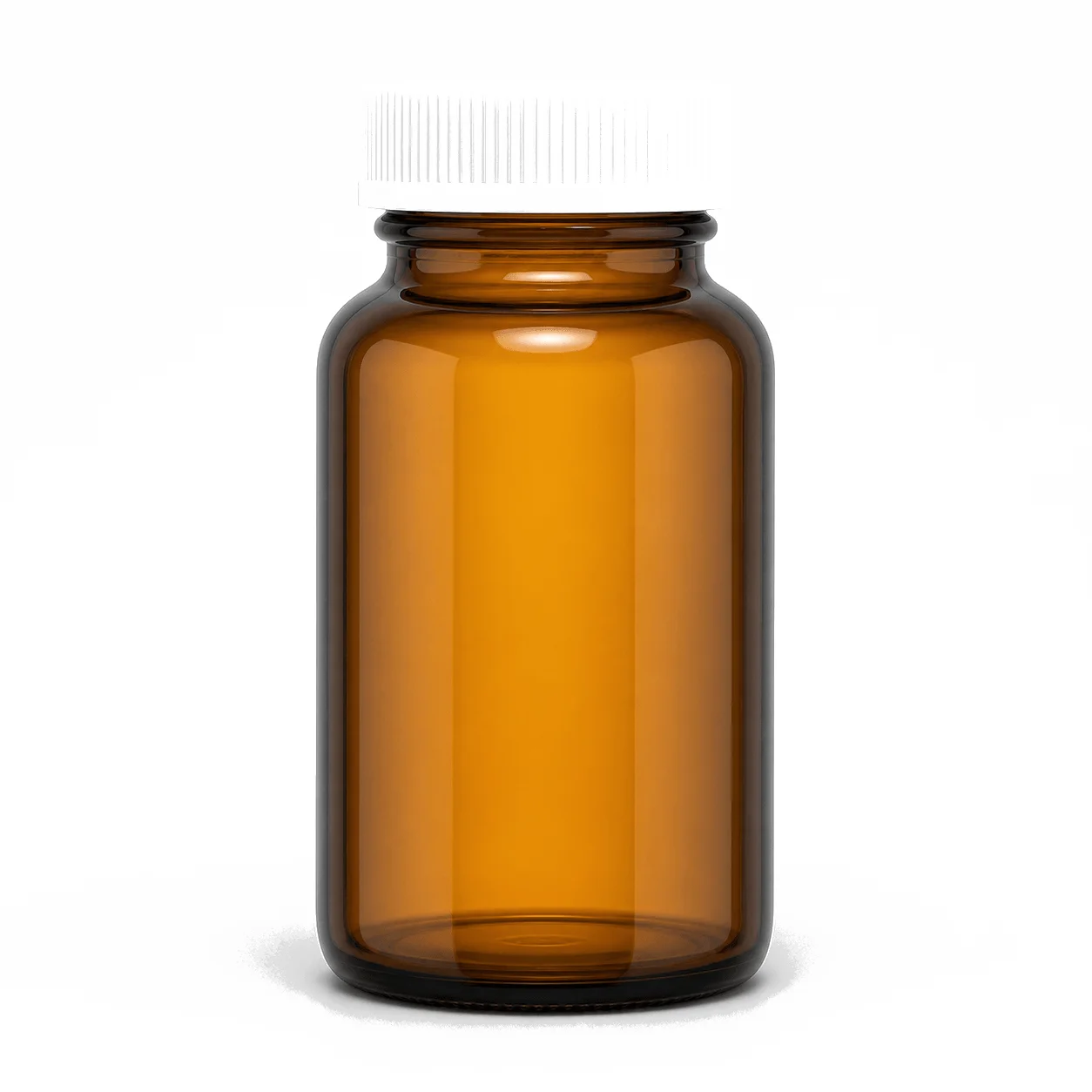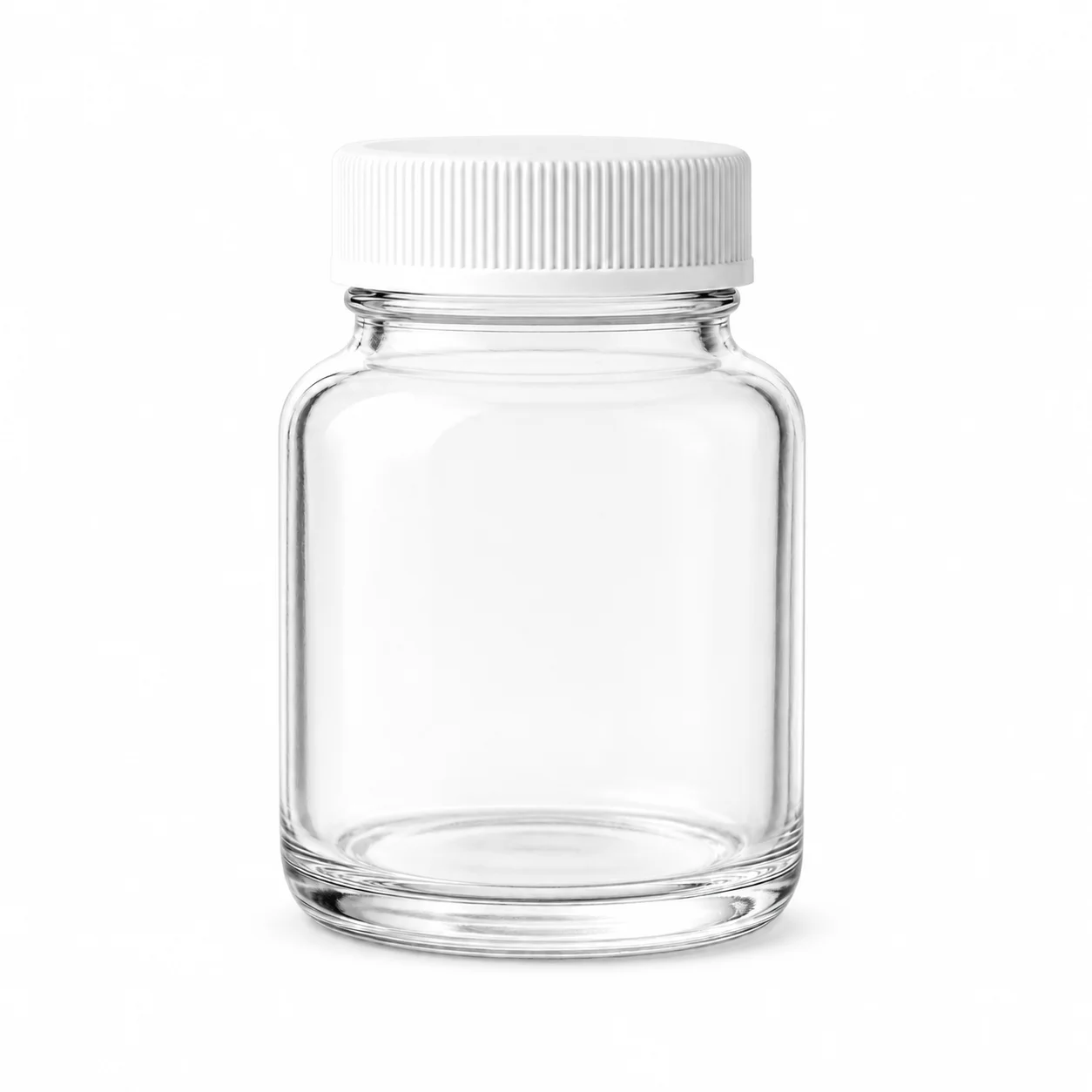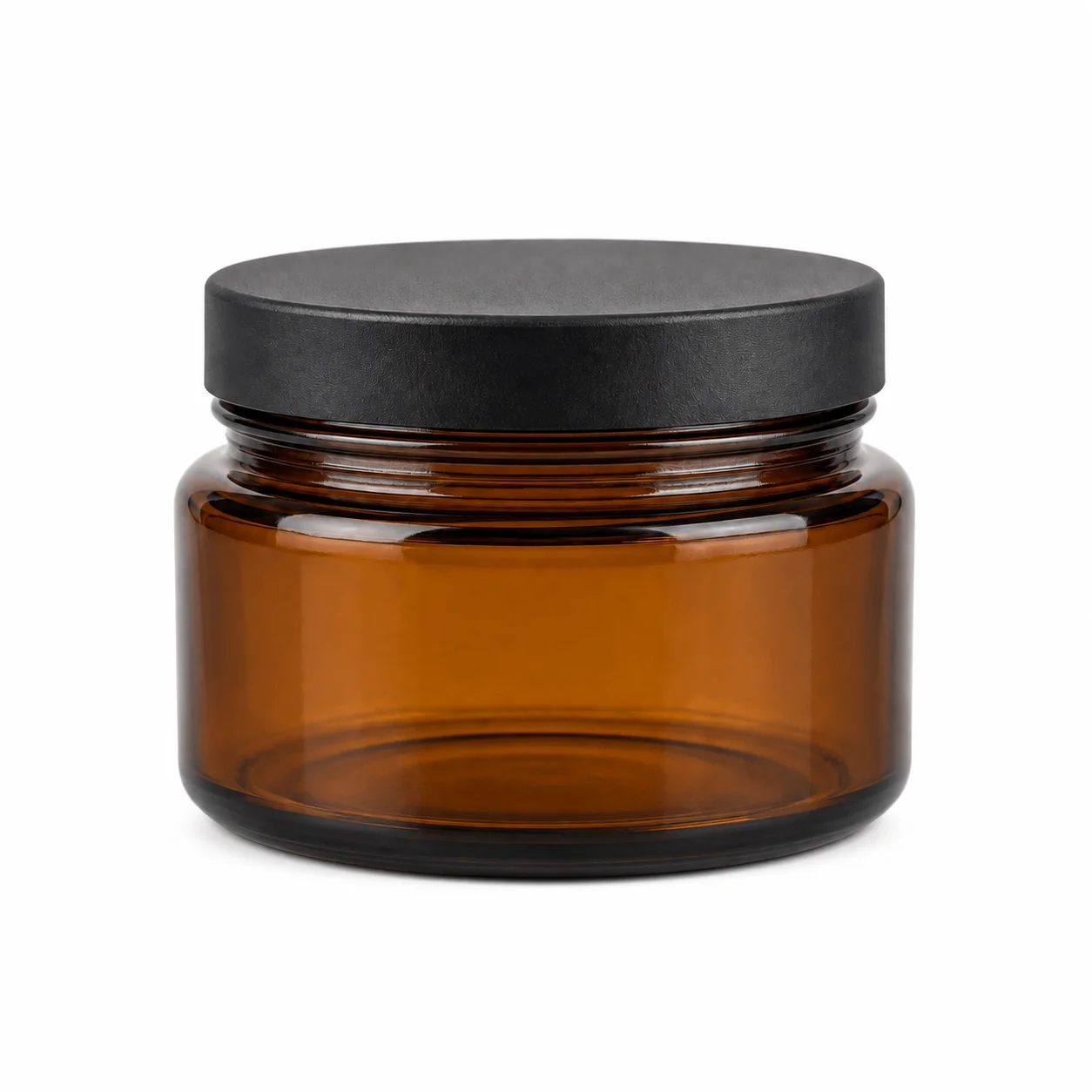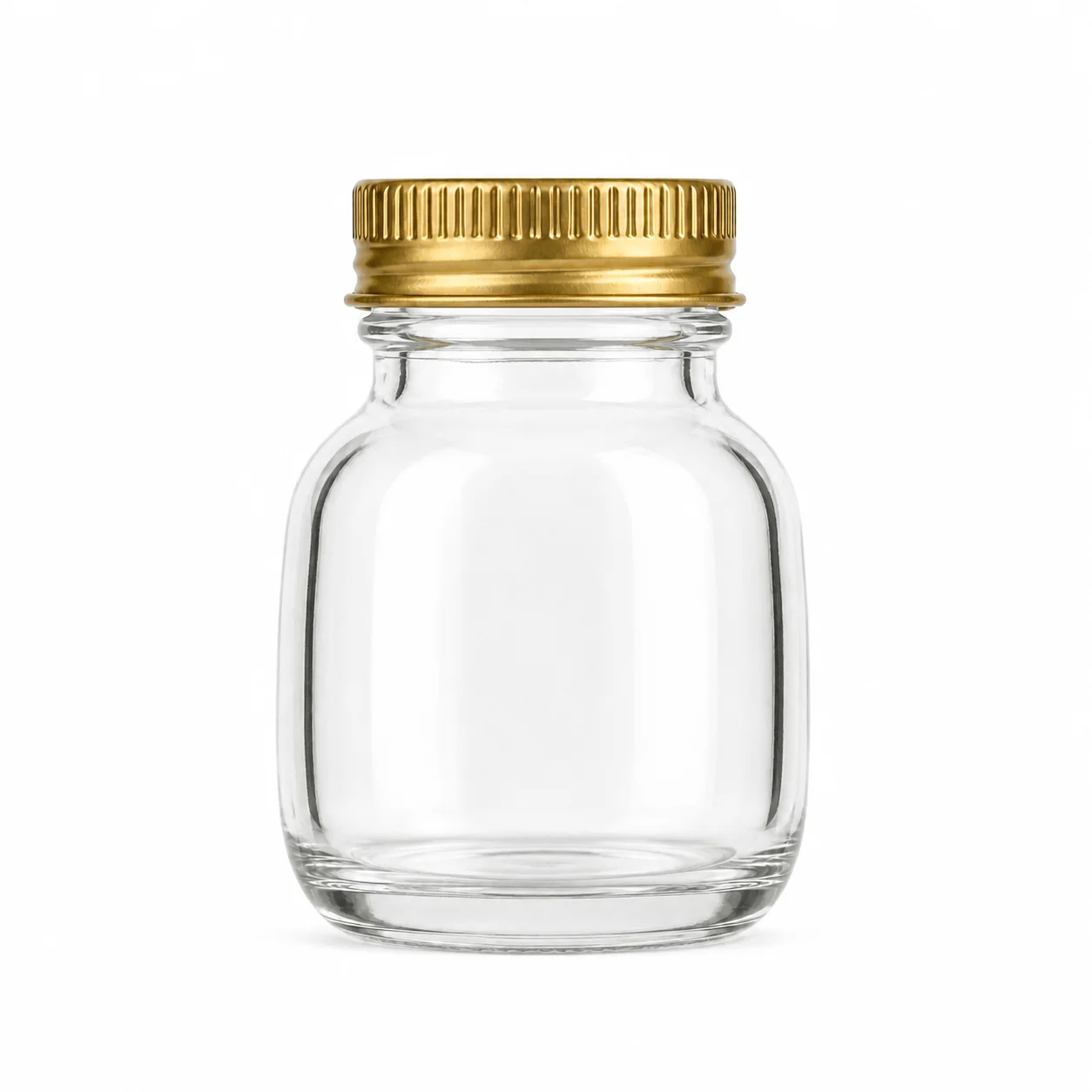
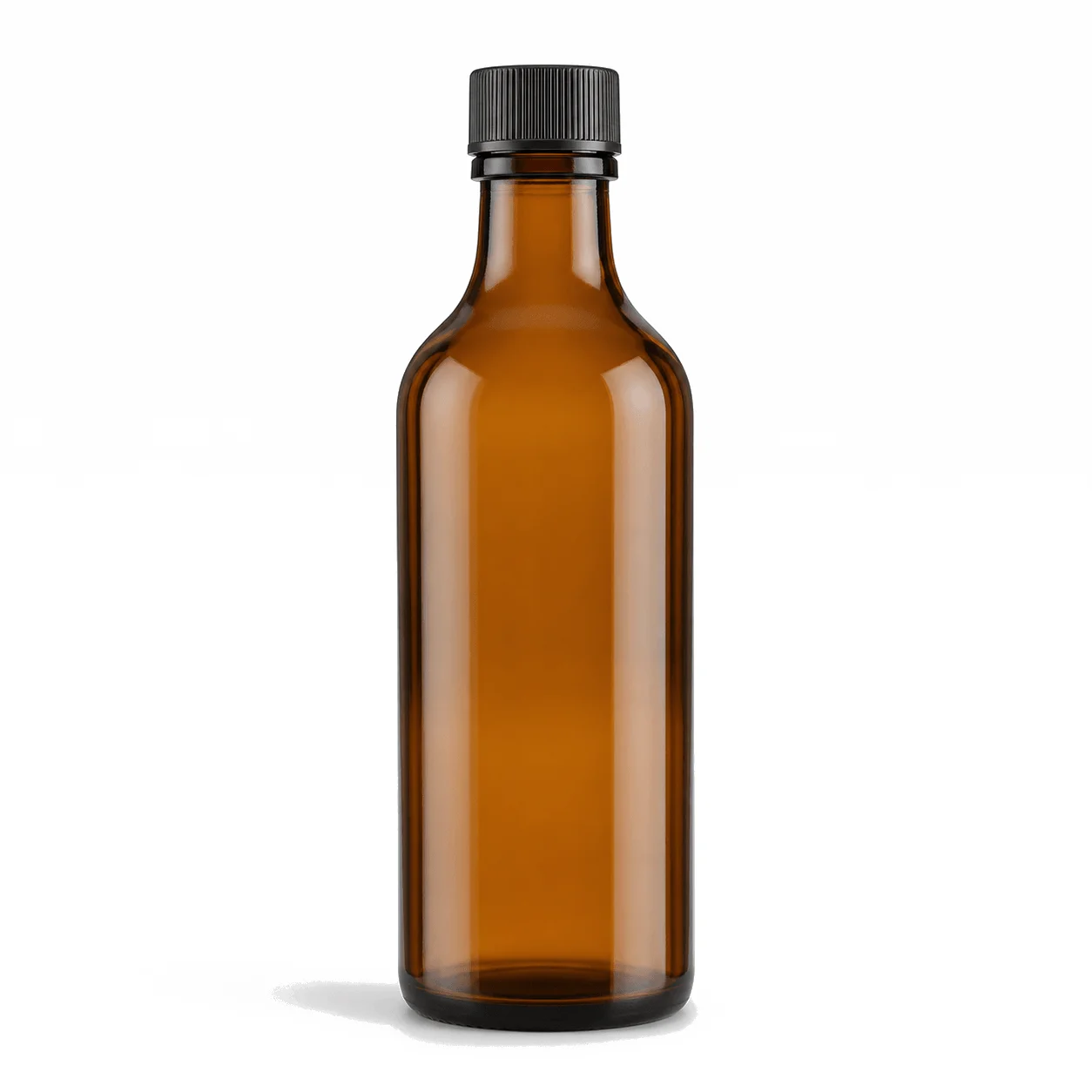
Small amber bottle with a narrow neck and a gold metallic closure
Shown configuration · bottle with closure / tonic, straw and printed label not shown

Traditional & herbal preparations

Tonic Bottle

A single-serve tonic bottle in the format used across East Asian herbal and health drink markets, sold in cartons of ten and opened at the neck for one dose.

Single-serve formatSold in multi-packsNeck sized for a straw
Stock status
In stock
Lead time
2–3 weeks
FOB price / pc
$0.55 - $0.95
MOQ
10,000 pcs

Final availability, dimensions, materials, assembled components and commercial terms are confirmed against the selected drawing and approved sample.

A dose, not a bottle

Fill equals one serving exactly

Carton is the selling unit

Ten- and thirty-count boxes

Neck takes a straw

Consumed directly, not poured

Tonic Bottle profile

A format defined by a carton of ten, not by a single bottle.

Single-serve economics, carton fit & consumption

Five things that follow from selling ten bottles at a time.

Herbal tonics and health drinks in this category are sold as a course: ten or thirty single-serve bottles in a printed carton, taken one a day. The individual bottle is small, cheap, opened once and discarded, so its economics, its decoration and its closure all follow from being one unit in a box rather than a product on its own.

01

The carton dictates the bottle, not the reverse

A ten-count carton has a shelf footprint and a printing area, and the bottle has to tile inside it without wasted space or movement. Diameter and height are therefore chosen from the carton grid, which is why bottles in this category are dimensionally consistent across brands even where the glass is completely different.

02

Everything is amortized across ten units

Decoration, closure and glass cost are multiplied by ten in every purchase a consumer makes, so a decision that adds a fraction of a cent to a bottle adds ten times that to the sale price. It pushes the category toward printed cartons and simple bottles rather than elaborate individual decoration, and toward closure formats that add nothing per unit.

03

It is drunk from the bottle, usually with a straw

The neck is sized for a straw or for drinking directly, which sets the finish and the opening feel. A closure that resists an elderly customer, or a neck that is uncomfortable at the lip, undermines the product regardless of what is inside it. Both are tested with the intended users rather than assumed from the dimensions.

04

Amber is conventional as much as functional

The category is strongly associated with amber glass, partly for genuine light protection of botanical extracts and partly because customers expect a tonic to look like one. Moving to flint reads as a different product entirely, which is a marketing constraint sitting on top of whatever the formulation actually requires.

05

Sediment is visible and has to be explained

Botanical extracts settle, and a small clear-walled bottle shows it plainly. Either the formulation is stabilized, the glass is dark enough to hide it, or the label tells the customer to shake before use. Choosing not to decide leaves a complaint pattern that looks like a quality failure and is actually a communication one.

06

Ten identical bottles have to survive being knocked together

A multipack is handled as one object, and the bottles inside move against each other every time the carton is lifted. Surface coatings, a carton with real dividers and a shoulder profile that does not concentrate contact are what stop a pack arriving with scuffed or chipped units.


Application guide

A tonic is poured into a measure, not swigged.

Tonics and concentrated liquid preparations are taken in defined amounts, often diluted, which puts the pour and the measuring routine at the center of the pack. These are development directions confirmed with the actual liquid.

Tonic Bottle used for tonics measured out at home in a daily regimens setting

Daily regimens

Tonics measured out at home

For a liquid a customer pours into a cap or a measure once or twice a day over a course of weeks. The high shoulder concentrates flow into a narrower neck, which helps control the pour, and the closure has to reseal reliably after being handled with sticky hands.

  • Test the pour into the supplied measure
  • Confirm reclosure after daily use
  • Check drips at the neck
Tonic Bottle used for a bottle chosen from among remedies in a pharmacy and health stores setting

Pharmacy and health stores

A bottle chosen from among remedies

For tonics a customer picks up in a health store, weighing them against something a pharmacist would hand over. The pack has to look purposeful without looking clinical, and on a high-shouldered amber body the label has to be planned so artwork never creeps onto the curve and buckles.

  • Keep the label off the shoulder curve
  • Balance clinical against wellness cues
  • Confirm the format suits the price
Tonic Bottle used for liquids opened repeatedly over weeks in a preservation setting

Preservation

Liquids opened repeatedly over weeks

A tonic is exposed to air and handling every day of its course, so the preservation route and the closure together determine whether it remains sound to the last dose. In-use stability over the full course is what has to be demonstrated, not just shelf stability unopened.

  • Demonstrate in-use stability over the course
  • Confirm the liner against the liquid
  • Set a clear after-opening period

Applications describe packaging-development directions. Tonic claims, protection, serving, sealing and regulatory outcomes are confirmed for the selected program.

Common questions

Tonic Bottle questions

This format is a carton product. These questions follow from that.

Why is the bottle size so constrained?

Because the carton comes first. A ten-count box has a shelf footprint and a print area, and the bottles have to tile inside it without wasted space or rattle. Diameter and height are chosen from that grid, which is why bottles across this category are dimensionally similar even when the glass and branding are entirely different.

Does the neck need to suit a straw?

Usually, since the product is drunk from the bottle rather than poured. That sets the finish and the feel at the lip, and it makes opening effort a real specification: a closure an older customer cannot manage undermines the product regardless of the formulation. Test both with the intended users rather than inferring from dimensions.

Customers complain about sediment. Is that a fault?

Not usually. Botanical extracts settle, and a small bottle shows it plainly. The options are stabilizing the formulation, using glass dark enough to hide it, or telling the customer to shake before use. Leaving it undecided produces a complaint pattern that looks like a quality failure but is really a communication gap.

Ten bottles ship in one carton — what does that require?

That they survive being knocked together. A tonic pack is handled as a unit, so the bottles rub and strike each other from the filler to the shelf. Dividers and a glass finish that tolerates contact matter more here than on a single-bottle pack.

Next step

Send us the Tonic Bottle brief.

Tell us the product, fill volume, closure preference and destination market. We will come back with the matching drawings, available configurations and a sample plan before anything is quoted.

  • 01Send the briefProduct, volume, closure and market
  • 02Get the optionsMatching drawings and configurations
  • 03Approve the sampleConfirm the pack before production