Break control, particulate generation & format choice
Six things that decide whether an ampoule is the right container.
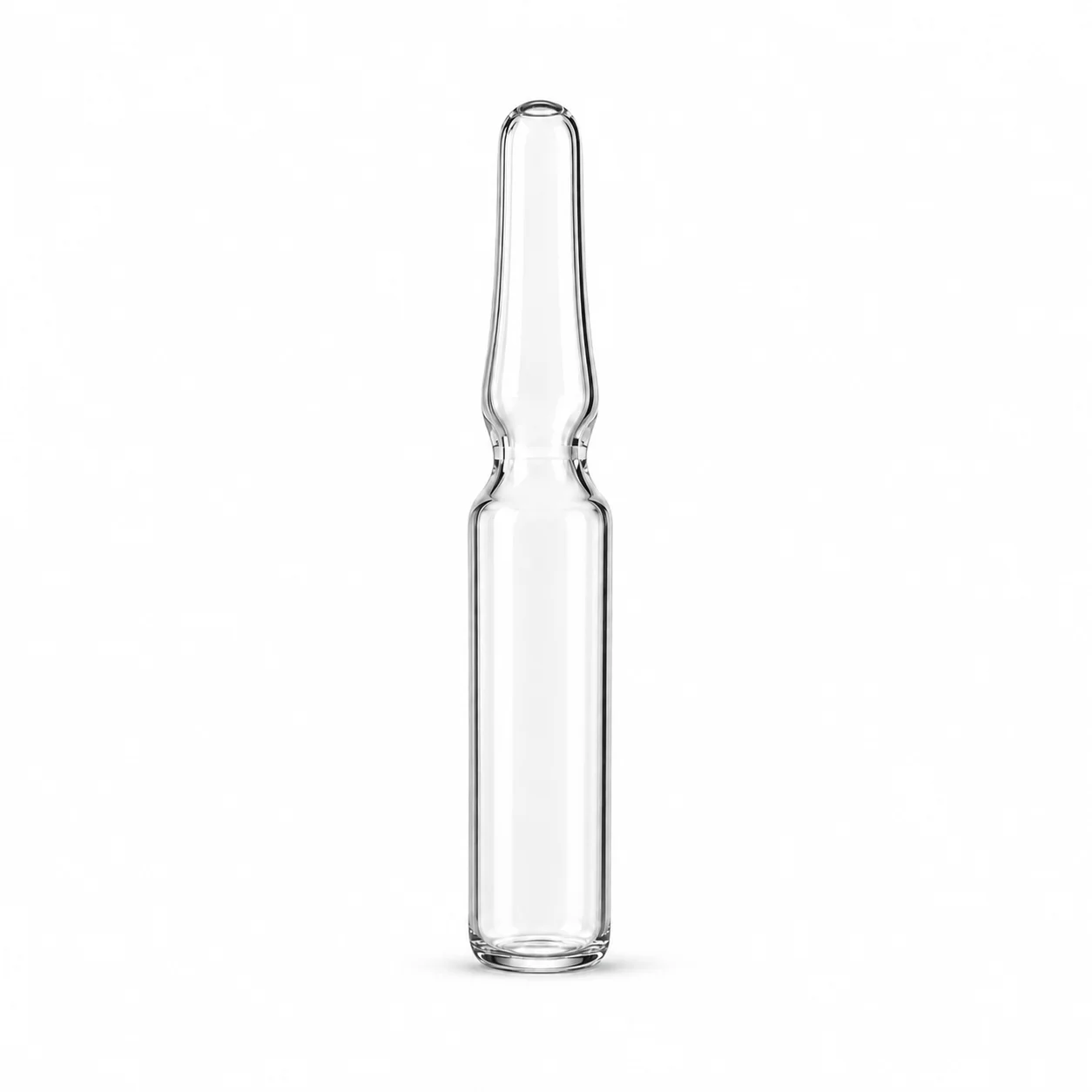
An injectable ampoule is a sealed piece of Type I glass with nothing between the product and the wall. There is no stopper to leach and no crimp to leak, and in exchange the container must be broken to be used. Everything specific to the format concerns that break: where it happens, how it is controlled and what it puts into the dose.
Snapping glass makes particles, and the design controls how many
Any break creates fragments at the fracture surface, and some can enter the dose. A one-point cut with an identification ring gives a shallow, defined score so the stem parts along a clean line under low force, which produces far less debris than filing or snapping an unscored neck. Opening technique and orientation then determine what happens to what is produced.
Single dose is a property, not a policy
Once opened, an ampoule cannot be resealed, so the whole content is used or discarded. That removes the multiple-entry risk that drives preservative use in vials, and it means the fill volume has to match the dose rather than a course of doses. It also means overfill and withdrawal losses matter more than in a multi-dose container.
The absence of elastomer is the strongest argument
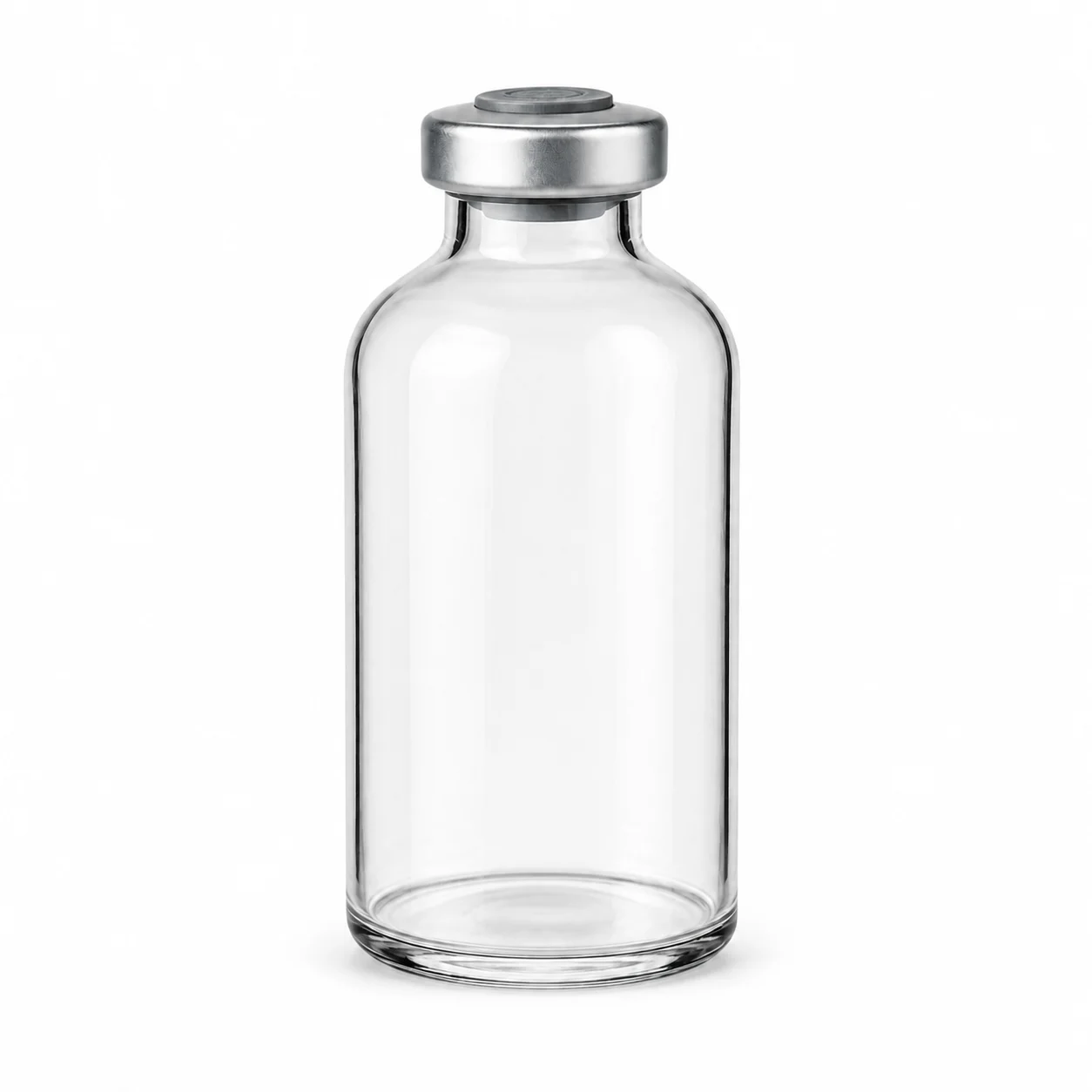
Vials rely on a rubber stopper, which introduces extractables, moisture transmission and a coring risk each time a needle passes through it. An ampoule has none of that. For sensitive small-molecule injectables the fused-glass container avoids elastomer-related extractables entirely, and that is why the format has survived every attempt to replace it.
Printing has to survive sterilization and handling
Ampoule identification is applied in ceramic ink and fired, so it withstands autoclaving, handling and the solvent wipe of an aseptic transfer. Color rings encode strength or product family and are read at speed in a clinical setting. Both are applied before filling, which makes artwork a lead-time item rather than a late decision.
Filling geometry decides how clean the seal is
The needle enters through the stem, so the funnel and stem dimensions determine whether product can be delivered below the shoulder without wetting the walls above it. Liquid left on the stem carbonizes when the sealing flame arrives and leaves a black particle in the seal. The container's internal geometry is a fill-quality parameter, not just a shape.
Overfill is calculated, not generous
A labeled volume has to be withdrawable after the needle has been used to draw it, and some liquid always stays behind on the wall and in the shoulder. The overfill that covers this is a calculated figure tied to the ampoule shape and the withdrawal technique, not a margin added for comfort.