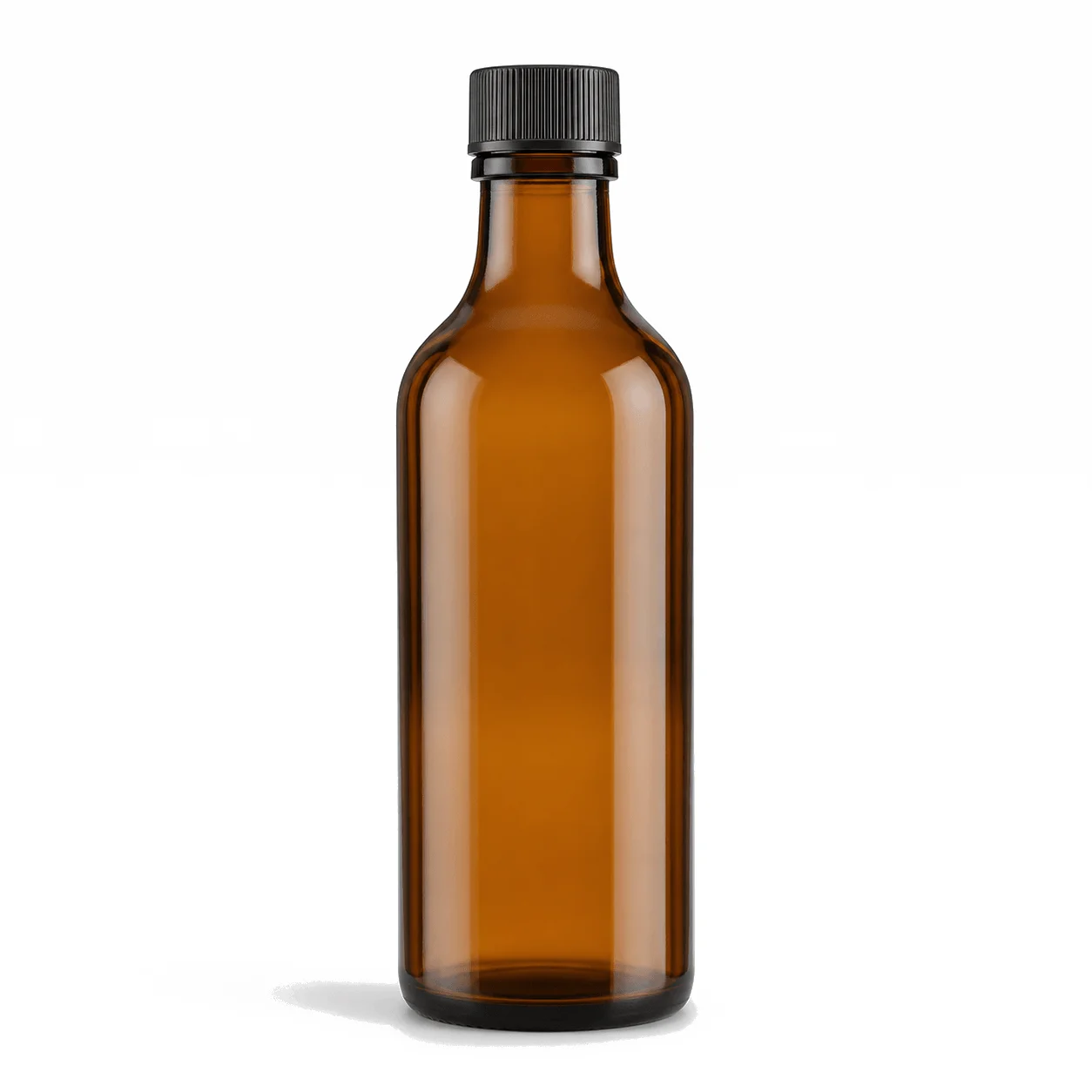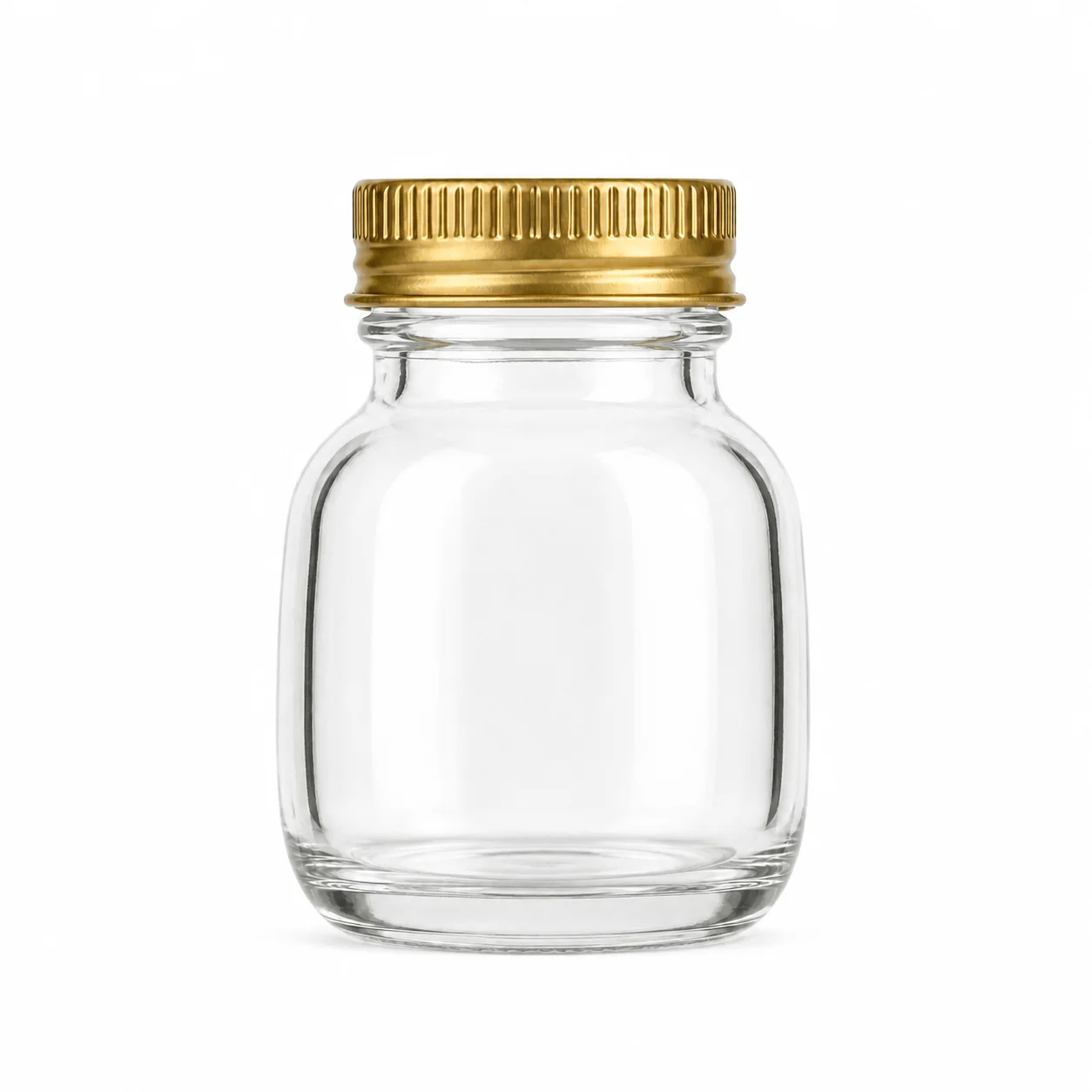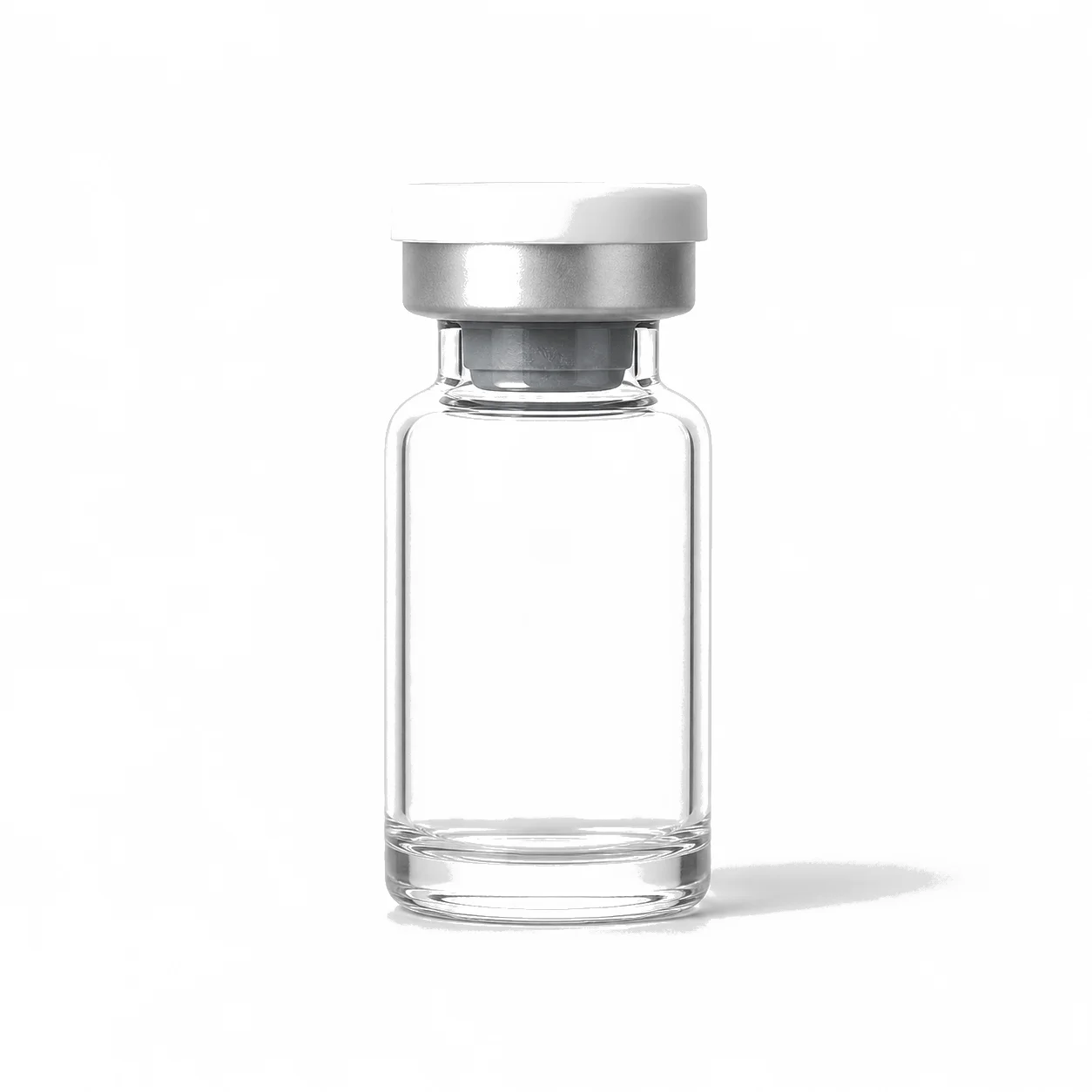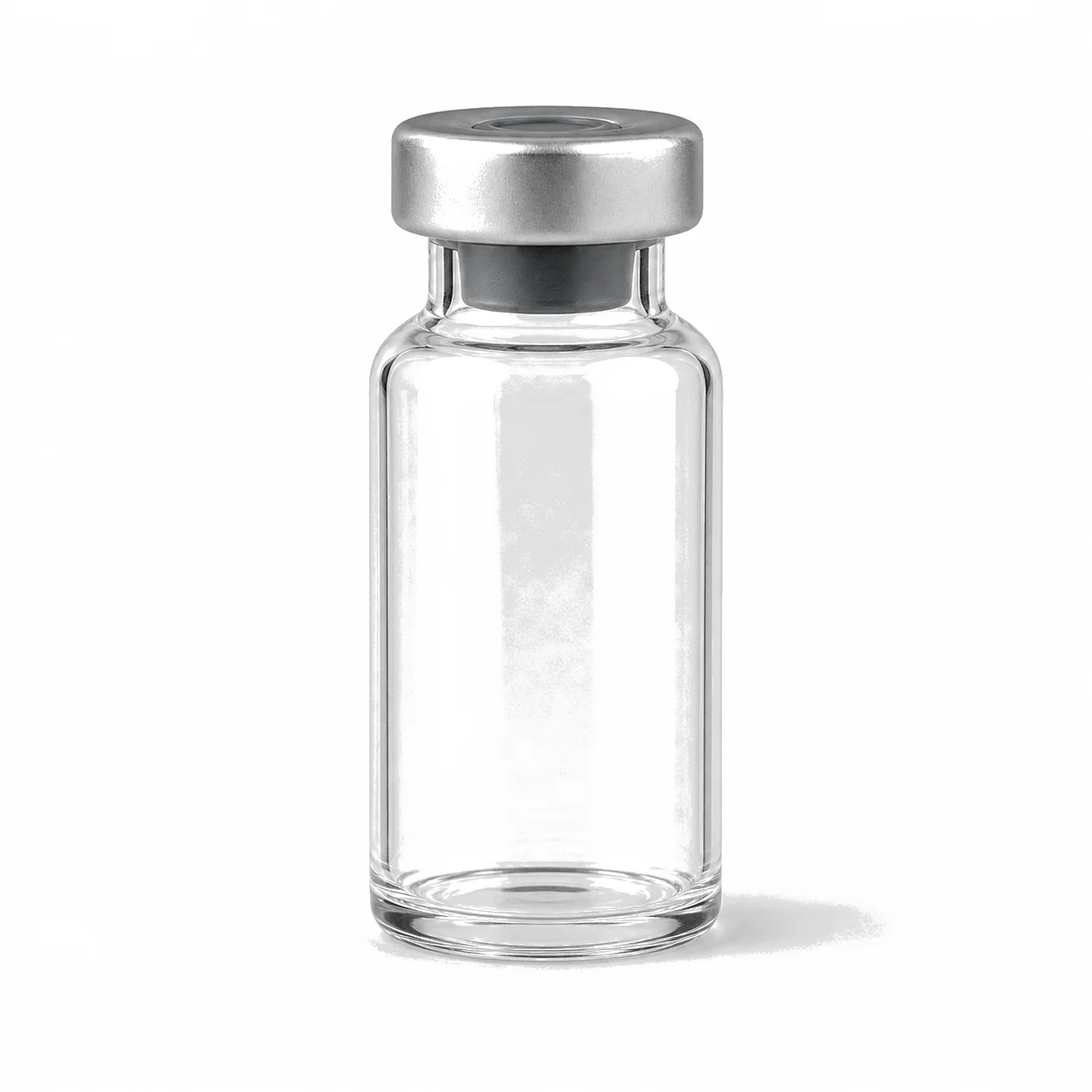
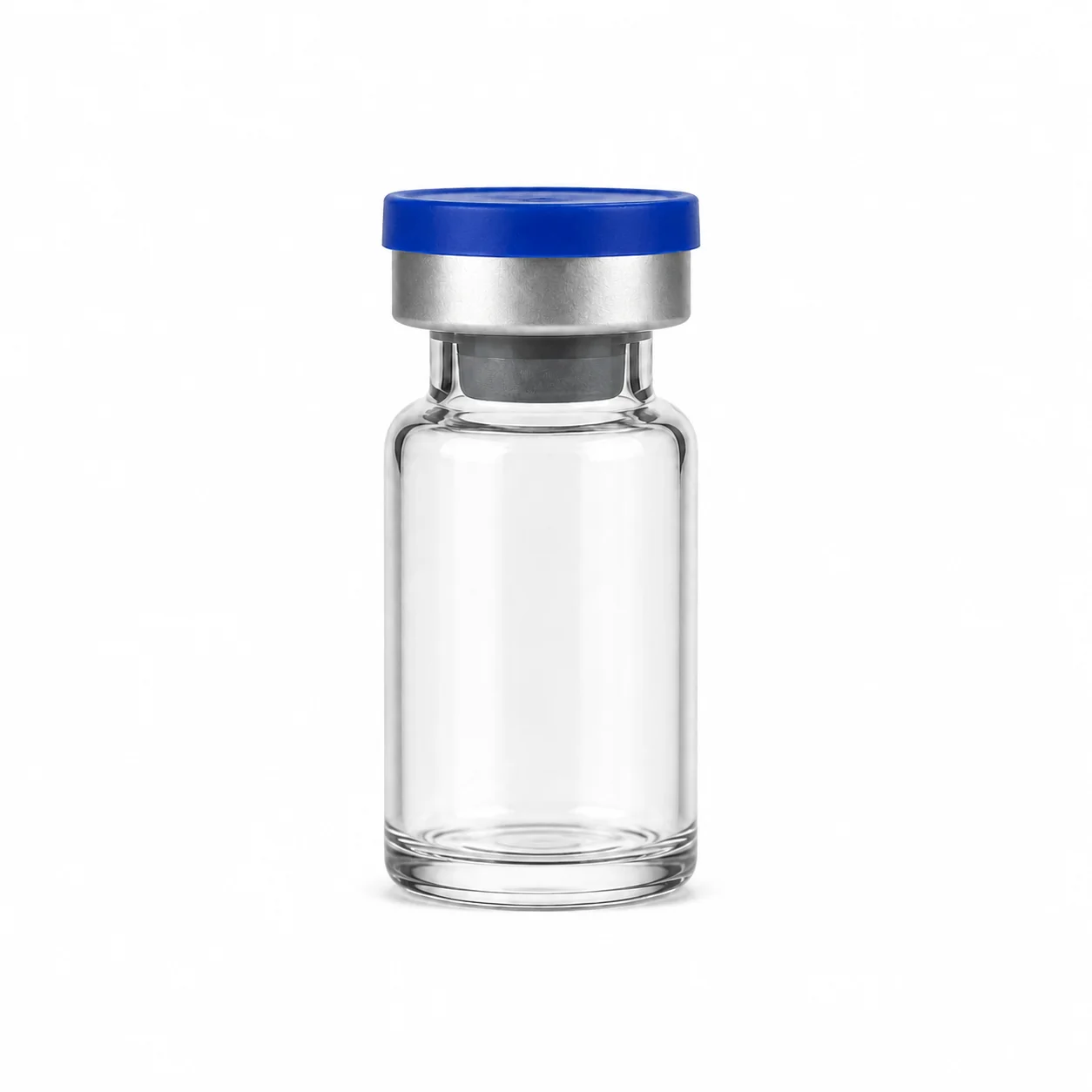
Compact clear vial with a gray stopper, crimped silver seal and blue flip cap
Shown configuration · vial with stopper, seal and flip cap / product, label and cold chain not shown

Injection containers

Vaccine Vial

A small vial for vaccine presentations, where the closure has to survive cold-chain storage and the label has to stay legible after time at freezer temperature.

Small fill, many dosesCold-chain closure dutyColor-coded flip caps
Stock status
In stock
Lead time
2–3 weeks
FOB price / pc
$0.70 - $1.00
MOQ
5,000 pcs

Final availability, dimensions, materials, assembled components and commercial terms are confirmed against the selected drawing and approved sample.

Cold makes rubber harder

Reseal behavior changes at low temperature

Doses per vial is a policy

Wastage and access trade against each other

Identification at a glance

Cap color and print read under pressure

Vaccine Vial profile

A small container whose hardest requirements come from the freezer and the clinic, not the filling line.

Cold-chain behavior, dose count & clinical handling

Five requirements that arrive from downstream.

Vaccine presentations are usually small volumes in multi-dose vials that travel through a cold chain and are drawn from under time pressure in a clinic. The container has to hold closure integrity at temperatures where elastomers stiffen, carry identification that survives condensation, and give clean access for a dozen withdrawals.

01

Elastomers stiffen as they cool, and reseal suffers

A stopper qualified at room temperature behaves differently at 2 to 8 °C and differently again below freezing: it is harder, less elastic and slower to close behind a needle. Container closure integrity for a cold-chain product is therefore established at the storage temperature rather than on the bench, because the closure that matters is the cold one.

02

Thermal cycling stresses the crimp, not just the product

Glass and aluminum contract at different rates, so every excursion through the cold chain works the crimp joint slightly. Over a long shelf life that can relax the compression holding the stopper. Residual seal force measured after temperature cycling tells you more about a vaccine closure than the same measurement taken on freshly capped units.

03

Doses per vial is a trade with real consequences

More doses in one vial reduces cost and cold-chain volume, and it increases wastage when a vial is opened for one patient and discarded at the end of a session. Fewer doses inverts both. The container decision therefore follows the immunization program's session sizes rather than the economics of filling, and the two often point in opposite directions.

04

Labels have to survive condensation and gloves

A vial taken from cold storage into a warm room condenses immediately, and it is then handled with gloved hands. Label adhesive and print that behave perfectly on a shelf can lift or smear under that cycle. Cap color coding is the redundancy that keeps identification working when the printed label has become hard to read.

05

Small vials are harder to inspect, not easier

A 2 mL vial gives a short light path and a curved wall close to the product, so particulate inspection and fill-level verification are more demanding than in a larger container. That affects the glass specification: cosmetic defect limits and wall uniformity carry more weight on small vials than the same standard would suggest at 20R.

06

Freeze indicators and cold chain monitors need somewhere to sit

Many programs require a temperature indicator on or with the vial, and on a small container the label area is already committed. Planning that space at artwork stage, rather than finding it afterwards, is what stops the monitor being applied over the batch number.


Application guide

This vial spends its life in a cold chain.

Vaccine presentations are defined less by the glass than by the temperatures they must survive and the number of doses they hold once opened. These are development directions confirmed with the qualified process and handling route.

Vaccine Vial used for vials held and shipped refrigerated or frozen in a cold-chain storage setting

Cold-chain storage

Vials held and shipped refrigerated or frozen

For products stored well below ambient from filling until administration, sometimes at temperatures that make glass and elastomer behave quite differently than at room temperature. Stopper compression, seal integrity and glass strength all have to be demonstrated at the actual storage temperature.

  • Test integrity at storage temperature
  • Confirm the stopper holds when cold
  • Review handling through the cold chain
Vaccine Vial used for vials entered several times in a session in a multi-dose setting

Multi-dose

Vials entered several times in a session

Where one vial serves several patients, the septum is penetrated repeatedly within a limited in-use period and the pack has to remain intact throughout. In-use stability and the permitted period after first entry are product decisions that shape the presentation.

  • Define the in-use period after entry
  • Confirm resealing over repeat access
  • Match dose count to the session
Vaccine Vial used for color caps and rapid recognition in a vaccination clinics setting

Vaccination clinics

Color caps and rapid recognition

Flip-off caps in distinct colors let staff distinguish products at a glance in a busy clinic, which is a practical error-prevention measure rather than decoration. Color assignment has to be coordinated across a portfolio so two similar products never share a cap.

  • Assign cap colors across the portfolio
  • Confirm labels survive cold and condensation
  • Test recognition under clinic conditions

Applications describe development directions. Vaccine suitability, cold-chain performance, sterility, integrity and regulatory outcomes are confirmed for the selected program.

Common questions

Vaccine Vial questions

Most of the difficulty in this pack comes from where it goes after filling.

Does closure integrity change in the cold chain?

Yes, and it is the reason cold-chain closures are tested cold. Elastomers stiffen as they cool: at 2 to 8 °C, and more so below freezing, a stopper is harder, less elastic and slower to close behind a needle. Integrity established at room temperature does not describe the closure at the temperature the product is actually stored at.

Can temperature cycling loosen the crimp?

It can. Glass and aluminum contract at different rates, so every excursion works the crimp joint slightly, and over a long shelf life the compression holding the stopper can relax. Measuring residual seal force after temperature cycling tells you far more about a vaccine closure than the same measurement on freshly capped units does.

How many doses should a vial hold?

It follows the immunization session rather than the filling economics, and the two usually disagree. More doses per vial cuts cost and cold-chain volume and increases wastage when a vial is opened for one patient and discarded at session end. Fewer doses reverses both. The program's typical session size is the deciding input.

Where do freeze indicators and monitors sit?

On the pack, and they need planned space. Cold chain monitors and freeze indicators compete with the label for the same small surface, so the layout has to reserve room for them rather than treating them as an afterthought at packing.

Next step

Send us the Vaccine Vial brief.

Tell us the product, fill volume, closure preference and destination market. We will come back with the matching drawings, available configurations and a sample plan before anything is quoted.

  • 01Send the briefProduct, volume, closure and market
  • 02Get the optionsMatching drawings and configurations
  • 03Approve the sampleConfirm the pack before production