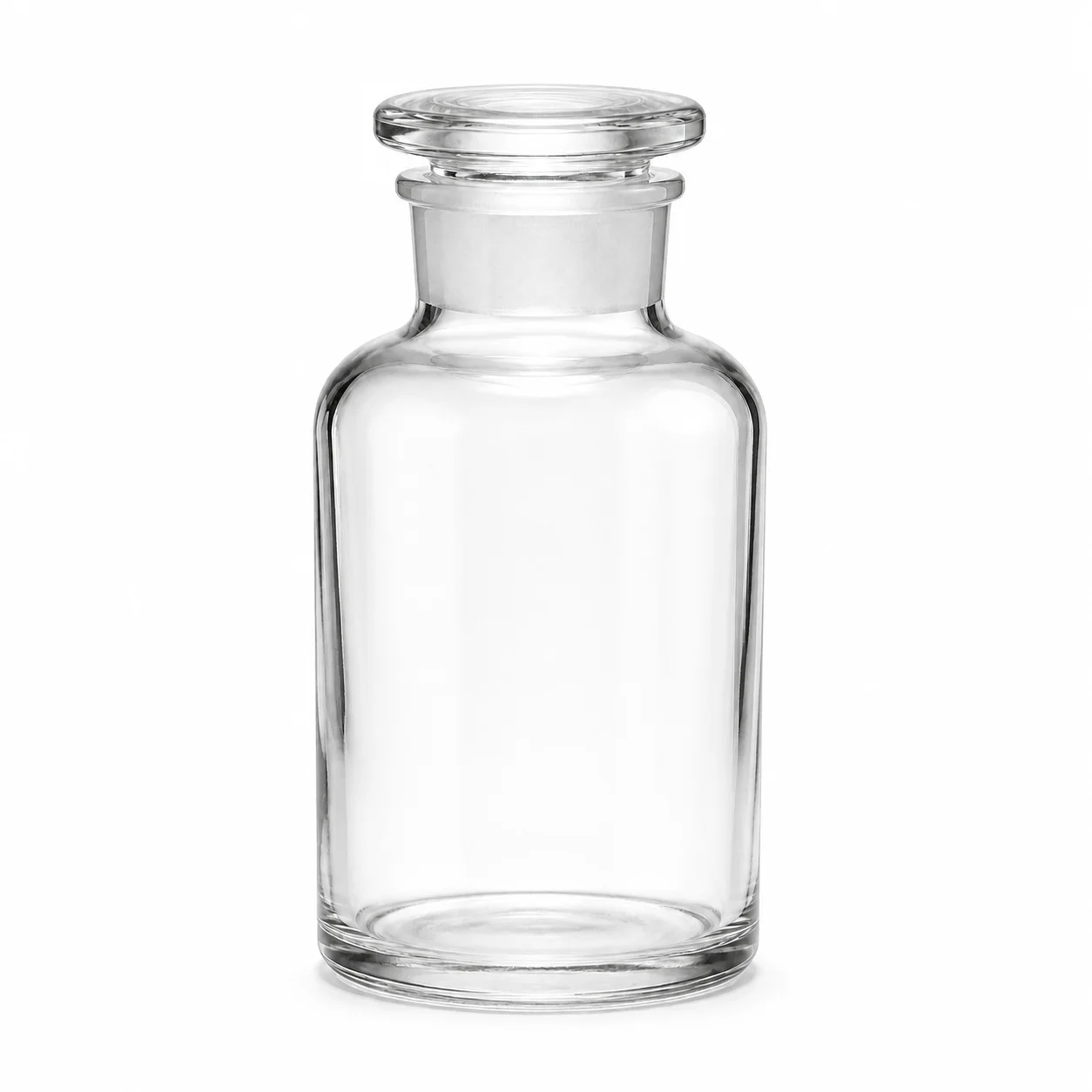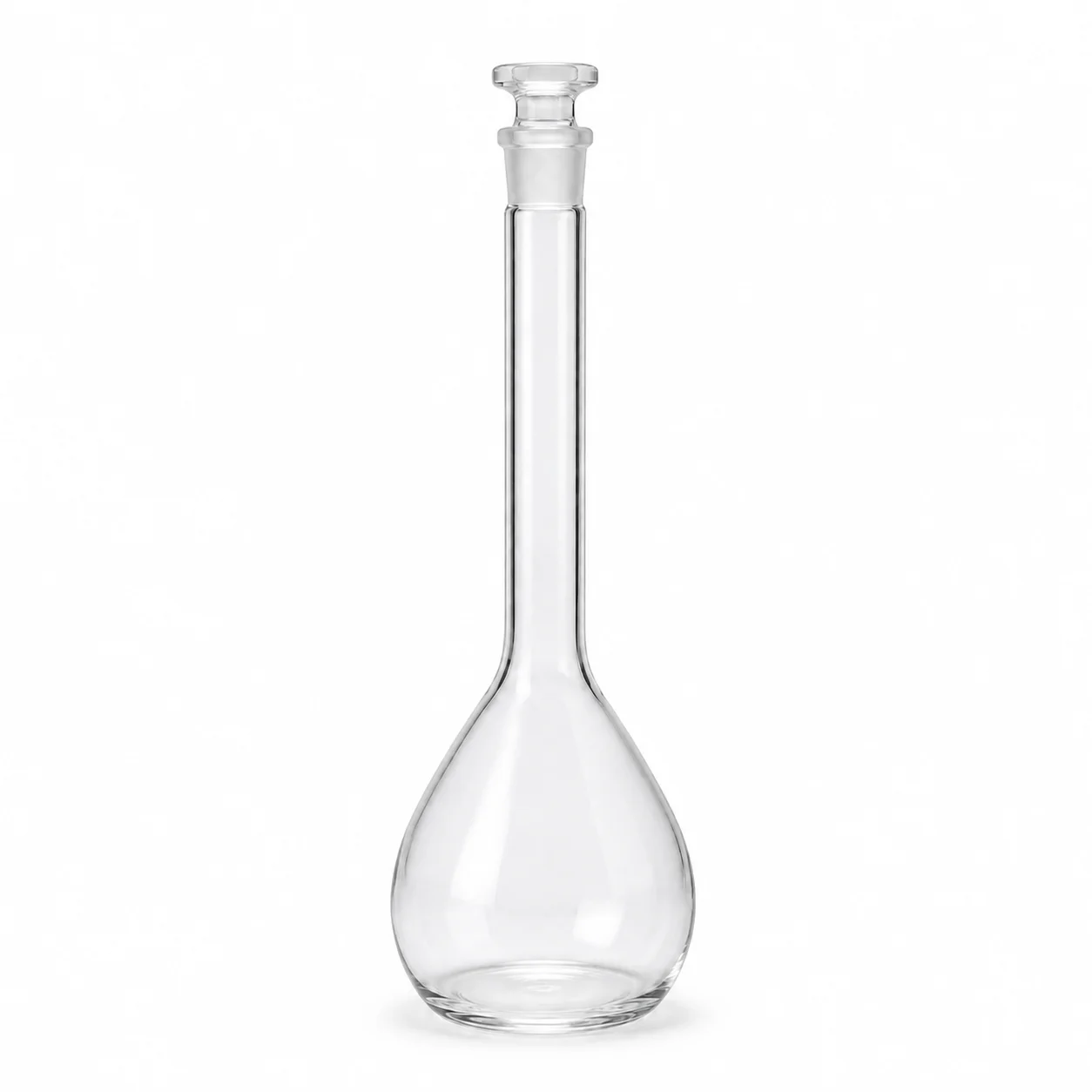
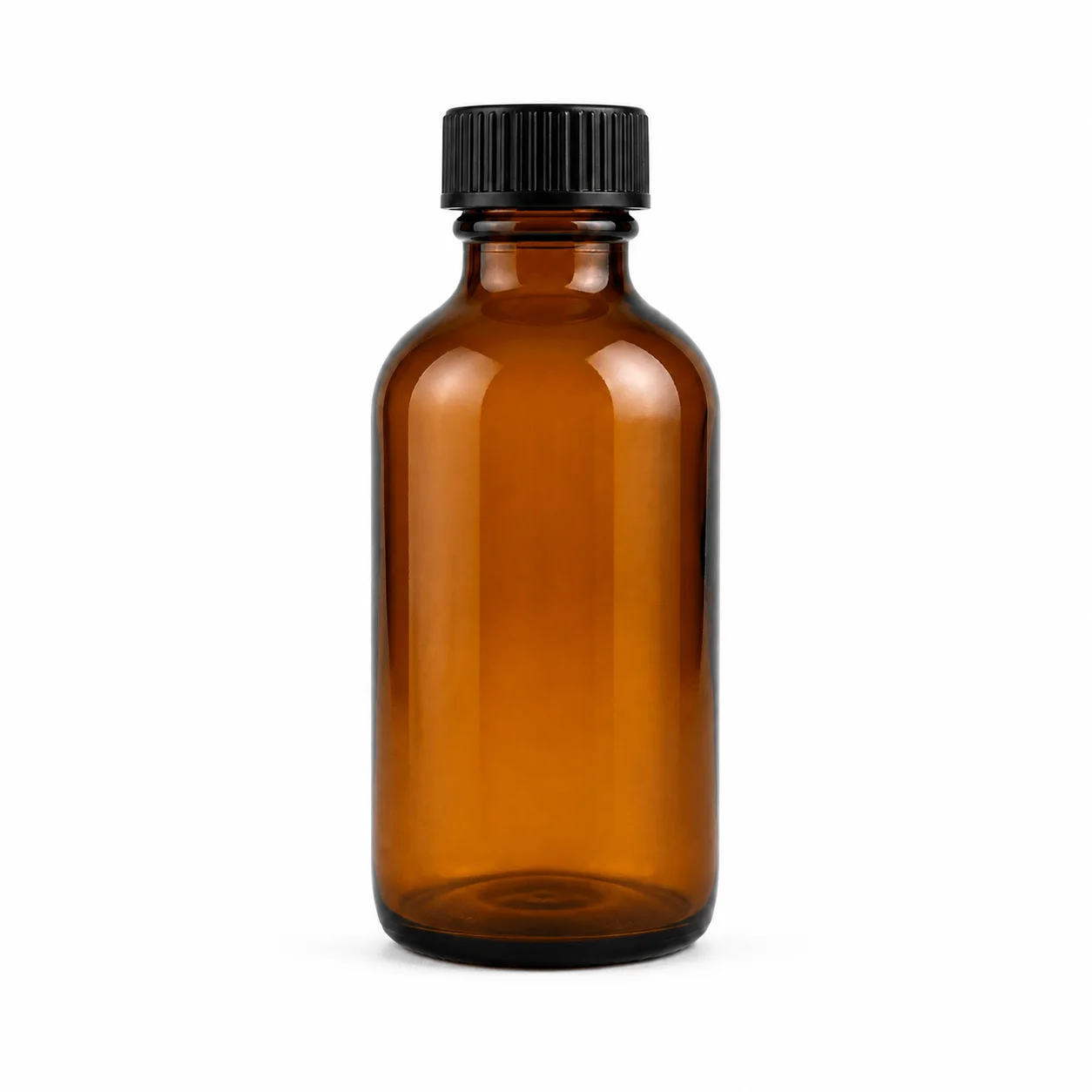
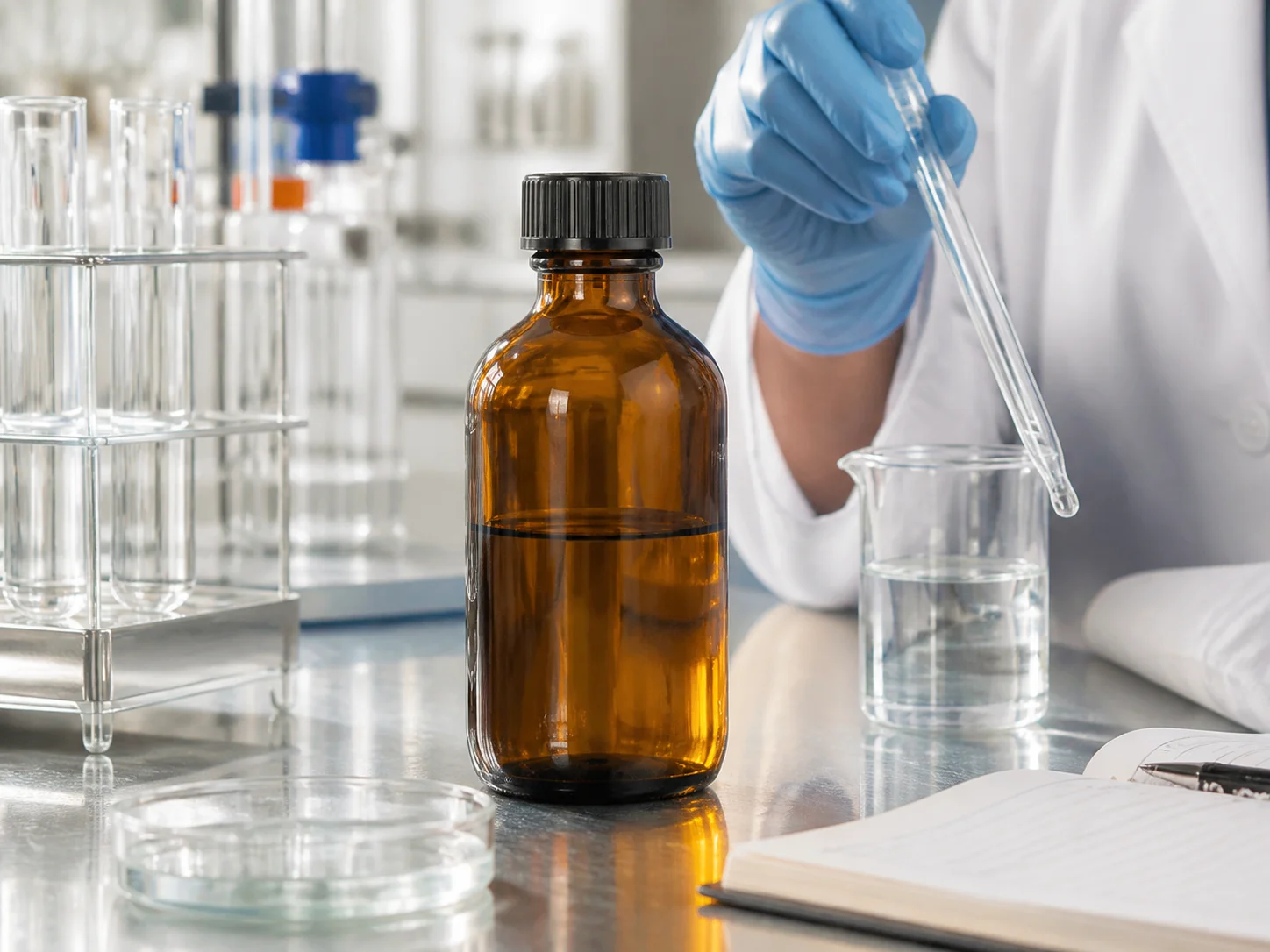
Amber glass reagent bottle with a straight body, narrow neck and ground stopper
Shown configuration · amber bottle with stopper / label, contents and closure liner not shown

Light-protective laboratory storage

Amber Reagent Bottle

An amber reagent bottle whose iron and sulfur colorants absorb below roughly 450 nm, holding spectral transmission under 10% across 290–450 nm on pharmacopeial amber glass.

Under 10% from 290–450 nmBlocks over 99% below 400 nmAmber does not equal opaque
Stock status
In stock
Lead time
2–3 weeks
FOB price / pc
$0.45 - $0.70
MOQ
5,000 pcs

Final availability, dimensions, materials, assembled components and commercial terms are confirmed against the selected drawing and approved sample.

Color is chemistry

Iron and sulfur oxides absorb the short wavelengths

Beats blue and green

Both pass the high-energy UV amber stops

Still not a dark cupboard

Light protection is partial, not absolute

Amber Reagent Bottle profile

Amber is a filter with a published transmission curve, not a shade of brown.

Transmission limits, colorant chemistry & practical limits

Six things to know before amber is written into a storage specification.

Photosensitive reagents degrade under short-wavelength light, and amber glass is the standard answer because its colorants absorb exactly that part of the spectrum. What matters is the number behind the color: how much light passes at which wavelength, and whether the container is doing the work or merely looking as though it is.

01

The pharmacopeial limit is a number, not an appearance

For light-resistant containers, the accepted requirement is that spectral transmission does not exceed 10 percent at any wavelength between 290 and 450 nm, measured on containers above 20 mL. That is what separates a specified amber container from glass that happens to be brown. Where light protection is a stated requirement, the transmission figure is what belongs in the purchase specification.

02

Amber outperforms blue and green where it counts

The damaging region for most photosensitive compounds sits below about 400 nm. Blue and green glass transmit a good deal of that high-energy light while looking protective; amber absorbs above 99 percent of it and about 90 percent of visible light below 450 nm. Cobalt blue is chosen for appearance far more often than for optics, and the two decisions get confused routinely.

03

The color comes from iron and sulfur in the melt

Amber is produced by an iron-sulfur chromophore formed under reducing conditions in the furnace, not by a coating or a sleeve. That means the protection is intrinsic to the glass, cannot be scratched off and does not fade. It also means color varies slightly between melts, so a program matching amber across suppliers should expect a visible batch range.

04

Sprayed and sleeved amber are different products

Colored coatings and shrink sleeves can imitate the look and some of the function, and they are cheaper on small runs. They abrade, they can be attacked by solvents, and their transmission is rarely certified. Where a reagent's stability data depends on light exclusion, integral amber glass is the defensible choice and the difference is worth documenting in the specification.

05

Amber costs you inspection

You cannot see precipitate, color change or fill level through an amber wall as clearly as through flint. Laboratories that switch a whole reagent range to amber lose an informal quality check they were relying on without noticing. The practical answer is a fill-level stripe or a flint sighting strip where the format allows, and a habit of decanting for inspection.

06

Light protection does not replace storage discipline

Amber slows photodegradation; it does not stop it, and it does nothing about temperature or oxygen. A peroxide-forming solvent in an amber bottle on a sunny bench is still a peroxide-forming solvent. Amber belongs alongside a dark cupboard, a date on the label and an inventory review, rather than in place of any of them.
Application guide

Amber is chosen when light degrades what is inside.

In a laboratory the amber bottle is not a styling decision: it is used where a reagent is known to be photosensitive and the alternative is wrapping a clear bottle in foil. These are development directions confirmed with stability data.

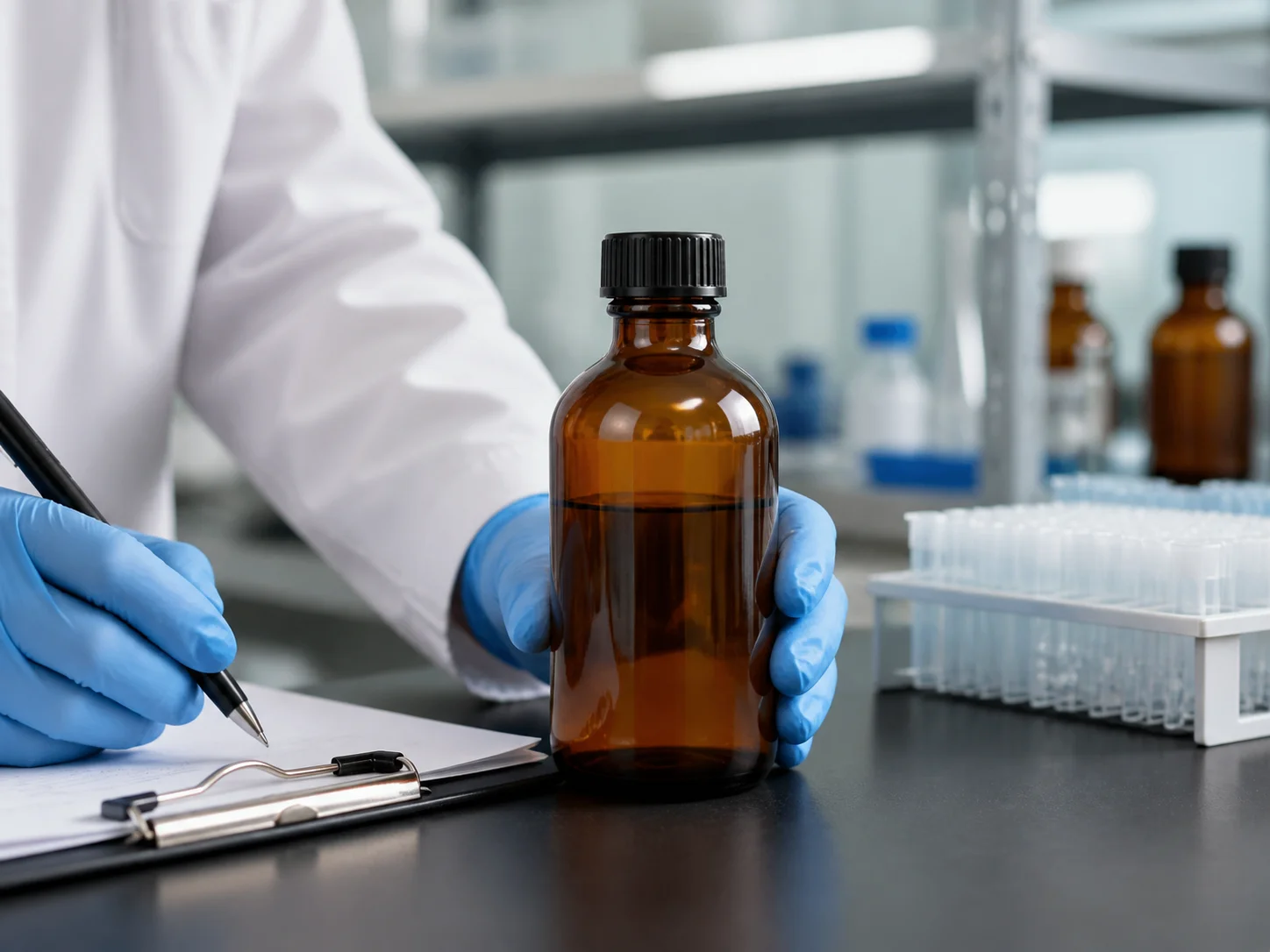
Amber Reagent Bottle used for solutions that decompose in daylight in a photosensitive reagents setting

Photosensitive reagents

Solutions that decompose in daylight

For reagents and standards whose concentration drifts under bench lighting, where an unprotected bottle gives quietly wrong results rather than any visible sign of failure. Amber glass reduces that exposure, and how much protection it actually delivers belongs to data for the specific compound.

  • Establish the protection need from data
  • Confirm the tint is consistent
  • Store away from direct light regardless
Amber Reagent Bottle used for an analyst holding a bottle to the light in a checks before use setting

Checks before use

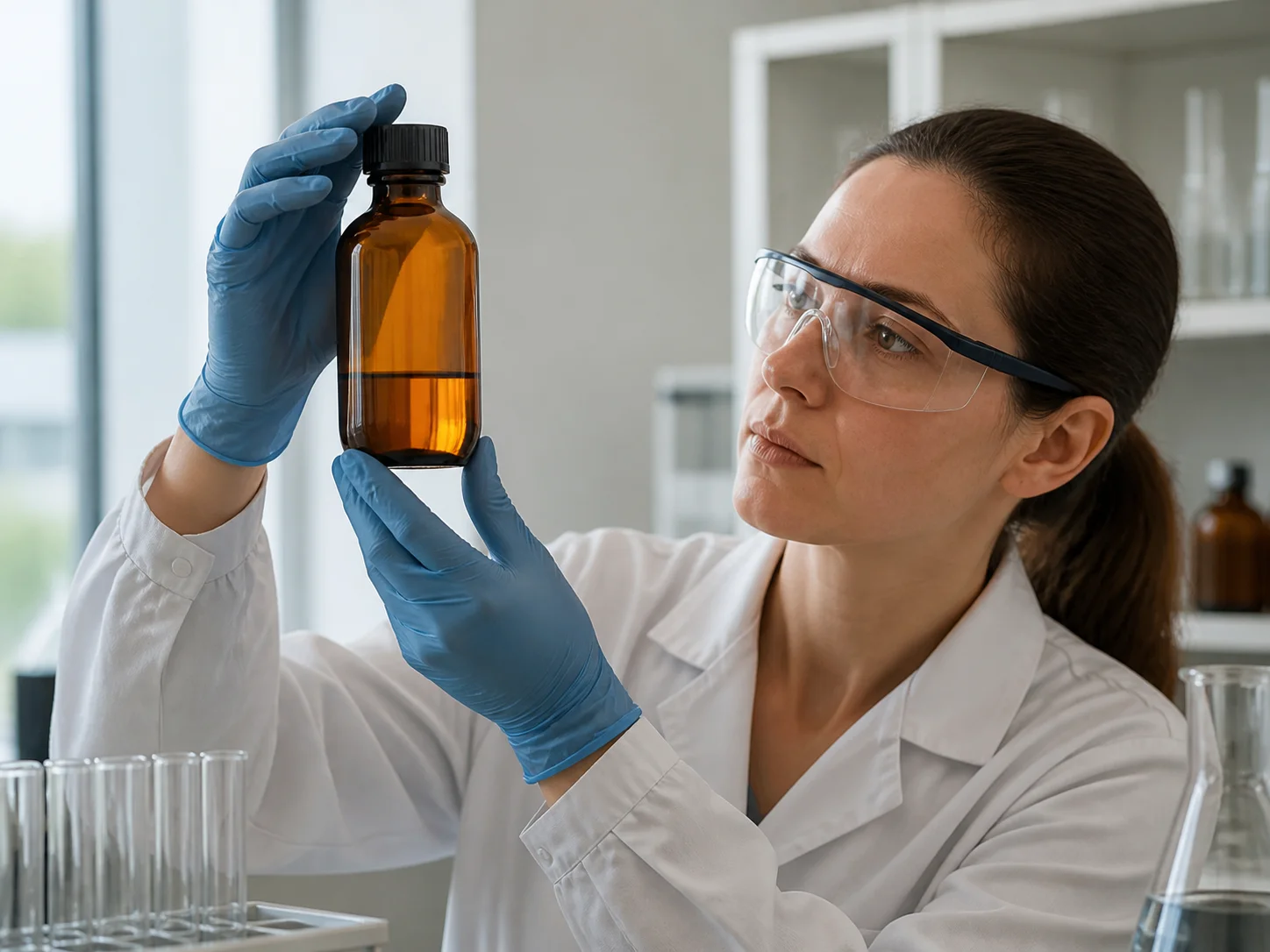
An analyst holding a bottle to the light

For the moment someone takes a stored reagent down and looks at it before pouring: is there precipitate, has the color moved, how much is left. Amber hides all three, so a laboratory that relies on that check needs to confirm it can still be made, or specify a graduated strip.

  • Confirm inspection is still possible
  • Consider a graduated or clear strip
  • Check the level can be read
Amber Reagent Bottle used for a container refilled with something else in a bottles reused in house setting

Bottles reused in house

A container refilled with something else

For labs that wash out an amber bottle and put a different reagent in it, which happens constantly. The cap and liner were chosen for the first contents and may not survive the second, so whoever refills has to check the liner against the new reagent rather than trust whatever the supplier originally fitted.

  • Select the liner for the reagent
  • Confirm the cap resists the vapor
  • Recheck when reagents change

Applications describe development directions. Light protection, chemical compatibility and laboratory outcomes are confirmed for the selected program.

Common questions

Amber Reagent Bottle questions

Amber is specified on numbers. These six questions are the numbers and their limits.

How much light does amber glass actually block?

Quality amber absorbs over 99 percent below 400 nm and roughly 90 percent of visible light below 450 nm. The formal criterion for a light-resistant container is that spectral transmission does not exceed 10 percent at any wavelength between 290 and 450 nm for containers above 20 mL. That number, rather than the shade of brown, is what belongs in a specification.

Is cobalt blue glass just as protective?

No, and the confusion is common. The damaging region for most photosensitive compounds is below about 400 nm, and blue and green glass transmit a substantial part of it while looking protective. Amber absorbs it. Cobalt is chosen for shelf appearance far more often than for optics, which is a legitimate reason as long as nobody is relying on it for stability.

Why do our amber bottles vary in color between deliveries?

Because the chromophore forms in the furnace and melt conditions vary slightly. A visible range between batches is normal for integral amber and is not a defect. If color consistency matters for shelf appearance, agree limit samples rather than a single reference, exactly as you would for any material colored in production rather than printed.

Does amber glass replace storage discipline?

No — it buys time, not immunity. Amber cuts the light reaching the contents but heat, repeated opening and long storage still degrade sensitive reagents. Treat the glass as one control among several rather than as the answer.

Next step

Send us the Amber Reagent Bottle brief.

Tell us the product, fill volume, closure preference and destination market. We will come back with the matching drawings, available configurations and a sample plan before anything is quoted.

  • 01Send the briefProduct, volume, closure and market
  • 02Get the optionsMatching drawings and configurations
  • 03Approve the sampleConfirm the pack before production