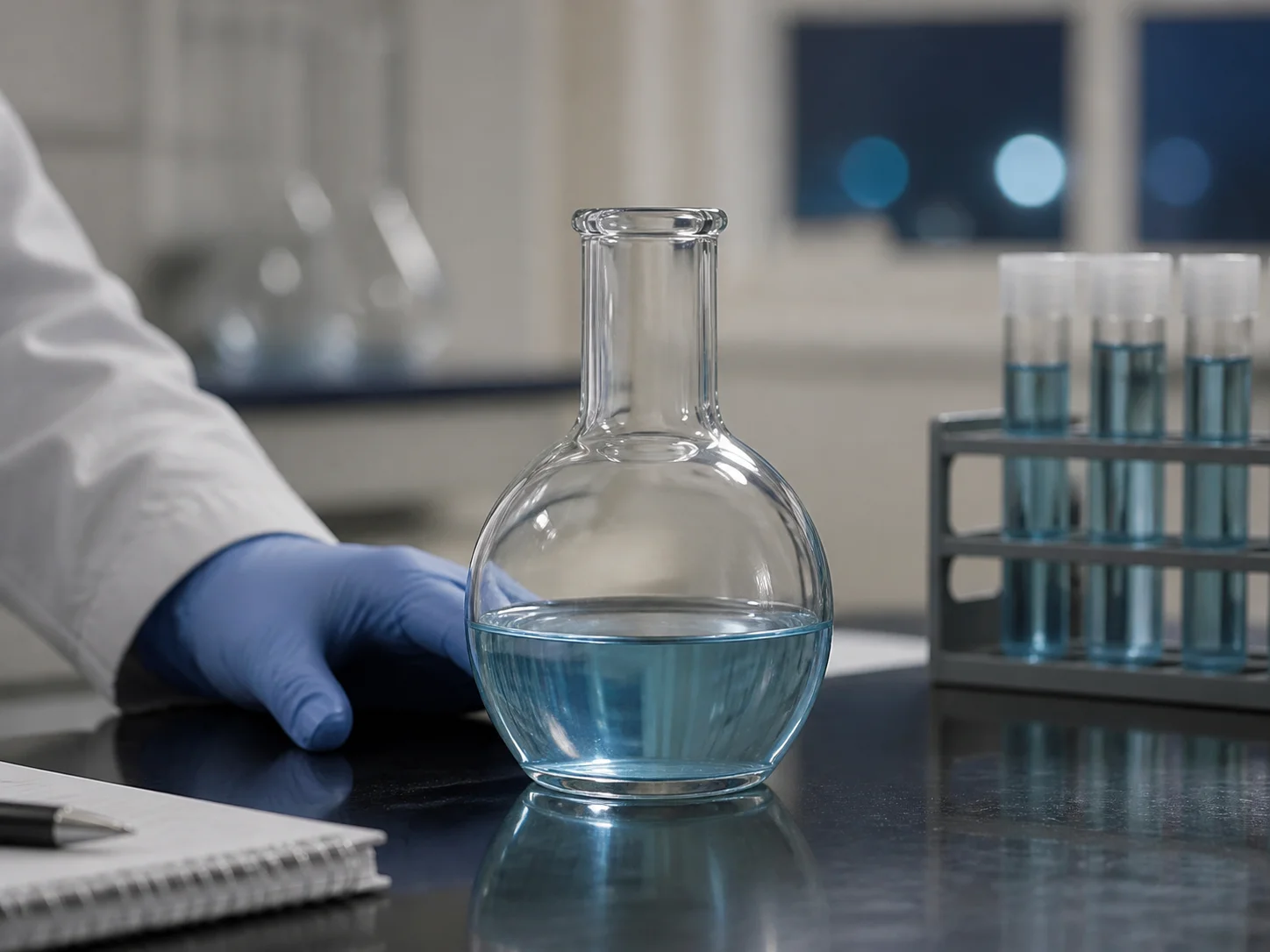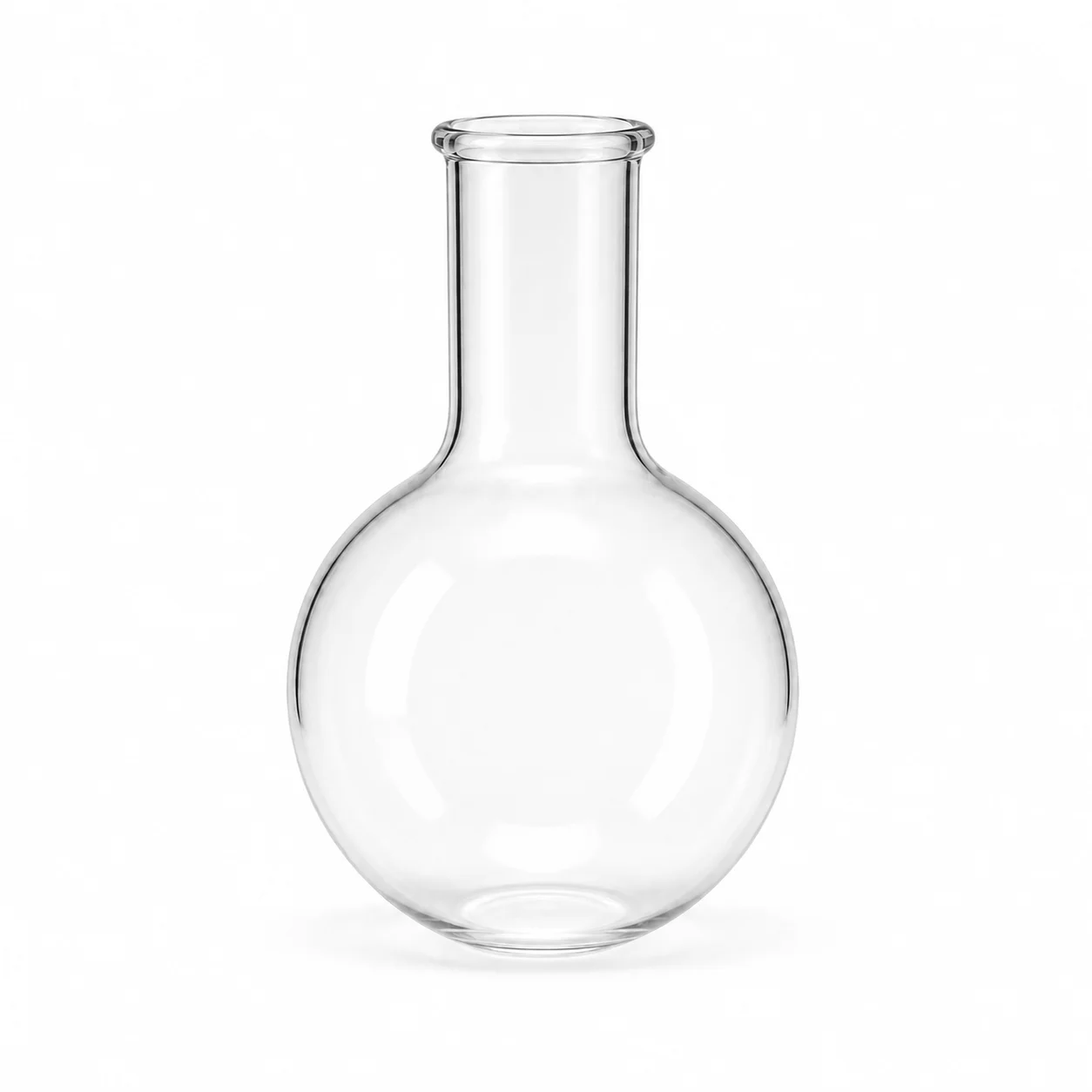
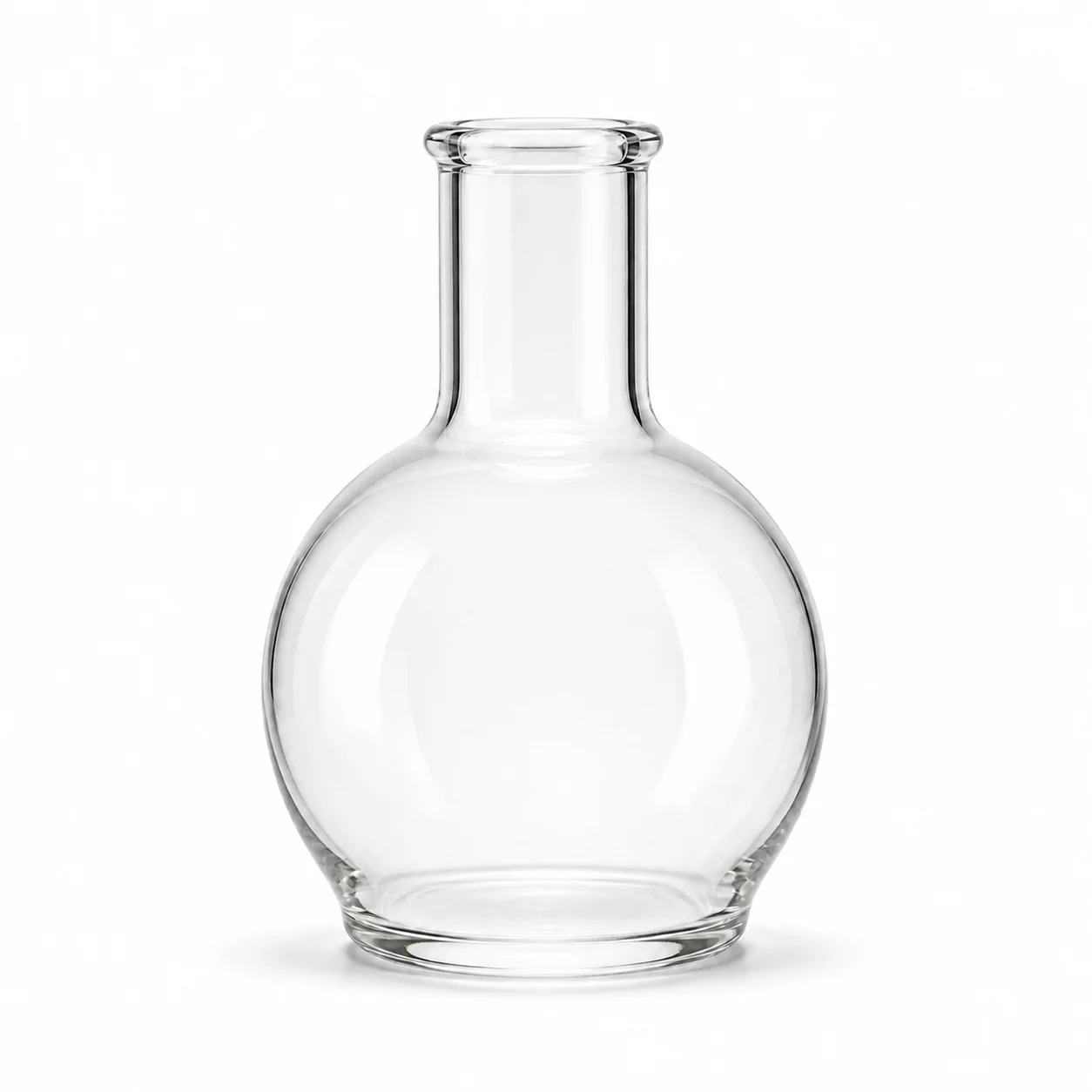
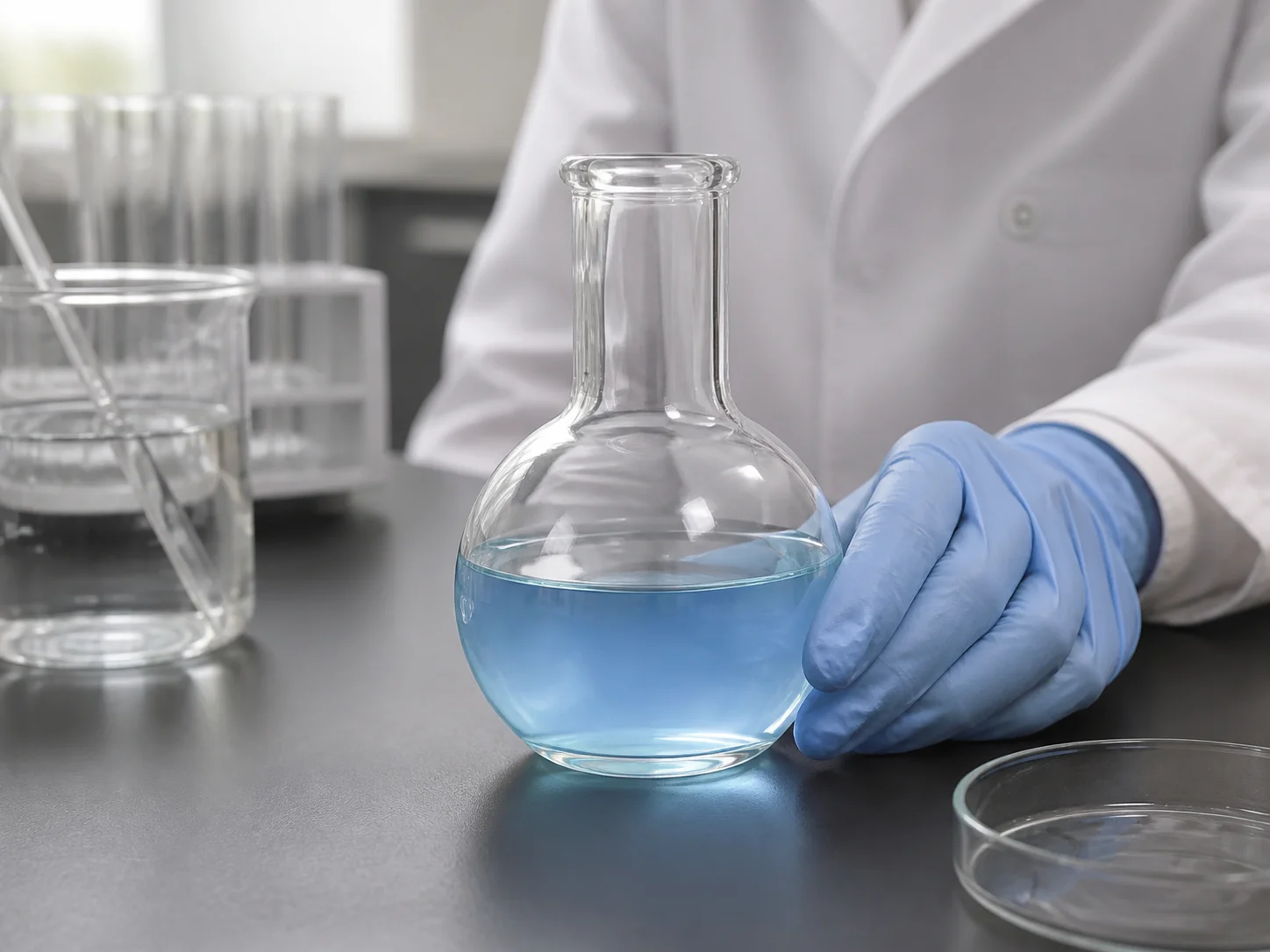
Flat-bottom flask with a rounded body, ground base and short straight neck
Shown configuration · flask alone / stopper, joint, contents and heating source not shown

Reaction & distillation glassware

Flat-bottom Flask

A flat-bottom boiling flask in borosilicate 3.3, made to ISO 24450 in wide-neck form and ISO 1773 in narrow-neck, keeping the round body but standing unaided.

Stands without a ringISO 24450 and ISO 1773Atmospheric duty only
Stock status
In stock
Lead time
2–3 weeks
FOB price / pc
$0.70 - $0.95
MOQ
10,000 pcs

Final availability, dimensions, materials, assembled components and commercial terms are confirmed against the selected drawing and approved sample.

Bench-stable by design

No cork ring, no clamp, no rolling

Round body, flat foot

Even wall above a ground standing surface

Not for vacuum

The flat base is the weak point

Flat-bottom Flask profile

It trades the one property that makes a round flask safe under vacuum for the one that makes it usable on a bench.

Standing surface, thermal behavior & duty limits

Where the flat base helps, and the one place it must not be taken.

A flat-bottom flask keeps the rounded body that heats evenly and adds a ground standing surface so it sits on a bench without support. That convenience is why it dominates media preparation, storage and teaching work. It also introduces a discontinuity in the wall at the base, and that is precisely where a vacuum would find it.

01

Vacuum belongs to the round-bottom flask

Under reduced pressure a spherical wall works in membrane stress, while a flat base is loaded in bending and concentrates that load at the corner radius. A flat-bottom flask is therefore an atmospheric vessel: fine for boiling, media preparation and storage, and the wrong choice for anything evacuated. That distinction is the main reason both shapes exist in the same catalog.

02

The base is ground, and grinding leaves a surface

The standing surface is finished flat so the flask does not rock, which introduces a worked area of glass that is more susceptible to scratching than the fire-polished body. Dragging a flask across a bench or a hotplate scores that surface, and a scored base under thermal cycling is where cracks begin. Lifting rather than sliding costs nothing and doubles the working life.

03

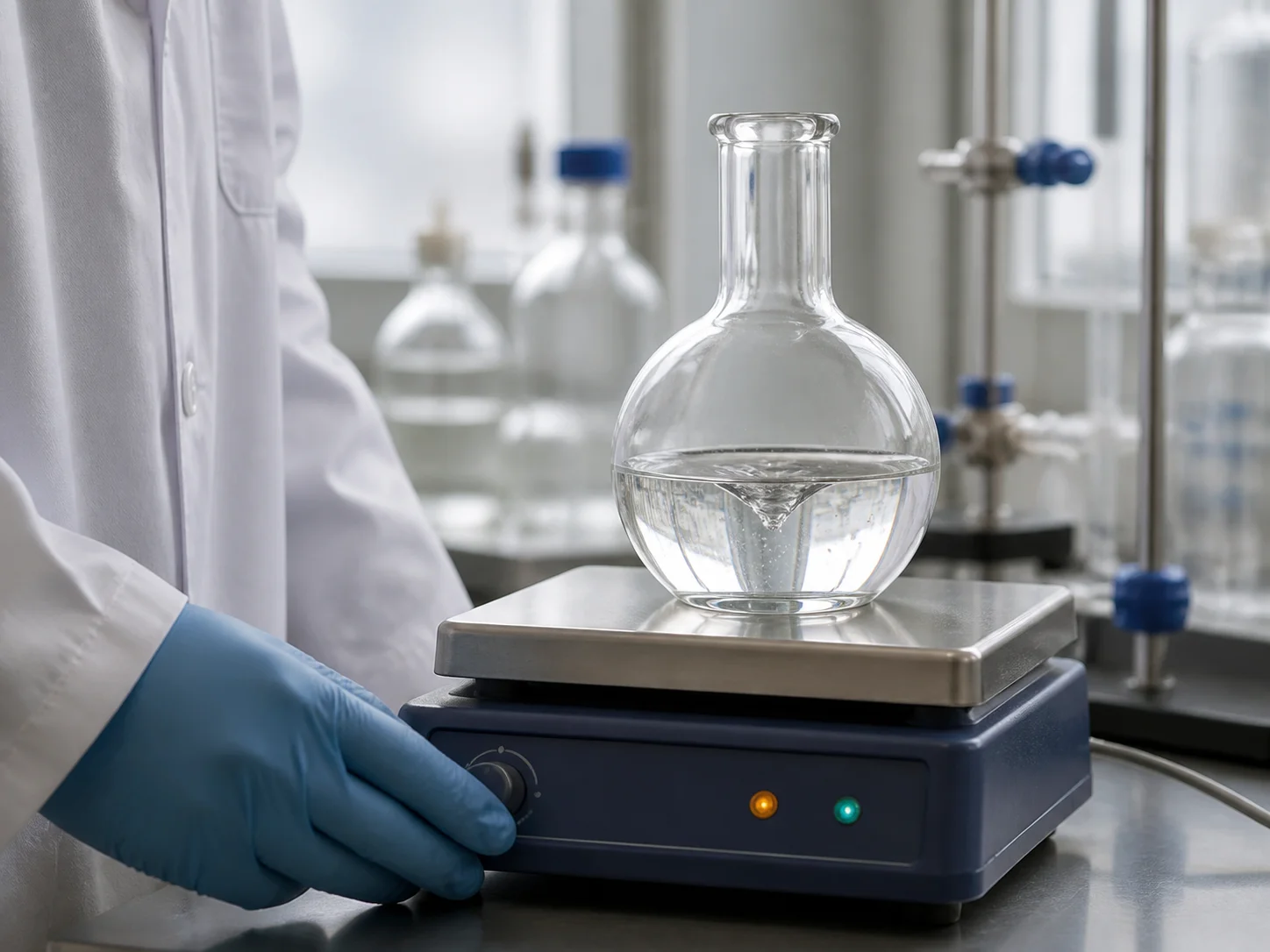
Direct heating is possible, with a gauze between

Because it stands, this flask can be heated on a plate or over a burner, which a round-bottom flask cannot. A wire gauze or a mantle spreads the heat and prevents a point contact under the base. Heating a flat-bottom flask directly on a bare hotplate is the routine cause of failure, and it happens because the shape makes it so easy to do.

04

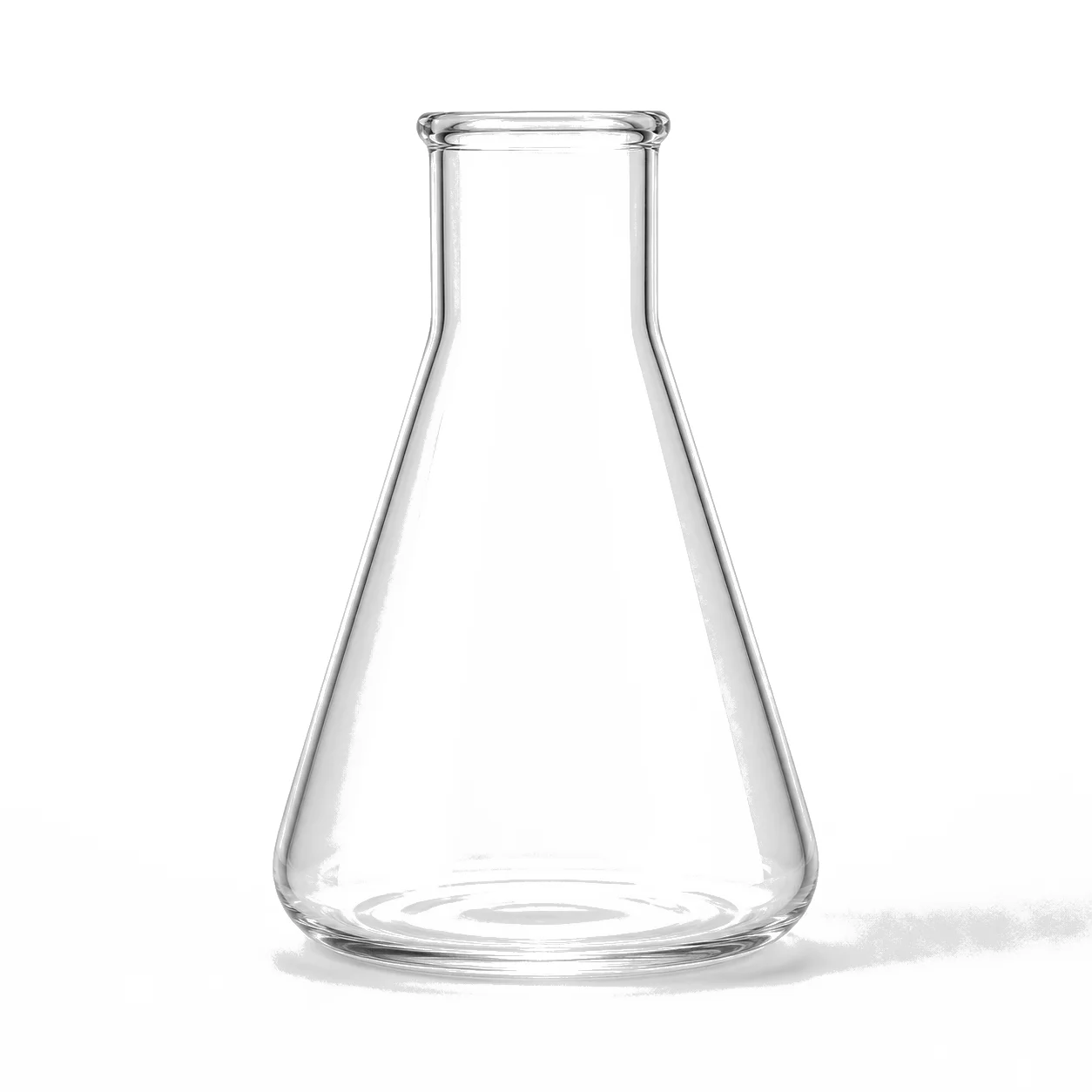
Neck form follows the same split as conical flasks

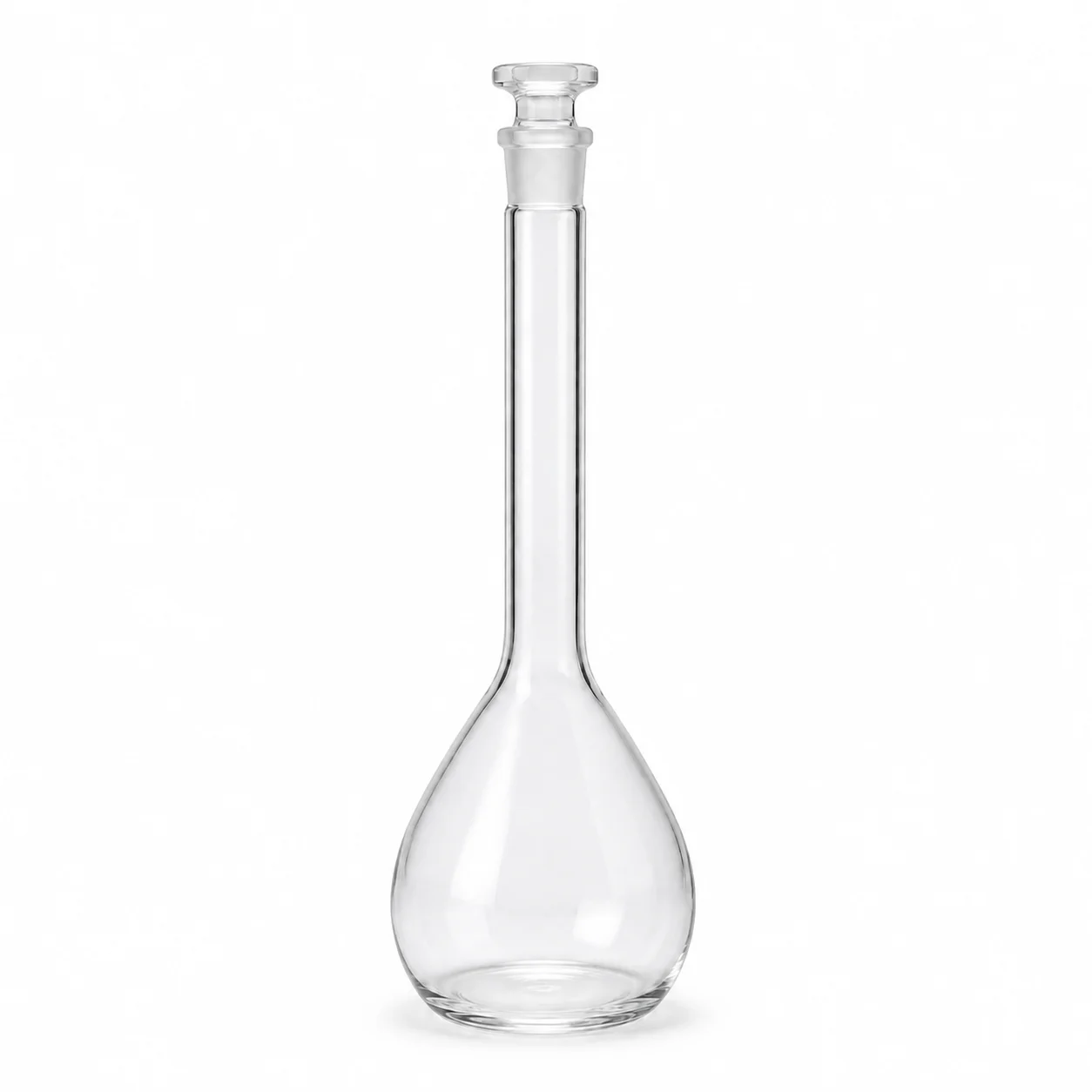
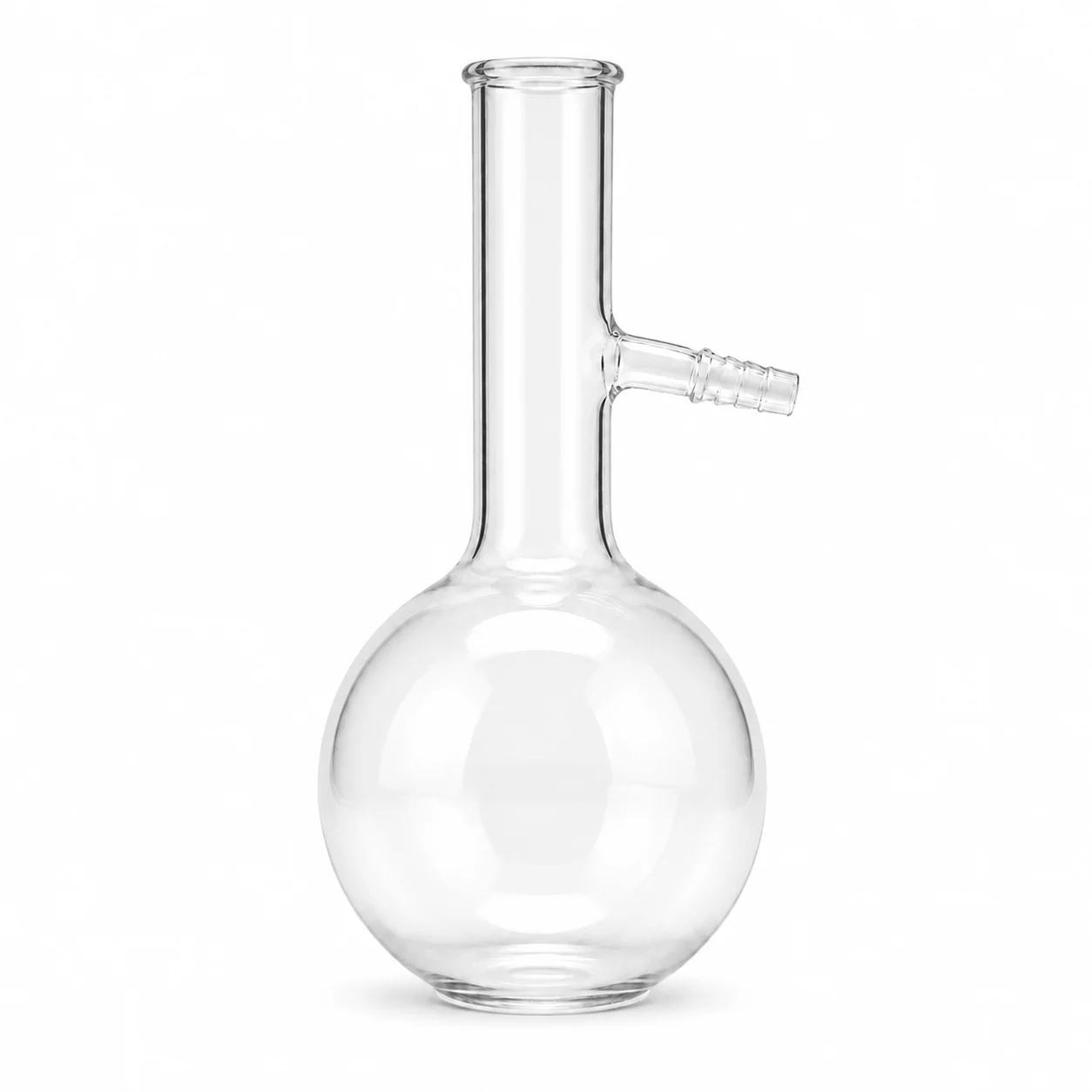
Wide-neck versions fall under ISO 24450 and narrow-neck under ISO 1773, and the choice follows what goes in: a wide neck accepts a spatula, a solid charge or a funnel, while a narrow neck restricts evaporation and takes a stopper securely. Ground-joint versions exist where the flask has to join a condenser or a stillhead.

05

Media preparation is where the shape earns its place

A flask that can be filled, autoclaved, cooled and stored standing on a shelf, all without a ring or a clamp, is worth a great deal in a laboratory that prepares media in volume. The rounded body still swirls a suspension properly, and the flat base means a full flask can be set down on any surface at any moment without a support in reach.

06

Check base flatness on the equipment you own

A base that is fractionally dished rocks on a magnetic stirrer and heats unevenly on a plate, which shows up as bumping in a near-boiling solution. Flatness varies more between suppliers than most buyers expect. Standing samples on your own stirrer, filled, is a two-minute check that predicts breakage and stirring behavior far better than a drawing does.
Application guide

A round body that can still stand on a bench.

The flat-bottom flask combines the even heating of a spherical body with a base that lets it sit unsupported, which is why it appears in setups where a round-bottom flask would need a stand for every step. These are development directions confirmed with the actual method.

Flat-bottom Flask used for flasks used without a support ring in a bench work setting

Bench work

Flasks used without a support ring

For procedures where a vessel is repeatedly set down between operations and nobody wants to reach for a cork ring each time. The flat base gives that convenience while the rounded body still distributes heat more evenly than a conical flask would over a mantle.

  • Confirm the base sits stably when full
  • Check heating evenness against the method
  • Review handling between steps
Flat-bottom Flask used for a flask a technician stands on the heat in a hotplates setting

Hotplates

A flask a technician stands on the heat

For work where someone sets the flask straight onto a plate because it stands by itself, which is the whole appeal of the shape. The flattened base is thinner and takes expansion less kindly than a curve, so a method that calls for hard heating is better served by a round bottom in a mantle.

  • Confirm the glass suits the heat applied
  • Prefer a round bottom for strong heating
  • Inspect the base for stress marks
Flat-bottom Flask used for a preparation left until the next morning in a overnight benches setting

Overnight benches

A preparation left until the next morning

For the analyst who finishes a step at six o'clock and leaves the flask standing until tomorrow, because it stands on its own. What closes it decides whether that is containment or just convenience, so the neck has to take a stopper and the group needs a rule on how long anything may wait.

  • Confirm the neck accepts a stopper
  • Decide how the flask is closed
  • Limit how long contents are held

Applications describe development directions. Method suitability, thermal performance and laboratory outcomes are confirmed for the selected program.

Common questions

Flat-bottom Flask questions

One shape, one hard limit, and a few habits that decide how long they last.

Why does the base scratch so easily?

Because it is ground flat rather than fire polished, so the standing surface is worked glass and more vulnerable than the body. Dragging a flask across a bench or hotplate scores it, and a scored base under thermal cycling is where cracks start. Lifting instead of sliding costs nothing and makes a visible difference to how long a set survives.

Can it go straight onto a hotplate?

Over a gauze or in a matched mantle, yes. Directly onto a bare plate is the routine cause of failure, because the contact is uneven and a hot spot develops under the base. The shape makes direct heating so convenient that it happens anyway, which is why the gauze is worth keeping physically next to the hotplate rather than in a drawer.

Are these suitable for autoclaving media?

Yes, within the service range of the glass and vented rather than sealed. It is one of the main reasons the form persists: a flask can be filled, autoclaved, cooled and stored standing on a shelf with no ring or clamp anywhere in the process, while the rounded body still swirls a suspension properly when it is needed.

How flat is flat enough?

Flat against your own equipment. Base flatness is a specification rather than an assumption, and a flask that rocks on one hotplate can sit perfectly on another. Check the flasks on the stirrers and mantles actually in the laboratory before committing to a supplier.

Next step

Send us the Flat-bottom Flask brief.

Tell us the product, fill volume, closure preference and destination market. We will come back with the matching drawings, available configurations and a sample plan before anything is quoted.

  • 01Send the briefProduct, volume, closure and market
  • 02Get the optionsMatching drawings and configurations
  • 03Approve the sampleConfirm the pack before production