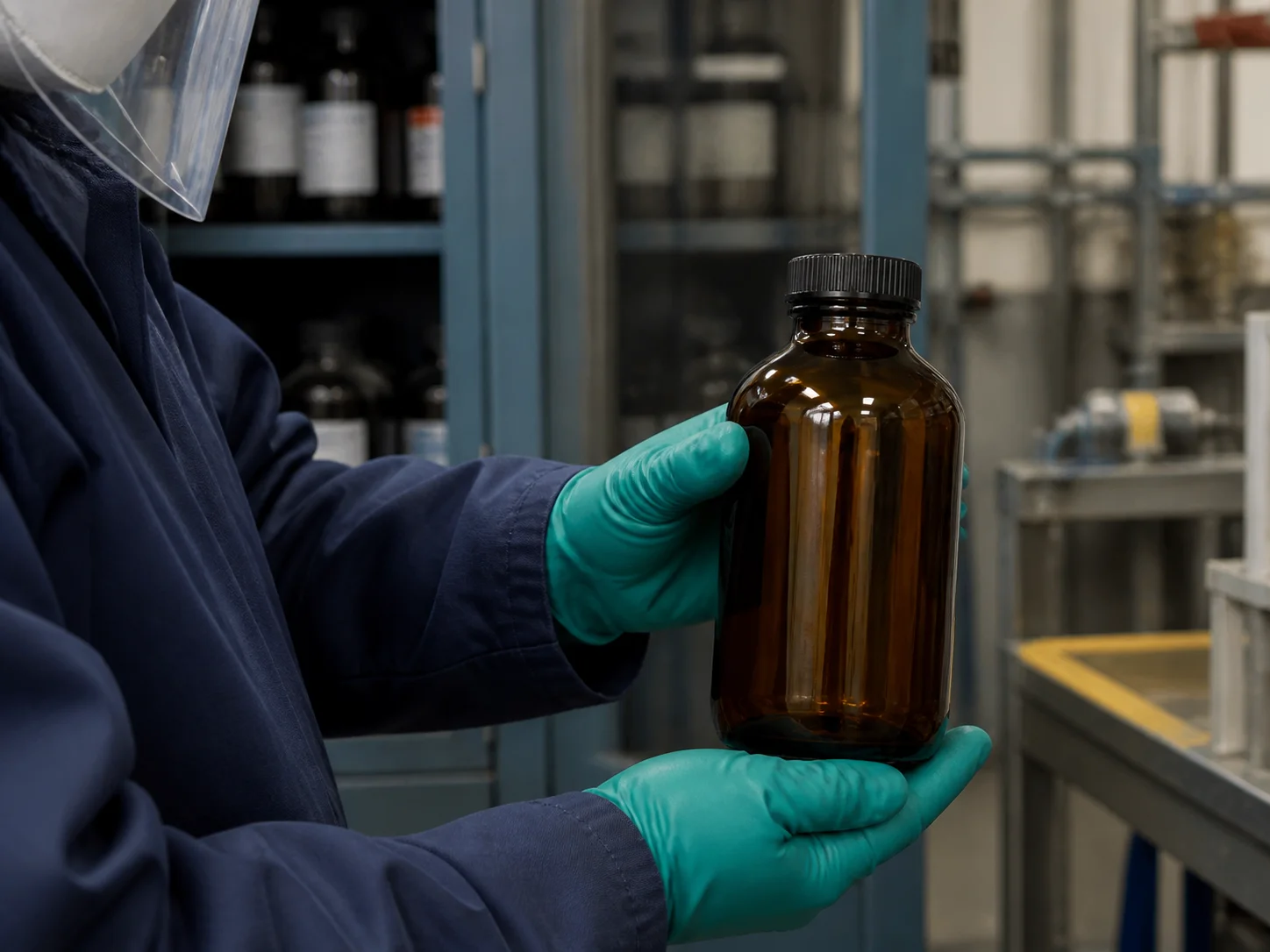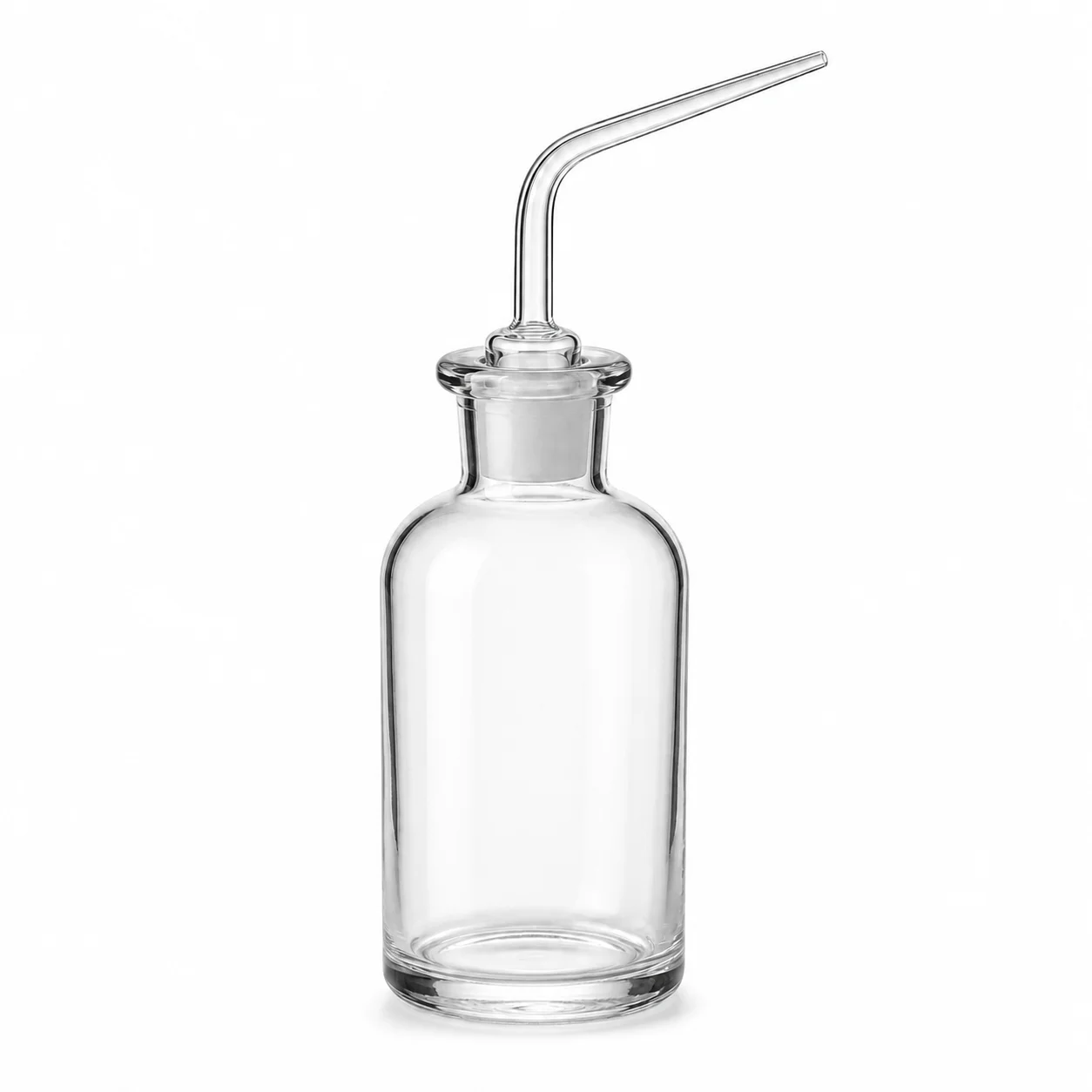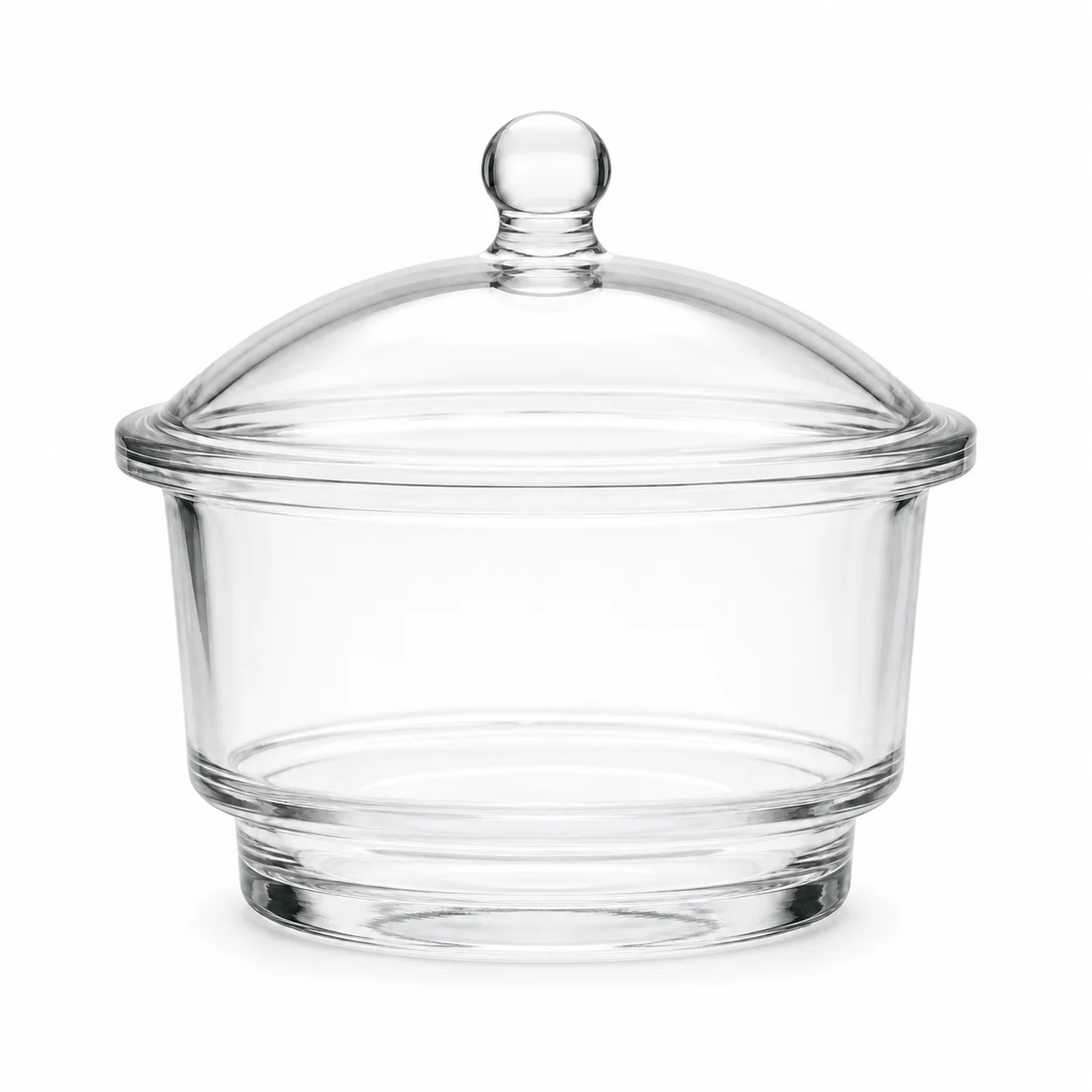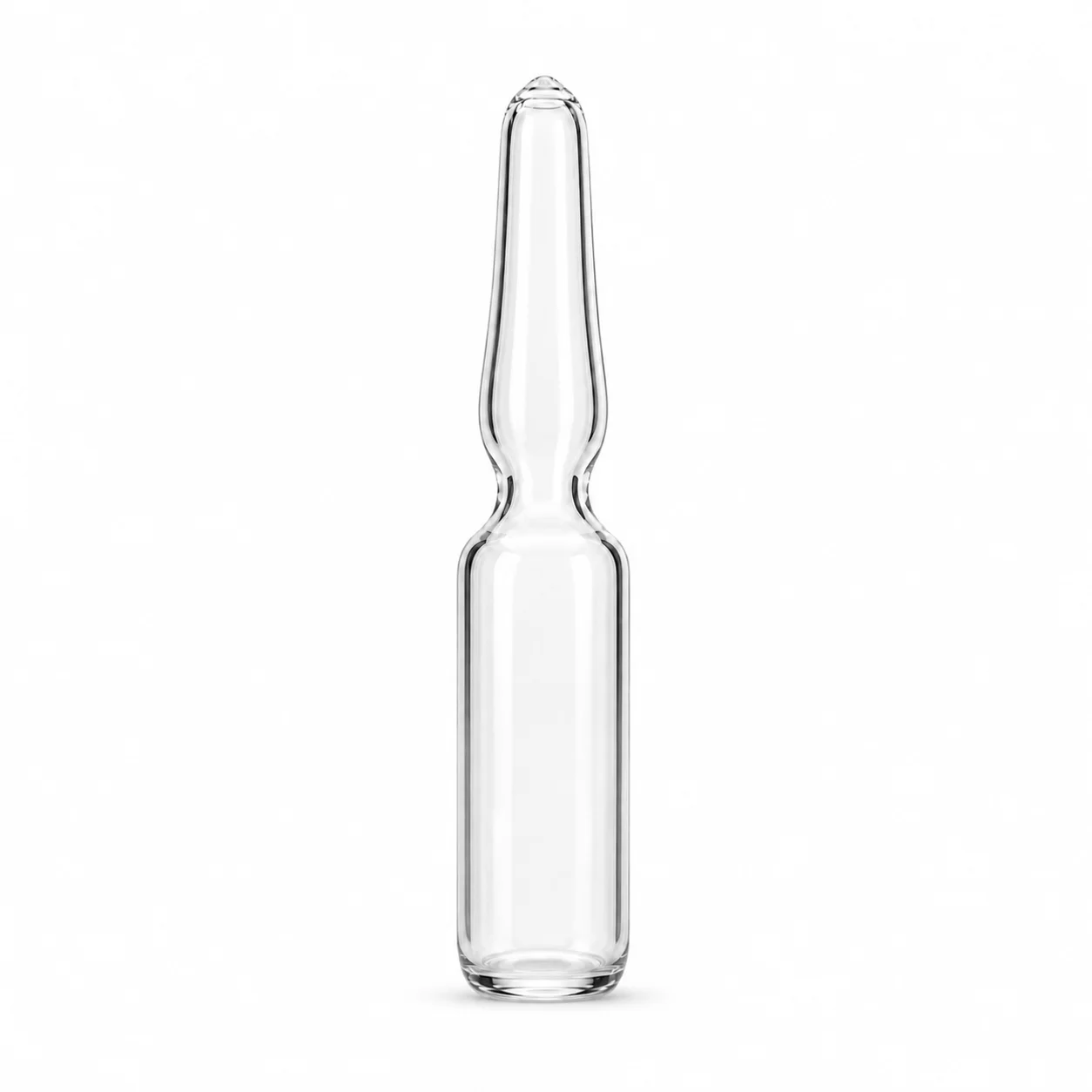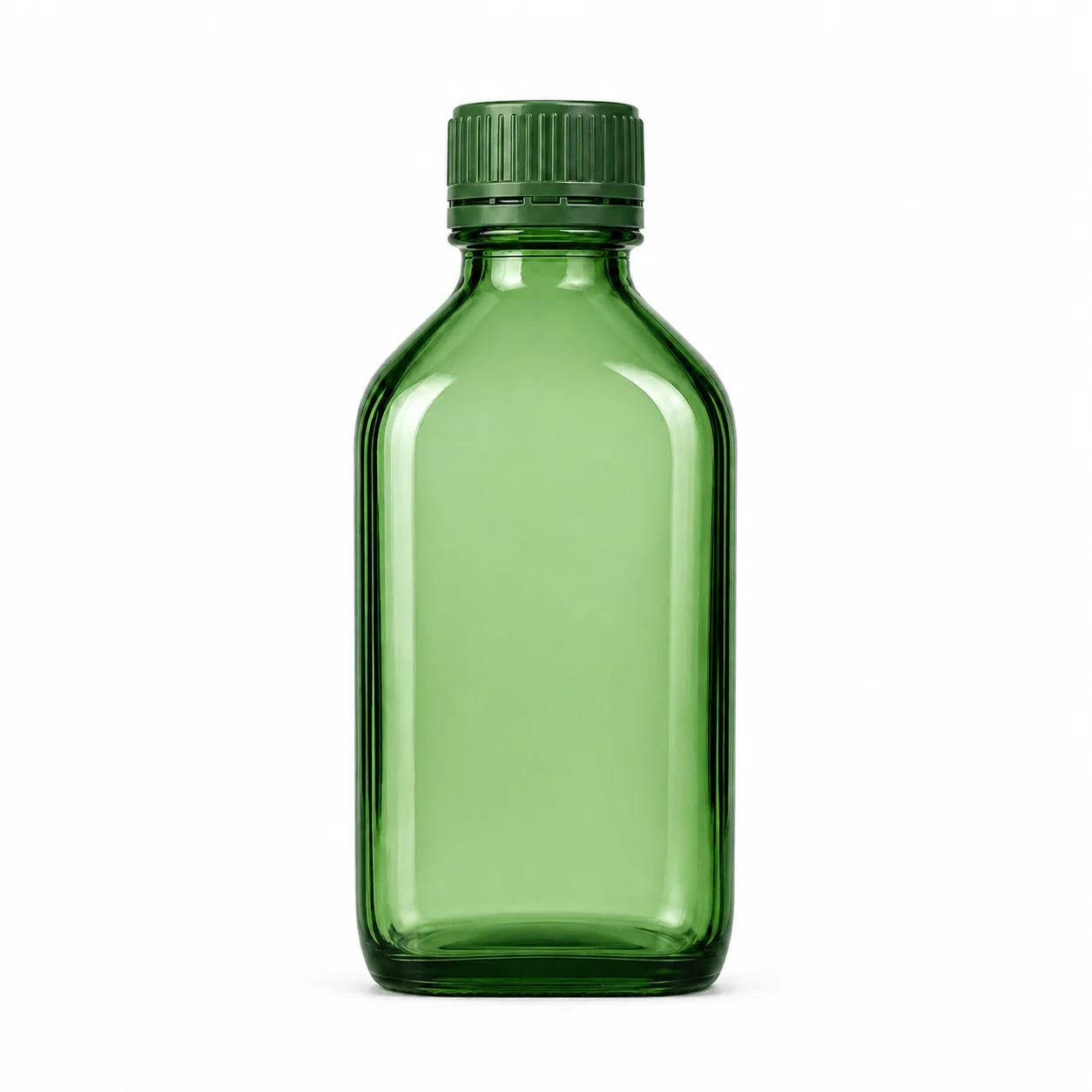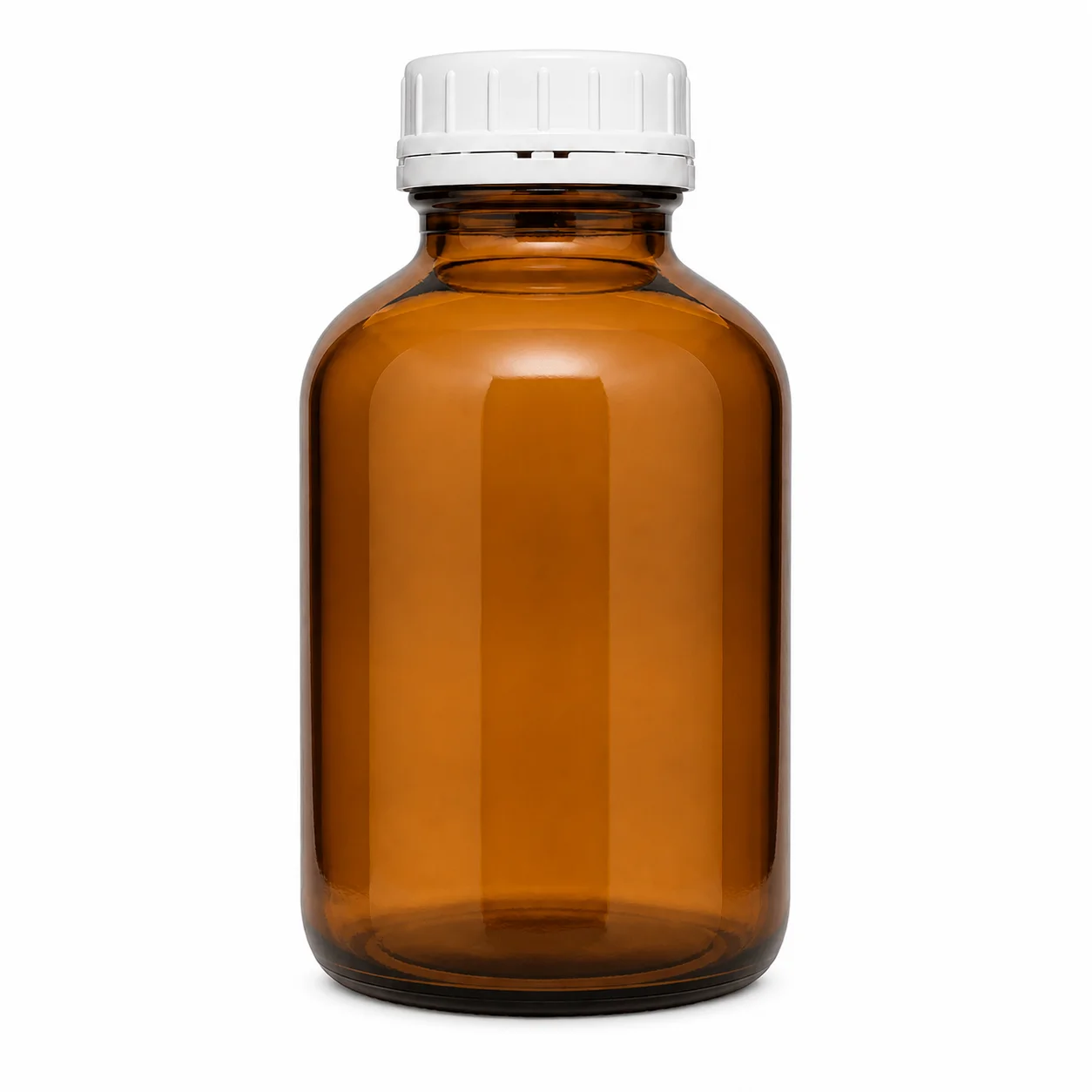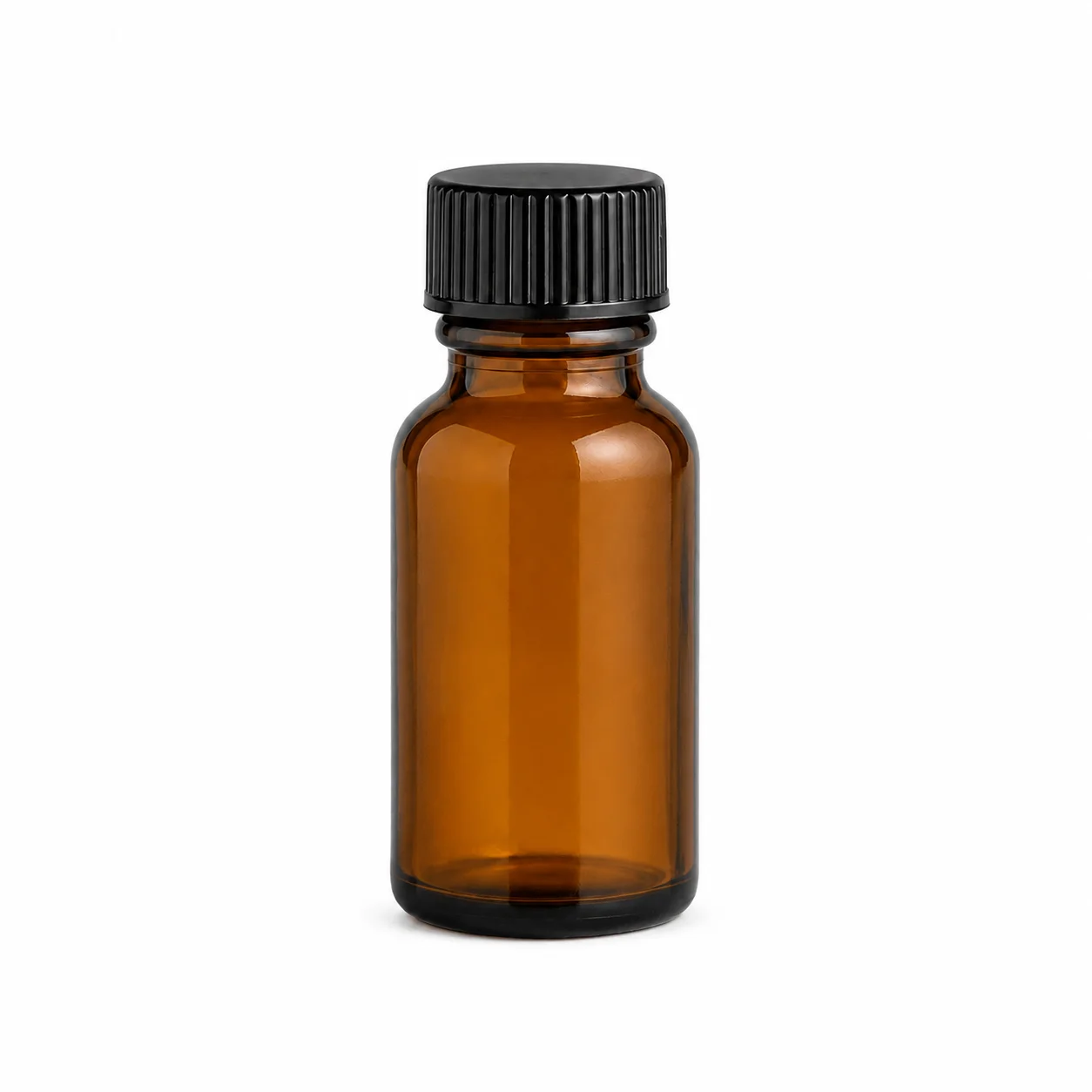
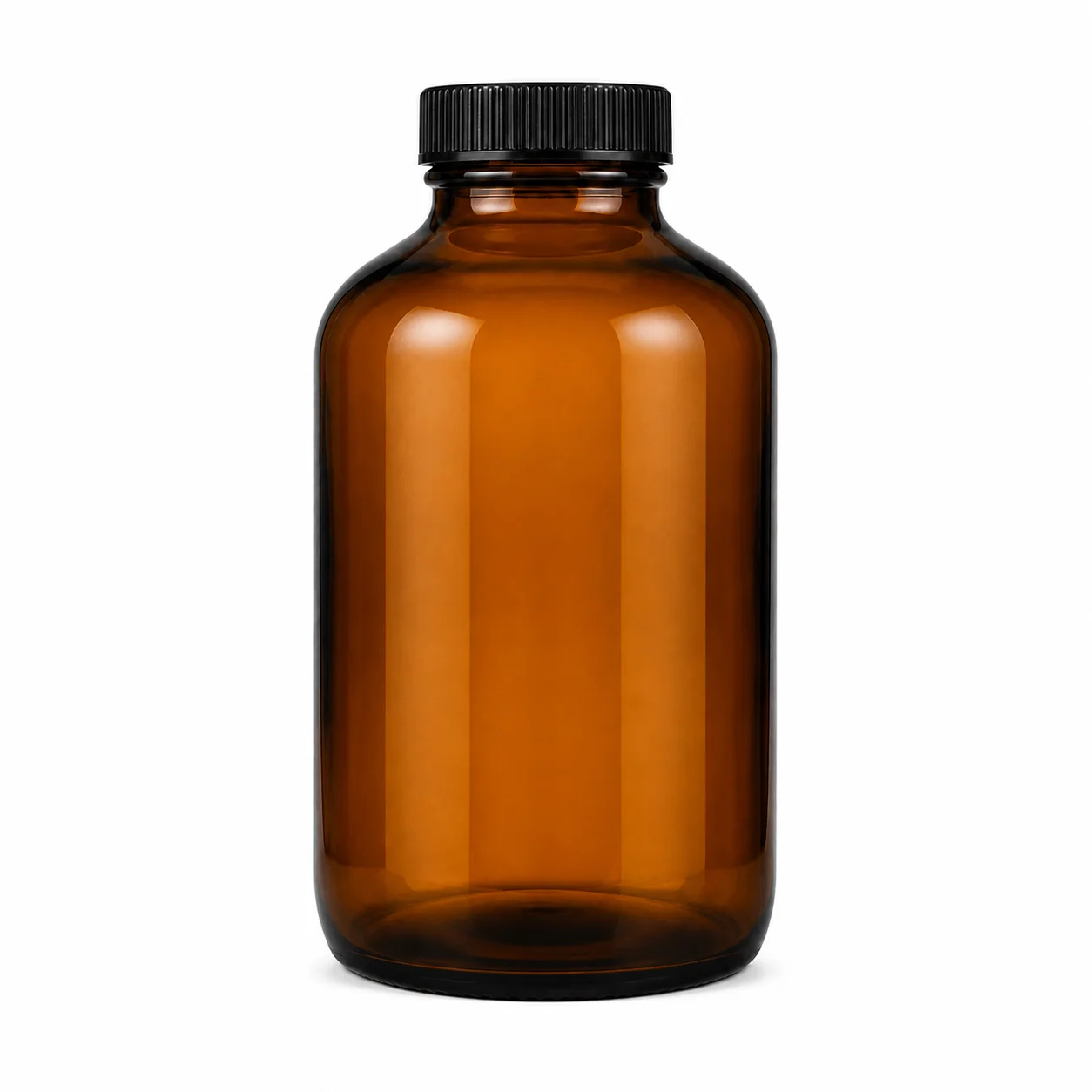
Amber wide-shoulder bottle with a black ribbed screw cap
Shown configuration · bottle with cap / contents, liner, label, box and cushioning not shown

Chemical distribution packaging

Industrial Chemical Bottle

A shipping bottle for chemicals sold in liter-scale quantities, specified around transport regulation and outer packaging rather than around bench convenience.

Shipped in an approved outerClosure torque specifiedAmber and flint bodies
Stock status
In stock
Lead time
2–3 weeks
FOB price / pc
$0.15 - $0.55
MOQ
5,000 pcs

Final availability, dimensions, materials, assembled components and commercial terms are confirmed against the selected drawing and approved sample.

The box is part of the pack

Glass ships inside a tested combination

Torque is a shipping spec

Under-tightened caps leak in transit

Weight drives the design

A full 2.5 L bottle is carried, not slid

Industrial Chemical Bottle profile

Once a bottle leaves the building, the outer packaging is half the specification.

Transport packaging, closure control & handling

Five things the bench specification leaves out.

A chemical bottle sold into distribution has to survive a warehouse, a courier and a customer's goods-in area. That makes the outer carton, the cushioning, the closure torque and the label as much part of the pack as the glass. A bottle specified only on capacity and color will be the one that arrives leaking.

01

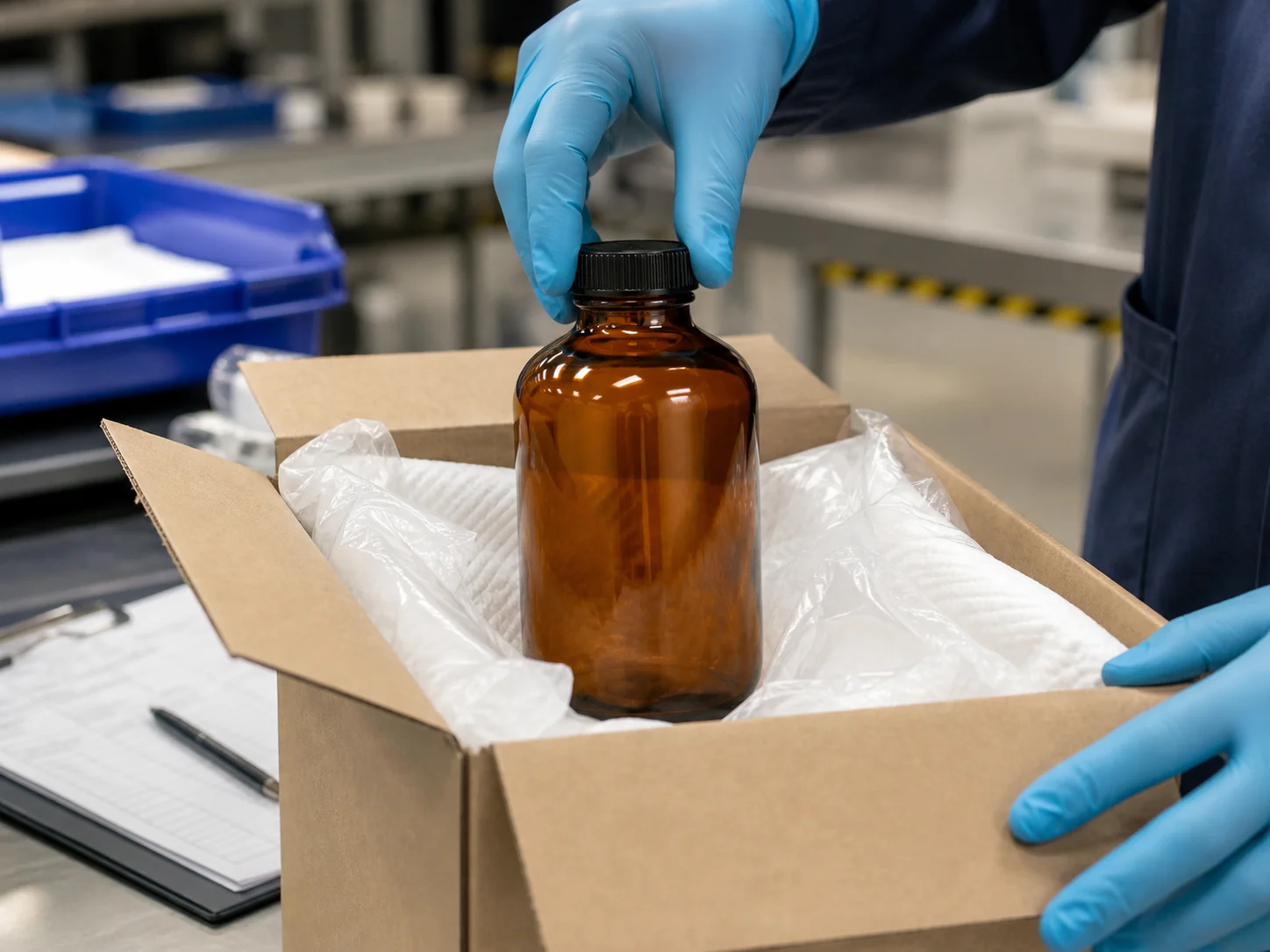
Glass travels as part of a combination package

Dangerous goods in glass are shipped inside an outer packaging with cushioning and, where required, absorbent, and the combination is what is tested and marked rather than the bottle alone. Changing bottle dimensions changes the fit in that outer, which is why a bottle substitution that looks harmless can invalidate a packaging arrangement that took months to approve.

02

Closure torque is a transit specification

A cap tightened by hand at filling relaxes over the following day as the plastic creeps, and a bottle that started marginal arrives loose. Application torque is set with a gauge and removal torque checked after storage, exactly as for any production line. In distribution the consequence of getting it wrong is a leaking box rather than a stained bench.

03

Weight decides the handling design

A 2.5 L bottle of a dense solvent weighs several kilograms, and it will be lifted from a carton by one hand. Body shape, shoulder profile and whether a carry handle or a shrink-wrapped tray is provided all follow from that. Bottles that are comfortable on a bench and awkward to lift out of a box generate breakages at the customer rather than at the filler.

04

Labels have to survive the journey and the year after

A transport label is exposed to abrasion in a carton, to condensation in an unheated warehouse and often to the product itself. Chemical-resistant stock and a laminate cost little; an unreadable hazard label on arrival is a rejection at goods-in. The label specification belongs with the bottle rather than being handled separately downstream.

05

Headspace is left deliberately

Liquids expand with temperature, and a bottle filled to the shoulder in a cool filling room will push against its closure in a hot vehicle. Filling to a defined ullage, rather than to a visual level, is standard for shipped chemicals. It also gives the pack somewhere to go if it is left in the sun on a loading dock.

06

An empty bottle is not a clean bottle

Residue clinging to the wall keeps the container within the classification of what it held, so an emptied bottle still carries handling, labeling and disposal obligations. Planning what happens to the container after use belongs in the specification, because the alternative is a drum of unrinsed glass nobody will accept.
Application guide

Industrial chemicals are shipped, and shipping is regulated.

Once a chemical is classified as hazardous, the packaging stops being a commercial choice and becomes a compliance matter governed by transport rules that differ by mode and destination. These are development directions confirmed against those requirements.

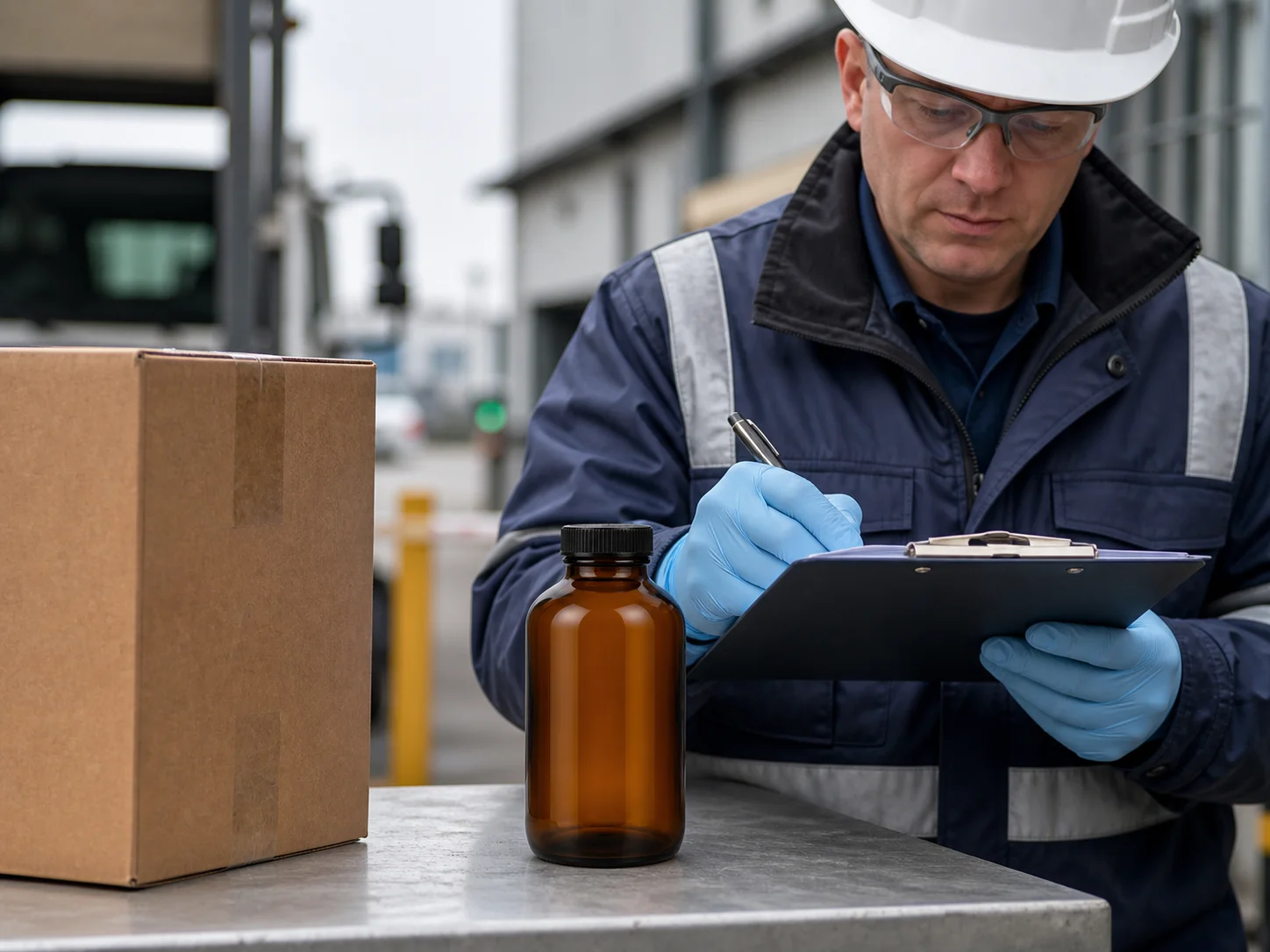
Industrial Chemical Bottle used for a delivery signed for at a plant gate in a goods-in bays setting

Goods-in bays

A delivery signed for at a plant gate

For solvents and specialty chemicals arriving at a factory or laboratory, where staff check the seal and the identification before anything is booked into stock. Amber suits contents that move in light, and it is usually the closure liner rather than the glass that decides what can be packed at all.

  • Confirm the liner against the chemical
  • Match the tint to the light sensitivity
  • Check compatibility before filling
Industrial Chemical Bottle used for packaging that has to be approved in a transport rules setting

Transport rules

Packaging that has to be approved

Hazardous goods move under transport regulations that specify tested packaging, combination packing, absorbent material and marking, and glass inners are normally shipped inside an approved outer for exactly that reason. The requirement follows from how the chemical is classified rather than from anything about the container itself.

  • Establish the classification first
  • Confirm approved packing requirements
  • Specify absorbent and outer packaging
Industrial Chemical Bottle used for labels that must survive the chemical they name in a plant storerooms setting

Plant storerooms

Labels that must survive the chemical they name

A label attacked by the very solvent it identifies leaves behind an unlabeled container of unknown chemical, which is a serious problem anywhere and a dangerous one on an industrial site. Label material and adhesive therefore have to be chosen against realistic splash exposure to the contents rather than for appearance.

  • Test labels against the chemical
  • Confirm hazard marking requirements
  • Keep identification legible in use

Applications describe packaging directions. Chemical compatibility, transport compliance and regulatory outcomes are confirmed for the selected program.

Common questions

Industrial Chemical Bottle questions

Distribution packaging fails in transit, not on the bench. These are the usual causes.

Can we change bottle supplier without changing anything else?

Only if the dimensions match. Dangerous goods in glass ship inside a tested outer packaging with cushioning, and the combination rather than the bottle is what is approved and marked. A bottle a few millimeters different changes the fit and the cushioning behavior, which can invalidate an arrangement that took months to put in place.

Why do caps arrive loose when they were tight at filling?

Plastic creeps. A cap tightened by hand relaxes over the following day, so a closure that started marginal arrives loose after a journey. Set application torque with a gauge and check removal torque after storage rather than on the line. In distribution the consequence of a low reading is a leaking carton at a customer's goods-in.

How full should shipped bottles be?

To a defined ullage rather than to a visual level. Liquids expand with temperature, and a bottle filled to the shoulder in a cool filling room presses on its closure in a hot vehicle or on a sunlit loading dock. Leaving deliberate headspace is standard for shipped chemicals and costs nothing but a change to the filling setpoint.

Does bottle shape matter for distribution?

More than for bench use. A 2.5 L bottle of dense solvent weighs several kilograms and will be lifted out of a carton one-handed. Shoulder profile, body shape and whether a handle or tray is provided all follow from that. Bottles that are pleasant on a bench and awkward to lift generate breakages at the customer rather than the filler.

Is an empty bottle a clean bottle?

No, and treating it as one causes incidents. Residue and vapor remain after a container is emptied, which matters for disposal, for reuse and for anyone handling it downstream. Specify the decontamination route alongside the pack.

Next step

Send us the Industrial Chemical Bottle brief.

Tell us the product, fill volume, closure preference and destination market. We will come back with the matching drawings, available configurations and a sample plan before anything is quoted.

  • 01Send the briefProduct, volume, closure and market
  • 02Get the optionsMatching drawings and configurations
  • 03Approve the sampleConfirm the pack before production