Sealing methods, opening control & filling constraints
Six things that decide whether an ampoule program works in practice.
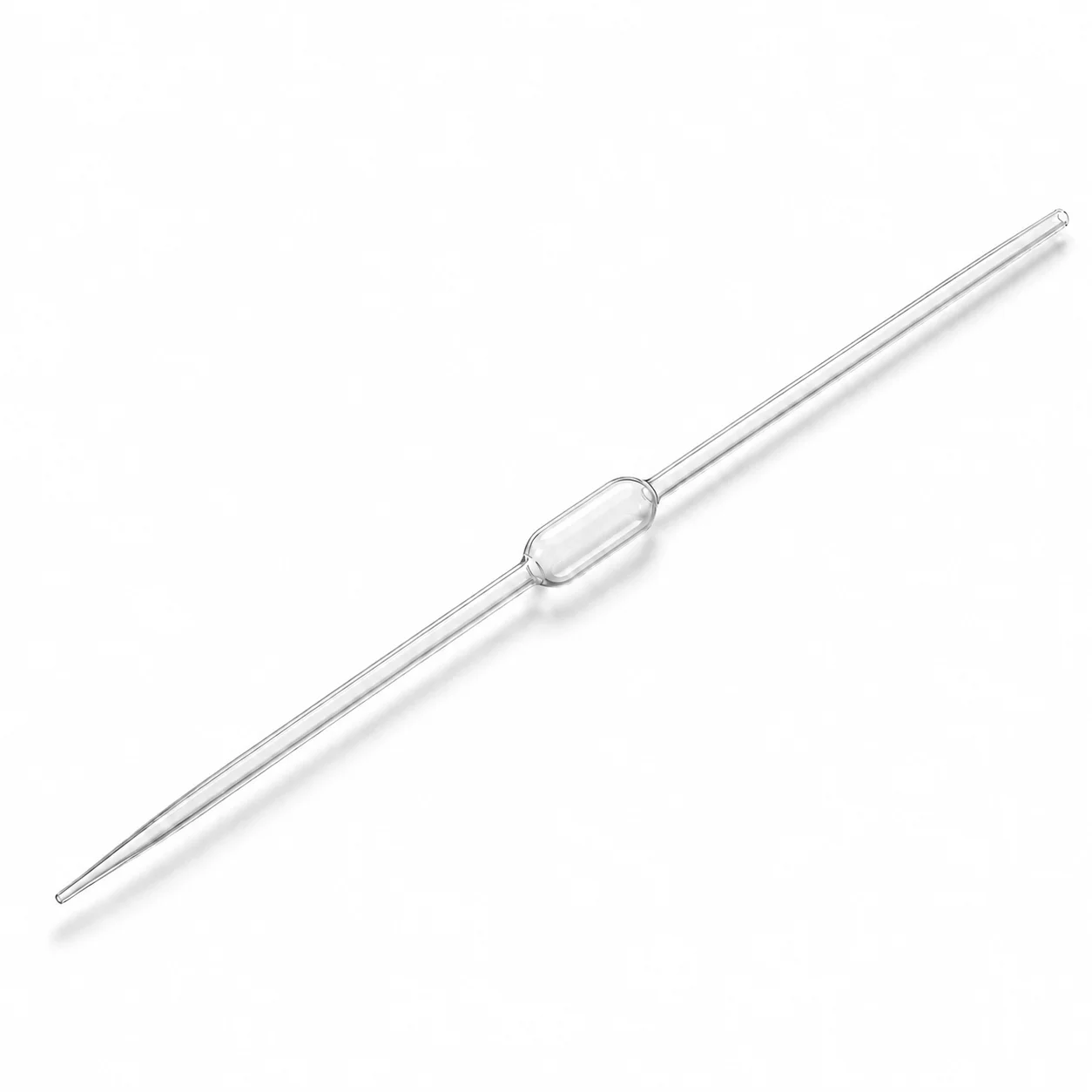
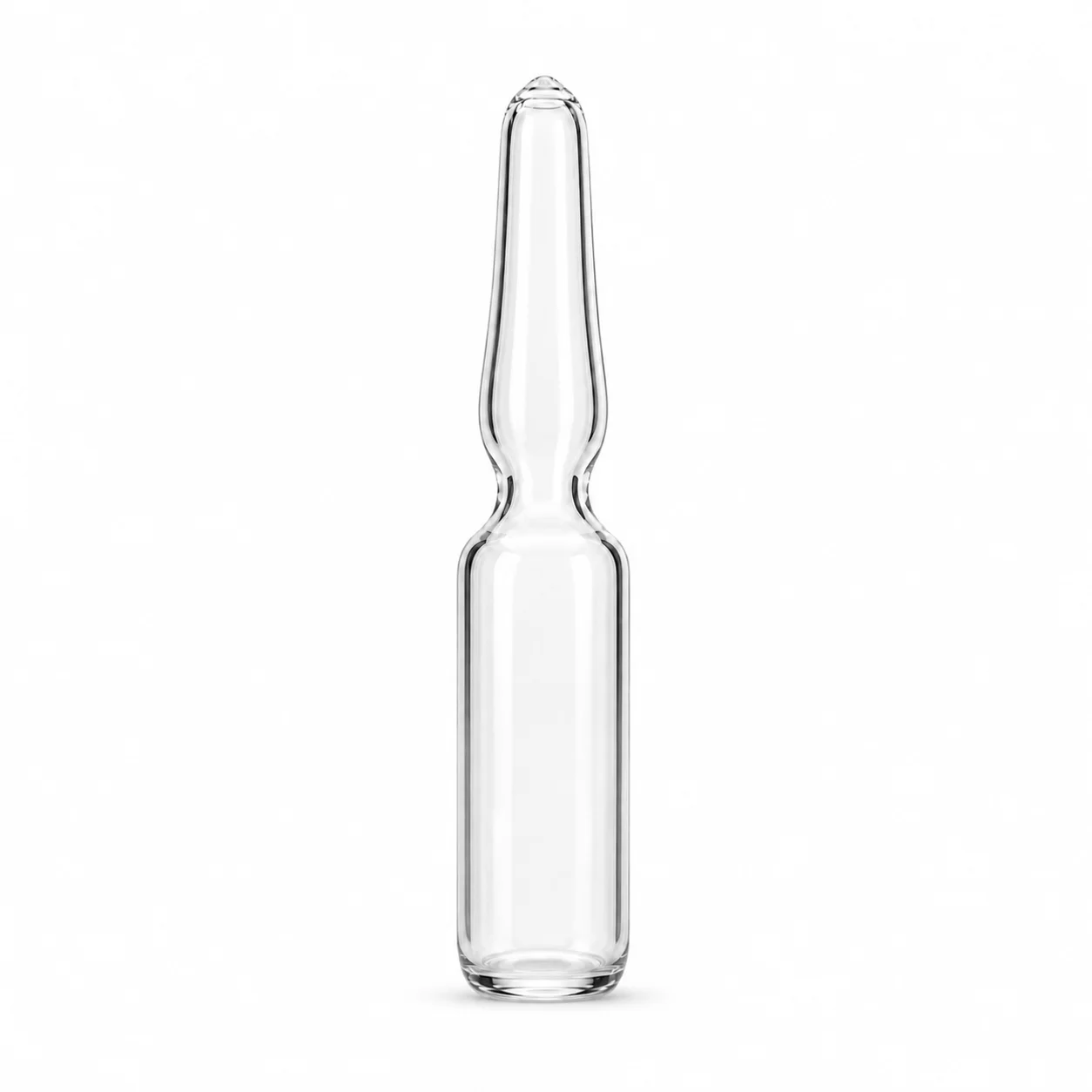
An ampoule is filled and then closed by melting its own stem shut. There is no cap, no liner and no interface for anything to permeate through, which is why the format survives for reference standards, reactive reagents and anything that must be exactly as it was on the day it was sealed. Opening it destroys it.
ISO 9187 describes the forms, and the forms differ
The standard covers forms B, C and D, with and without a color break ring, and a second part addresses one-point-cut ampoules. The differences are in the stem and shoulder geometry, which changes how the ampoule fills, how it seals and how it breaks. Quoting a capacity without a form leaves all three of those undefined.
Tip seal and pull seal are not the same product
A tip seal melts the end of the stem closed and is quick; a pull seal draws the softened stem out and away, giving a cleaner, more uniform closure and less risk of a pinhole. Pull sealing costs more time per unit and is the usual choice where the contents are valuable or the seal has to be verified. The decision affects the machine as much as the glass.
Controlled breaking is designed, not left to the user
A one-point-cut score and a color break ring together tell the user where to snap and weaken the glass at that line, so the ampoule opens cleanly without a file. Without them, breaking is uneven, produces glass fragments in the contents and cuts hands. The ring is also the visual cue people actually respond to, which is why color choice is a specification item.
The heat of sealing reaches the contents
Fusing the stem puts a flame within centimeters of the liquid. Volatile and heat-sensitive contents are protected by filling below the shoulder, by cooling the body during sealing and sometimes by an inert gas purge. Any of these changes the fill volume and the cycle time, so the sealing method is settled alongside the formulation rather than afterwards.
Residue on the stem ruins the seal
Liquid splashed up the stem during filling carbonizes when the flame reaches it, leaving a black speck in the seal and, often, a pinhole. Filling needles that reach below the shoulder, and a slow final fill, prevent it. It is the most common cause of leakers in an ampoule line, and it is a filling problem rather than a glass one.
A sealing fault is invisible until it is tested for
A badly formed tip can look perfect and still admit air over weeks. Sealed ampoules are therefore checked as a batch, commonly by immersion in dye under vacuum so that any leak draws color inside. Skipping that step means the first evidence of a bad seal is a failed sample months later.