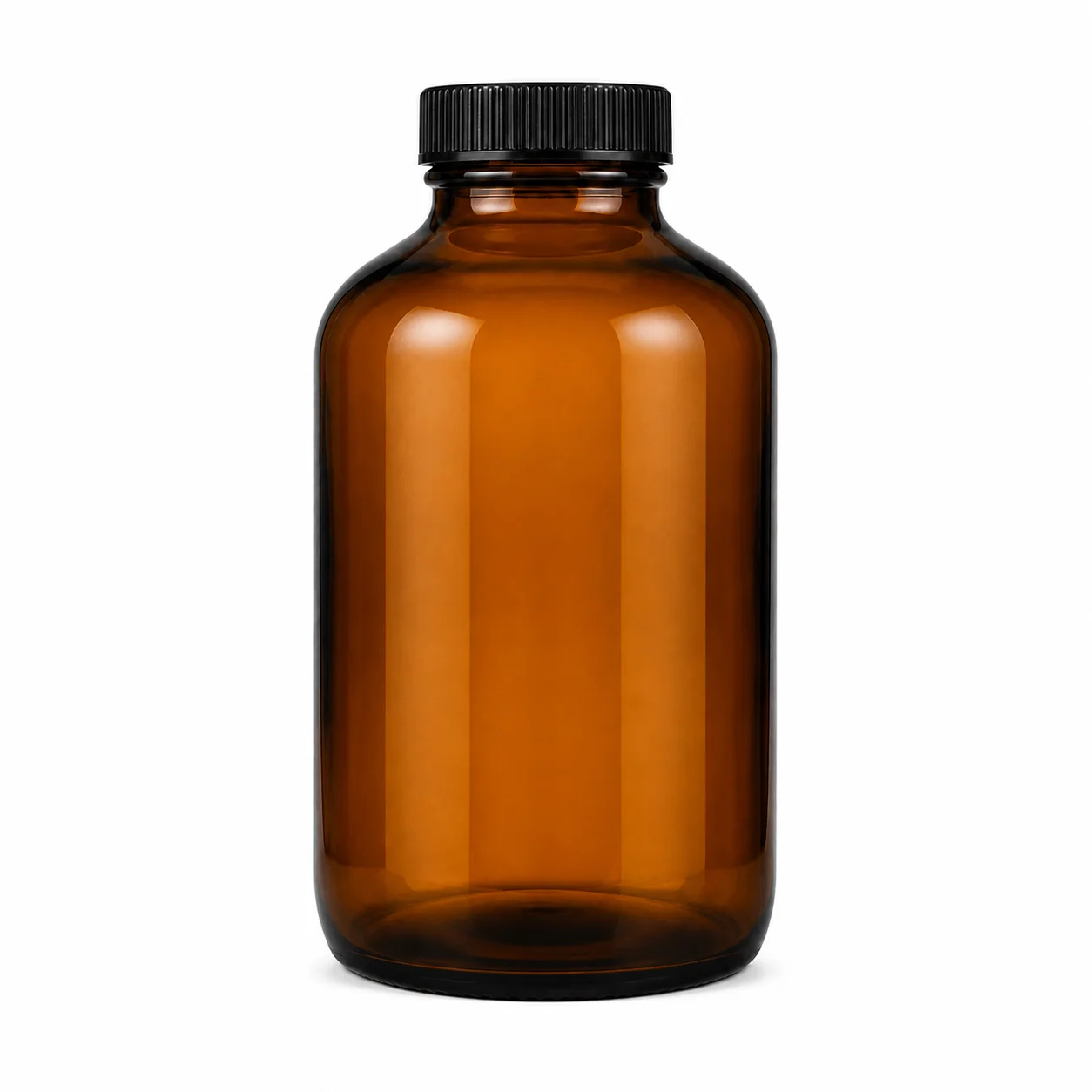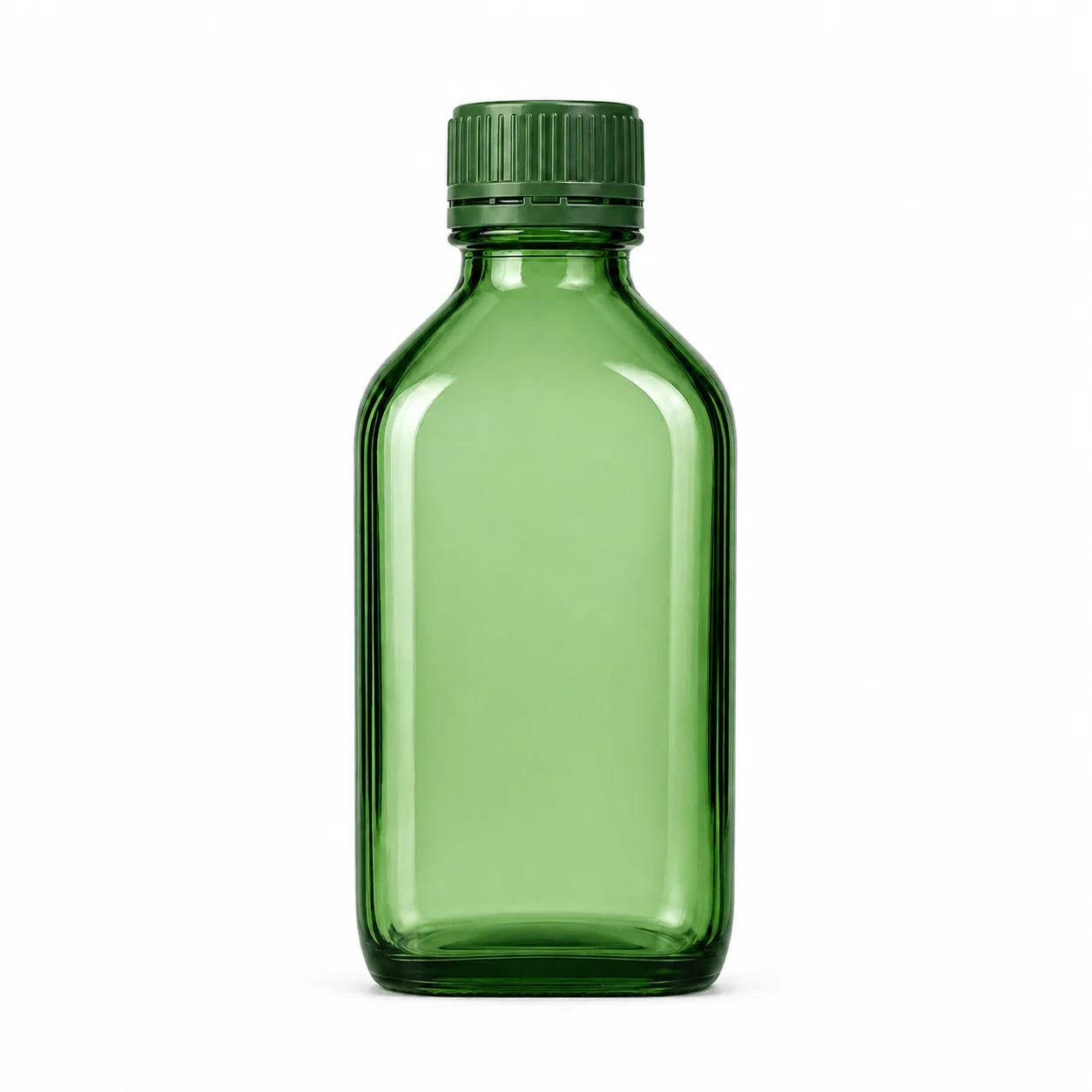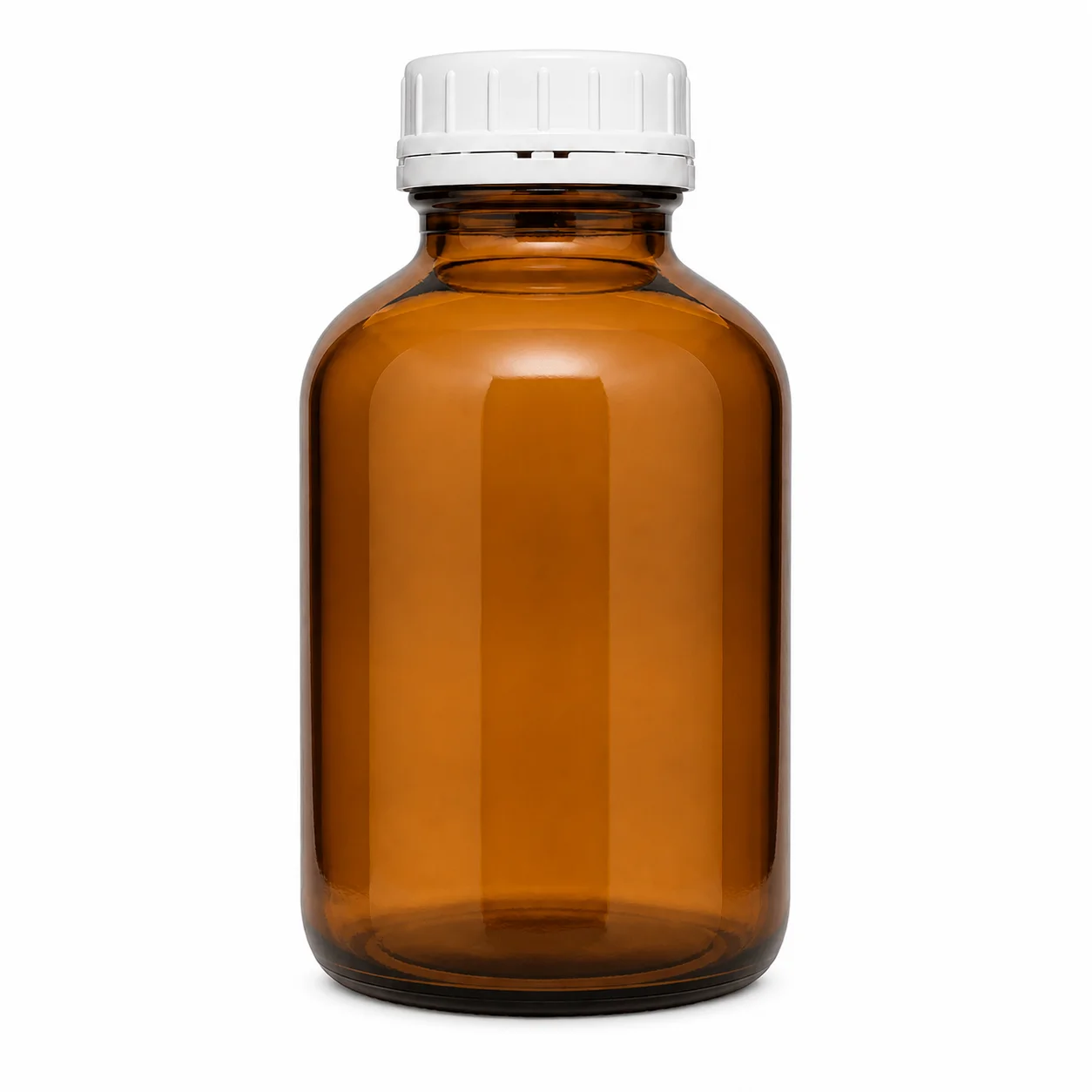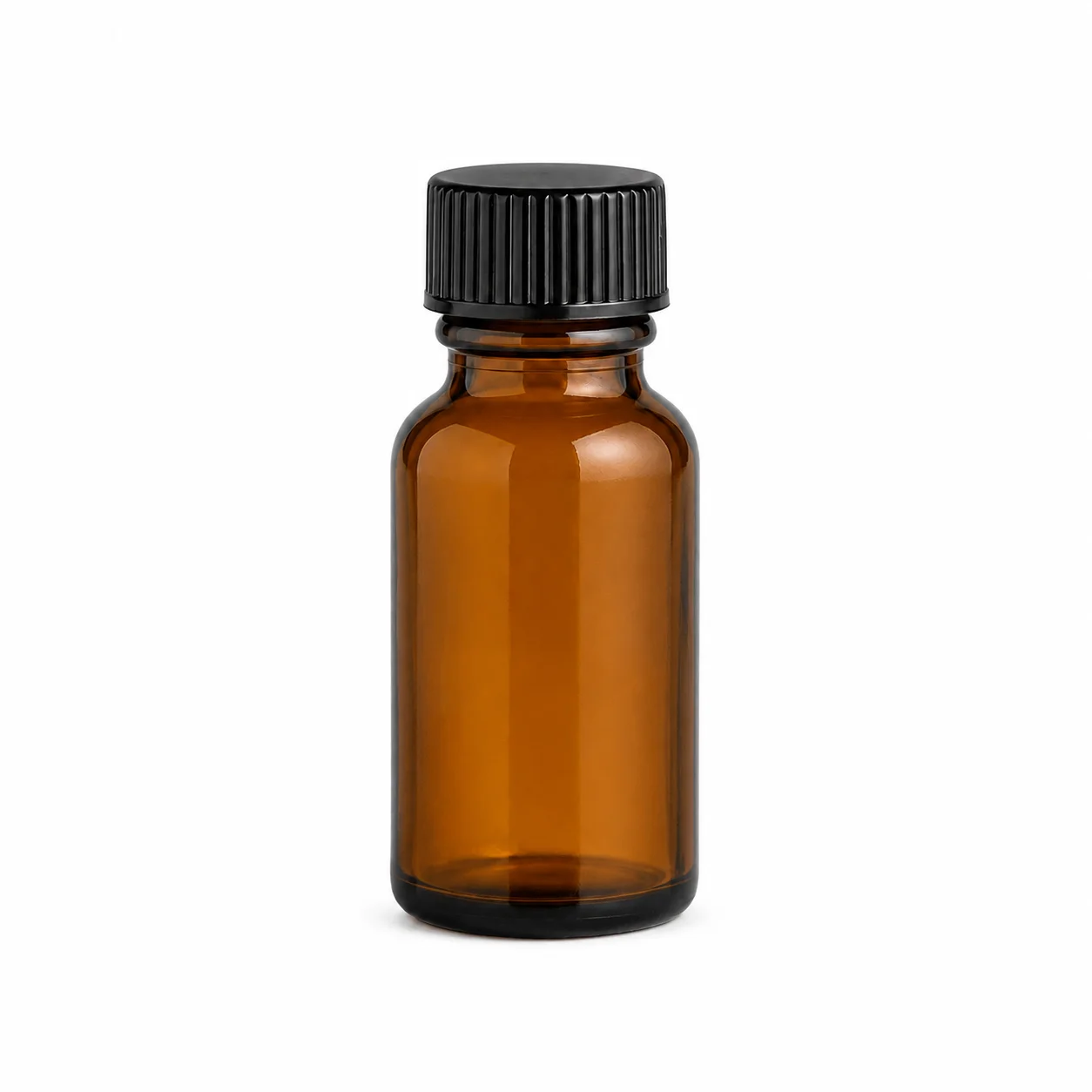
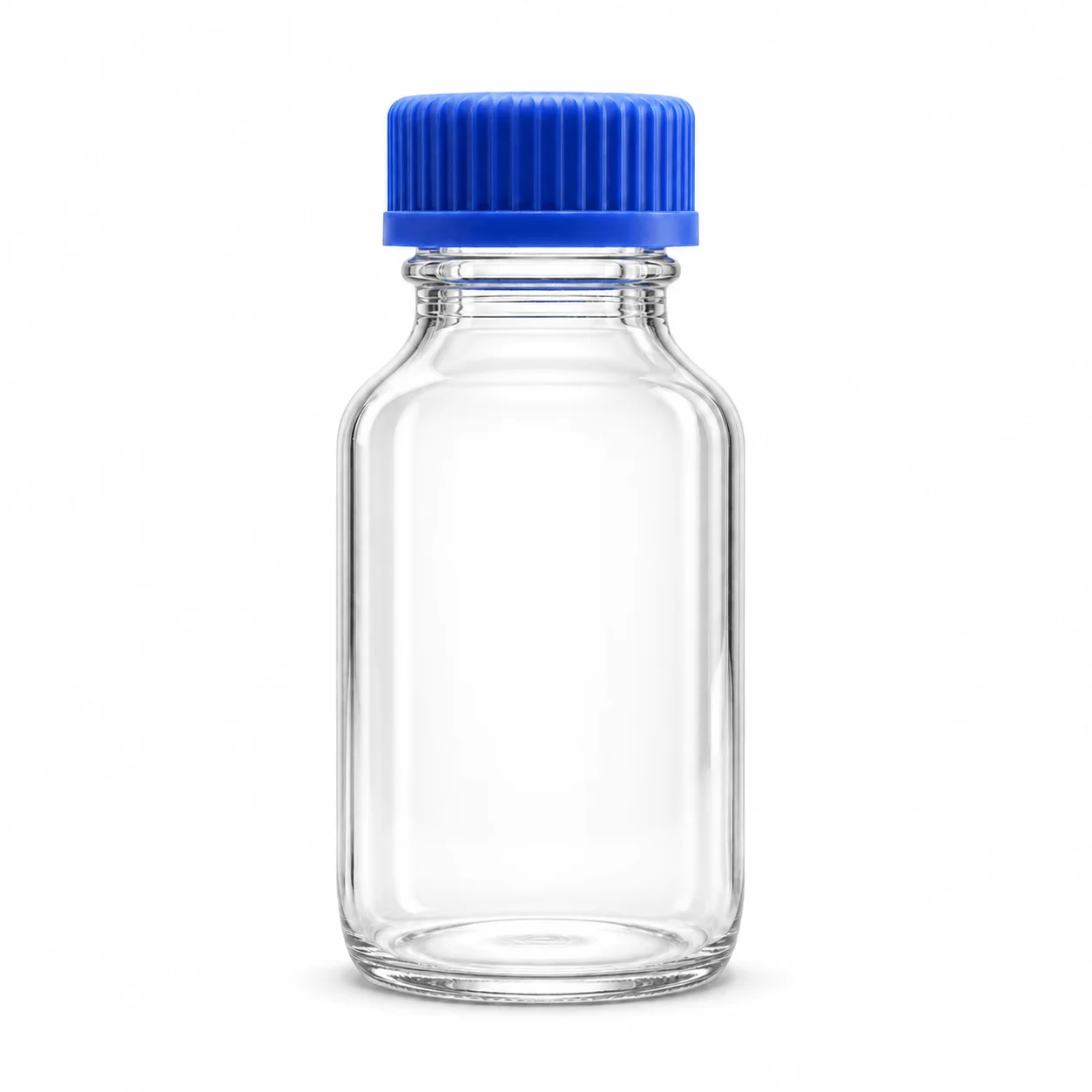
Straight-walled clear bottle with a blue ribbed screw cap
Shown configuration · bottle with cap / reagent, liner, label and shelf not shown

Stockroom storage

Reagent Storage Bottle

A stock reagent bottle specified for the shelf rather than the bench: a straight body that labels cleanly, a lined closure, and a size matched to how fast it is used.

Sized to consumptionLined threaded closureLabel panel and date field
Stock status
In stock
Lead time
2–3 weeks
FOB price / pc
$0.35 - $0.70
MOQ
5,000 pcs

Final availability, dimensions, materials, assembled components and commercial terms are confirmed against the selected drawing and approved sample.

Bought by turnover

A bottle too large ages before it empties

Liner outlives the reagent or does not

Storage duration sets the choice

Traceable on the shelf

Received, opened and expiry dates on the label

Reagent Storage Bottle profile

The container decision here is really an inventory decision.

Turnover, closure life & stockroom practice

Five questions that come before capacity.

A reagent that is used in a week and a reagent that lasts four years need different packaging, even when the chemistry is identical. Bottle size, closure liner and labeling are all consequences of turnover. Most stockroom problems — degraded reagents, unidentified bottles, disposal costs — trace back to a container chosen without reference to how quickly it empties.

01

Buy the size you will finish, not the size that is cheapest

Unit cost falls with volume, and so does the fraction of the bottle that is still good when it is used. A 2.5 L bottle bought for a reagent consumed at 100 mL a year spends most of its life partly full, opened repeatedly, absorbing moisture and air. The disposal cost of the remainder usually exceeds what the larger size saved.

02

Every opening is an exposure event

A stock bottle that is opened weekly exchanges its headspace with the room each time, so hygroscopic and oxidizable reagents degrade in proportion to how often the bottle is touched rather than how long it has existed. Decanting into a small working bottle protects the stock, and it is a labeling exercise rather than a purchasing one.

03

The liner has a service life, and it is not stated on the label

Pulp and foam liners are adequate for a bottle emptied within months and degrade in contact with solvent vapor over years. PTFE-faced liners cost more and are the honest choice for anything held long term. It is the component whose failure looks like a reagent problem: the contents change and nobody thinks to inspect the disc in the cap.

04

Three dates make a stockroom manageable

Received, opened and expiry or review, written on the bottle. Without the opened date, nobody can judge a partly used reagent; without the received date, stock rotation is guesswork. It costs a marker pen and it is the single practice that most reduces the volume of unidentified chemicals a laboratory eventually pays to dispose of.

05

Match glass to storage duration, not to the reagent alone

Soda-lime is fine for a bottle of dilute aqueous reagent turned over in a season. Over years, alkali leaching from the glass can matter for trace work, and borosilicate becomes worth its price. The same reagent can justify either glass depending on how long a bottle of it sits on the shelf before it is finished.

06

A pouring ring costs nothing and saves the label

A GL 45 finish accepts a pour ring that breaks the stream cleanly instead of letting it run back down the shoulder. Reagent that dries on the label makes the writing unreadable within months, and in a stockroom an unreadable label is a bottle nobody will use. It is the cheapest component on the bottle and the one most often left off.


Application guide

A working reagent needs to be findable, not just contained.

Reagents prepared in a laboratory are stored in bottles that all look alike, and the difference between a usable reagent and waste is whether its identity, date and preparer are still legible. These are development directions confirmed with the actual workflow.

Reagent Storage Bottle used for reagents made up and kept on a shelf in a prepared solutions setting

Prepared solutions

Reagents made up and kept on a shelf

For buffers, standards and working solutions prepared in-house and used over the following weeks. Clear glass lets a technician see precipitate, color change or a dropping level at a glance, which is the informal check that catches a degraded reagent before it reaches an analysis.

  • Confirm the contents stay visible
  • Support dating and identification
  • Review the useful life on the shelf
Reagent Storage Bottle used for knowing what was made and when in a cold rooms setting

Cold rooms

Knowing what was made and when

Good laboratory practice requires the contents, the concentration, the preparation date and the person who prepared it to be recorded on the bottle itself, which needs either a writable surface or a label area that survives handling and refrigeration. Losing that record in practice means discarding a perfectly good reagent.

  • Provide a durable writing area
  • Confirm labels survive refrigeration
  • Support the laboratory record system
Reagent Storage Bottle used for a bottle that will hold something else next month in a prep rooms setting

Prep rooms

A bottle that will hold something else next month

For the technicians who empty, wash and put these bottles back into circulation for whatever reagent needs them next. Threads and tight neck corners hold residue that a brush never reaches, and the person who eventually gets an odd result has no way of knowing what the bottle used to contain.

  • Confirm the neck cleans thoroughly
  • Define a cleaning routine between reagents
  • Watch for carryover in sensitive work

Applications describe packaging directions. Reagent compatibility, traceability and laboratory outcomes are confirmed for the selected program.

Common questions

Reagent Storage Bottle questions

Stockroom questions, which are usually inventory questions wearing a container label.

Is it cheaper to buy the largest size?

Per liter, yes; in practice, often not. A 2.5 L bottle bought for a reagent used at 100 mL a year spends years partly full, opened repeatedly, taking up moisture and air. What you save on the purchase you generally spend on disposing of the degraded remainder, and on the analysis that used it before anyone noticed.

Why do reagents degrade faster in some laboratories than others?

Usually because the bottle is opened more often. Each opening exchanges the headspace with room air, so hygroscopic and oxidizable reagents degrade in proportion to handling rather than elapsed time. Decanting into a small working bottle and leaving the stock container closed is the cheapest protection available, and it is a labeling job rather than a purchase.

How long does a liner last?

Longer than anyone checks. Foam and pulp liners are fine for a bottle emptied within months and degrade against solvent vapor over years, at which point the bottle leaks and contaminates simultaneously. PTFE-faced liners are the honest choice for long-held stock. It is the component whose failure gets diagnosed as a reagent problem.

Does a pouring ring earn its place?

It costs almost nothing and saves the label. Reagent run down the outside of a bottle destroys the printed identification and the shelf under it, and a pouring ring prevents both. On any bottle poured by hand it is worth specifying.

Next step

Send us the Reagent Storage Bottle brief.

Tell us the product, fill volume, closure preference and destination market. We will come back with the matching drawings, available configurations and a sample plan before anything is quoted.

  • 01Send the briefProduct, volume, closure and market
  • 02Get the optionsMatching drawings and configurations
  • 03Approve the sampleConfirm the pack before production