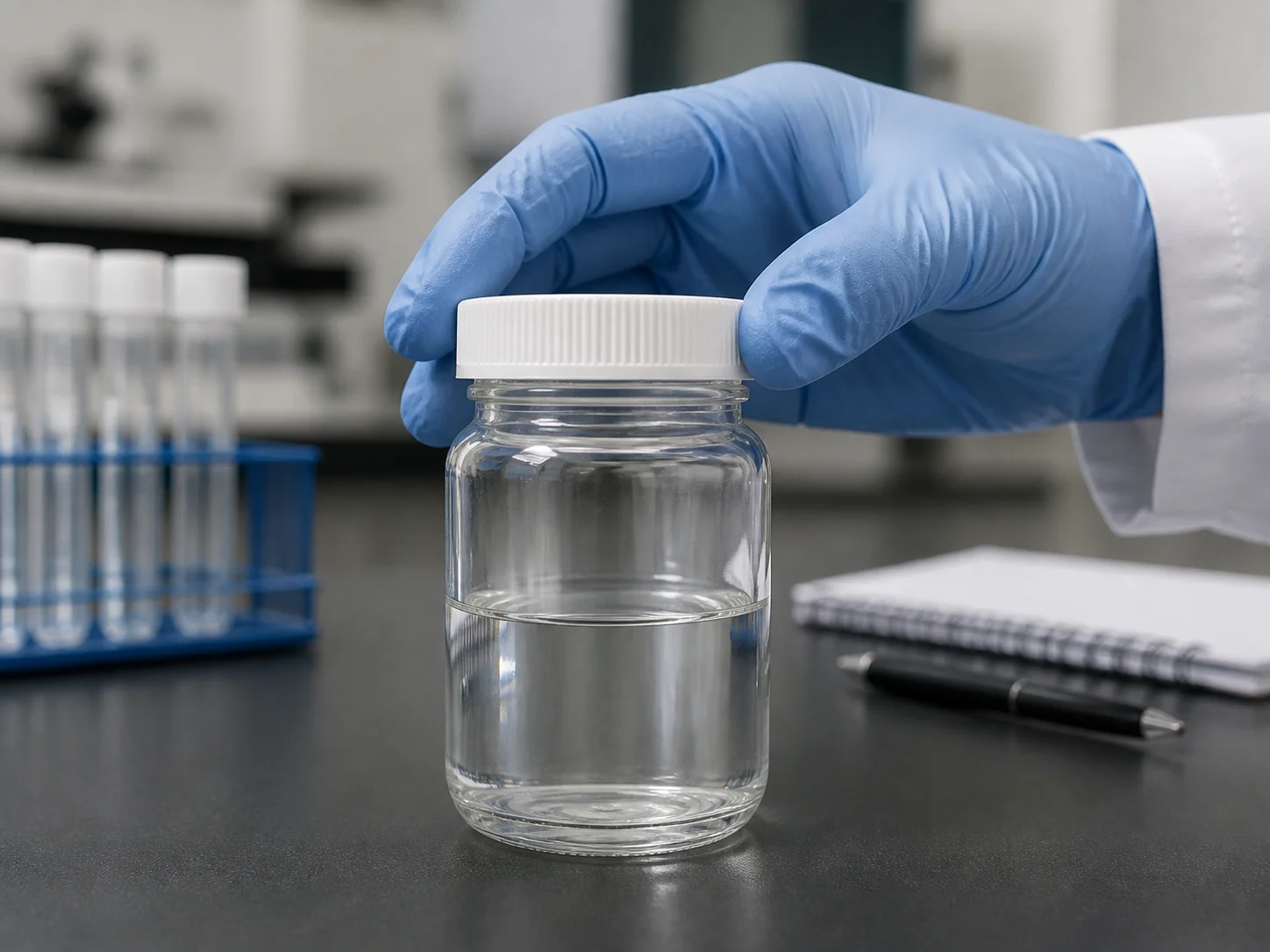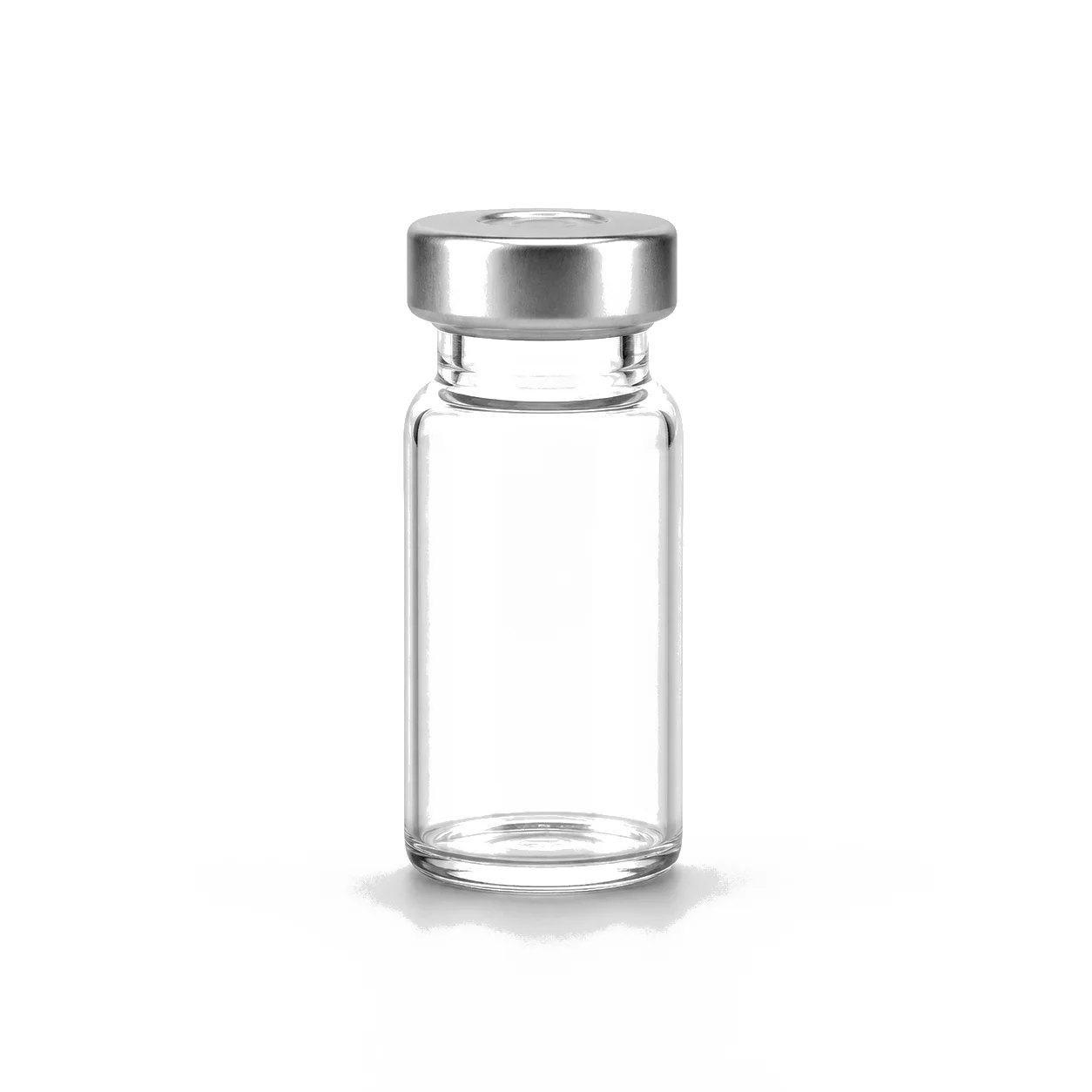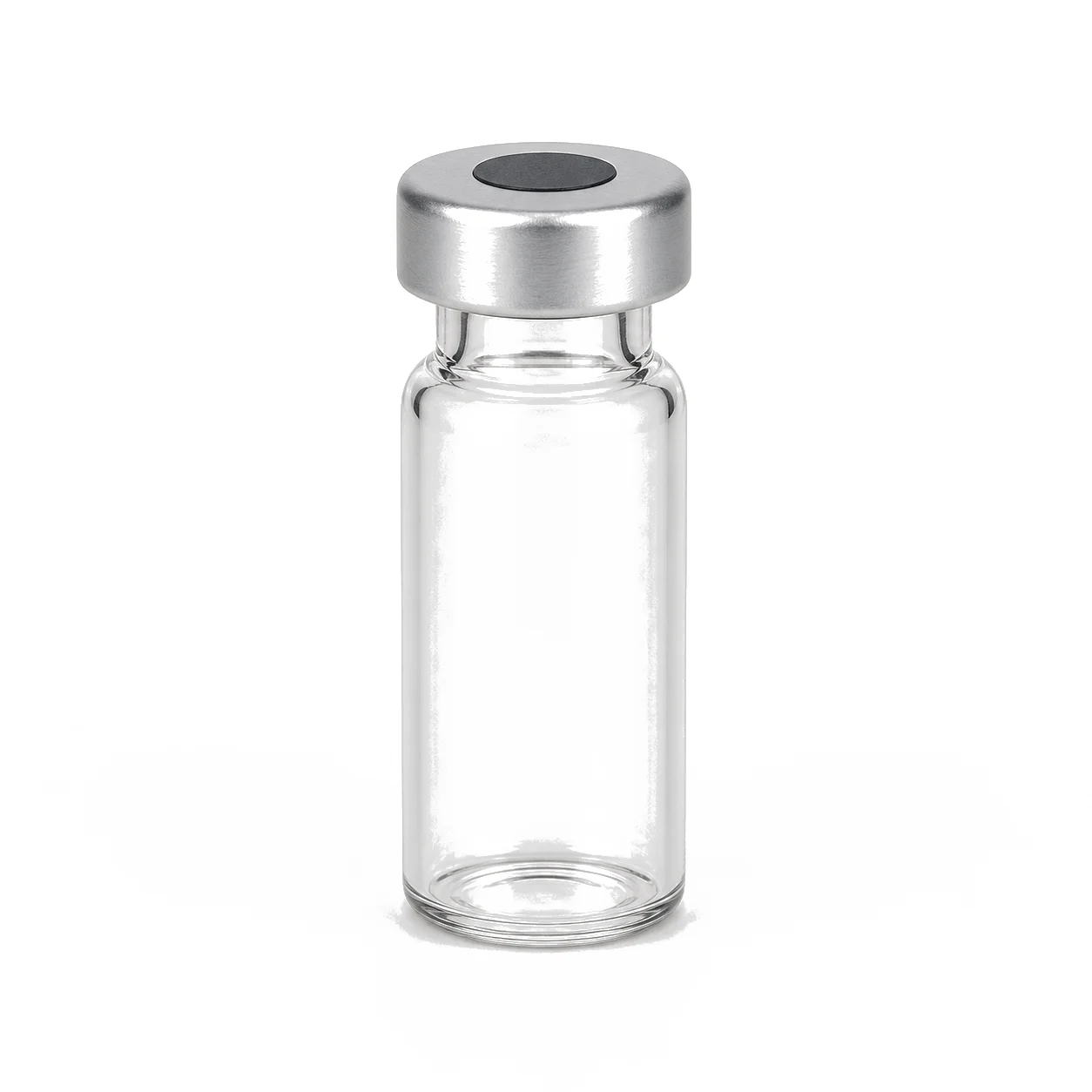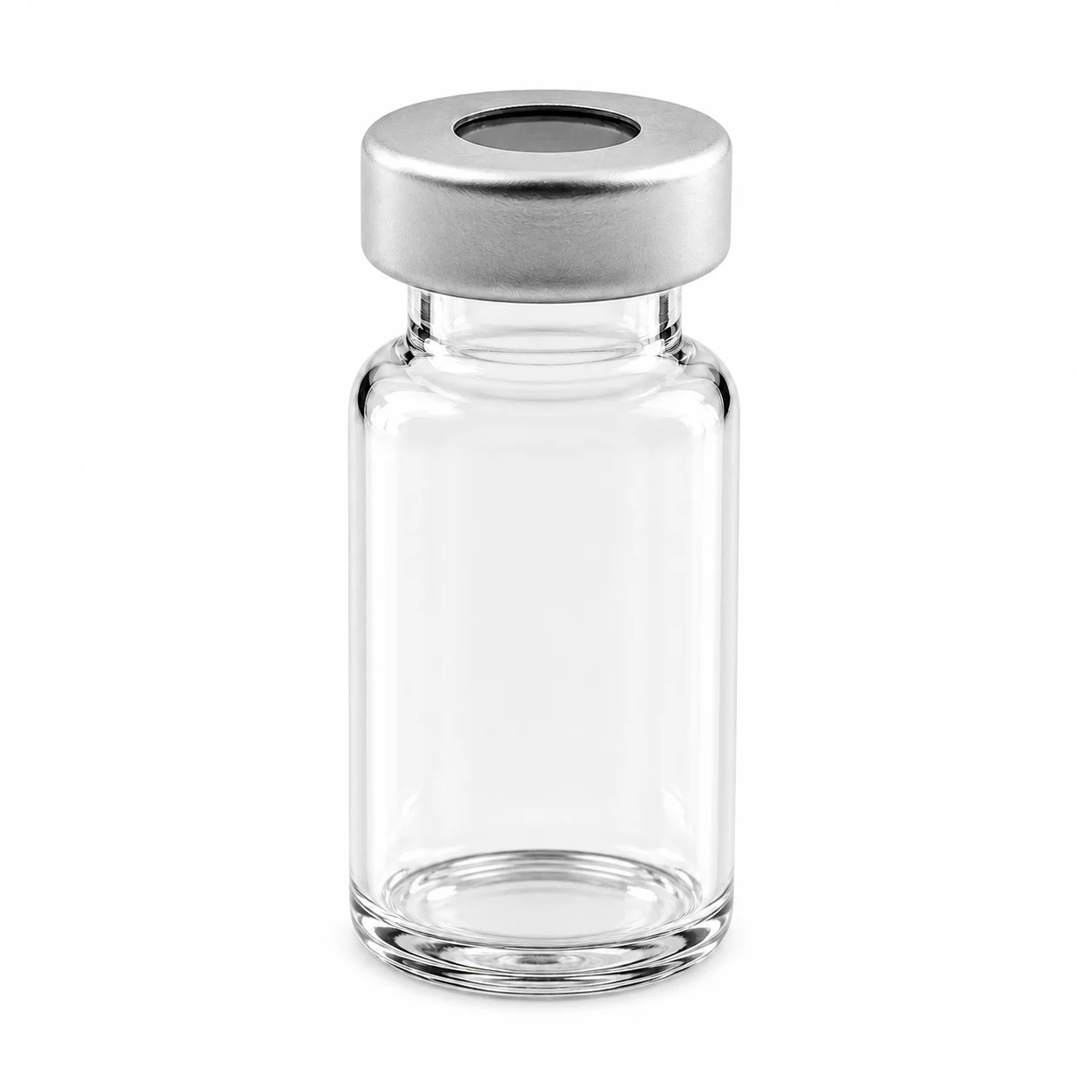
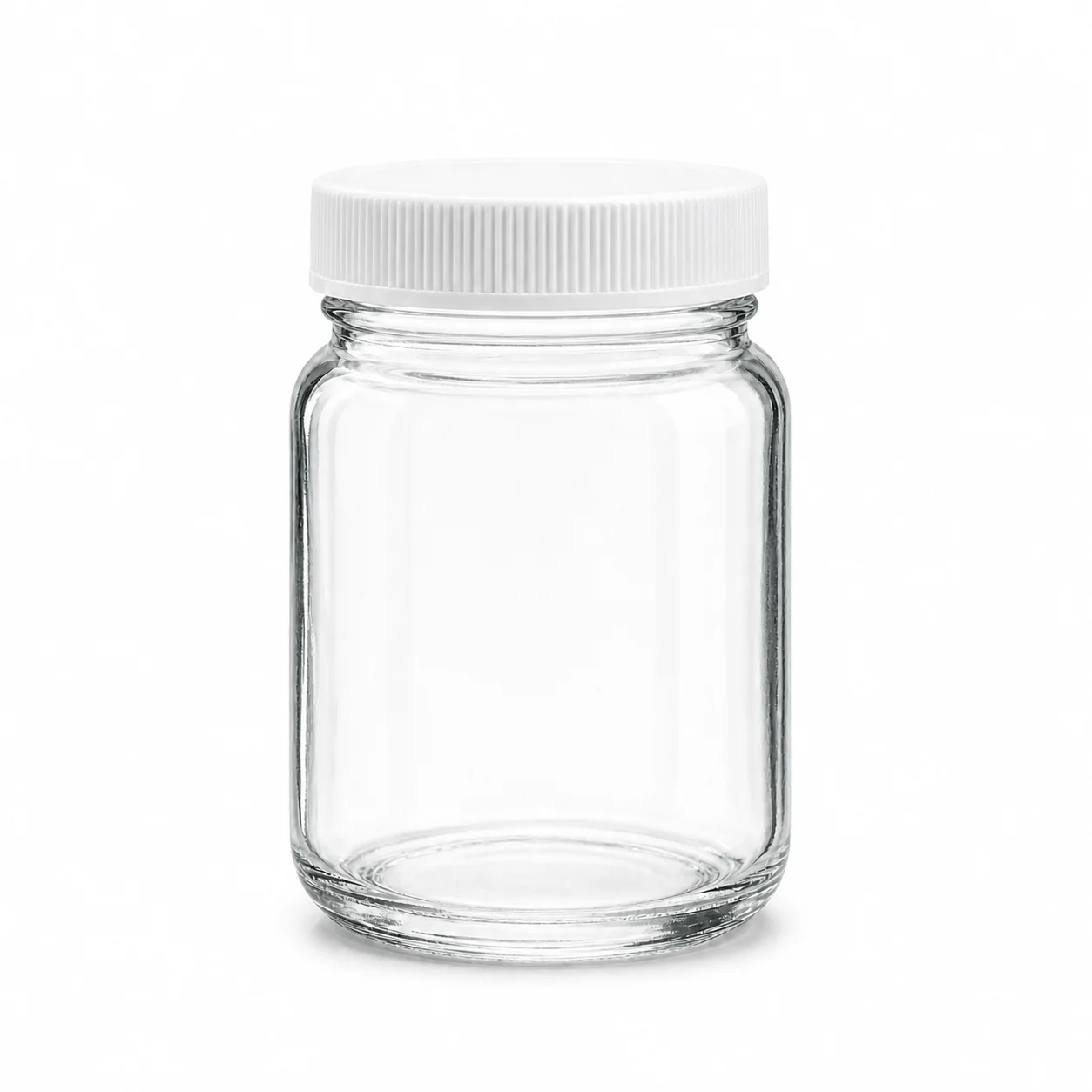
Short straight-sided clear bottle with a white ribbed screw cap
Shown configuration · bottle with cap / specimen, preservative, liner and label not shown

Specimen & sampling containers

Specimen Bottle

A straight-sided specimen bottle with a wide mouth and a lined screw cap, sized so a solid, a swab or a preserved sample can go in and come out whole.

Wide mouth, straight wallLined screw closureLabel panel on the body
Stock status
In stock
Lead time
2–3 weeks
FOB price / pc
$0.45 - $0.80
MOQ
10,000 pcs

Final availability, dimensions, materials, assembled components and commercial terms are confirmed against the selected drawing and approved sample.

Gets the sample out again

Wide mouth and straight wall, no shoulder trap

Liner matched to preservative

Formalin and solvents need the right face

Labeled at the point of collection

Panel sized for a written label

Specimen Bottle profile

A container judged by whether the sample can be got back out of it.

Retrieval geometry, preservative compatibility & chain of custody

Five requirements that come from the laboratory receiving the sample.

Specimen bottles hold material that will be examined later: tissue in fixative, a soil sample, a filter, a swab. The requirements are unglamorous and specific — a mouth wide enough to retrieve the contents, a wall with no shoulder for material to lodge under, a closure that survives the preservative, and a label that is still readable when the bottle is opened.

01

Retrieval sets the mouth diameter

A specimen is placed in whole and usually has to be lifted out whole. Any narrowing at the shoulder gives material somewhere to catch, and a bottle that has to be broken to recover a sample is a failure, not an inconvenience. The mouth is therefore dimensioned around the largest specimen expected rather than around the nominal volume.

02

Preservative decides the liner before it decides anything else

Formalin, alcohol and solvent preservatives each attack some liner materials, and a degraded liner both leaks and contaminates. PTFE-faced liners are the safe default across most fixatives. Where a bottle will be stored for years, that liner is the component that determines whether the specimen is still in its original fluid when someone returns to it.

03

Headspace is a transport decision

A bottle filled to the brim has nowhere for liquid to expand and will push past its closure on a warm journey; one filled half full lets a specimen move and abrade. Filling practice therefore comes from the transport route and the specimen rather than from the bottle, and it belongs in the collection instruction that goes out with the containers.

04

The label has to survive what the bottle survives

Specimen labels are written in the field, then meet fixative splashes, refrigeration and sometimes months on a shelf. A flat panel sized to the label being used, and a marking that resists the preservative, are worth as much as the container. A sample whose identity is lost is worth less than no sample at all.

05

Chain of custody is a physical property here

Where a specimen may be evidence or supports a regulatory claim, the container has to show whether it was opened. That is a tamper-evident closure or a sealed transport bag around the bottle, decided at the outset. Retrofitting it means changing the closure format, which usually means changing the bottle, so it belongs in the first specification.

06

Sterile containers are supplied sterile and used once

A container certified sterile carries that status only until it is opened, and no bench process restores it. Reusing or re-sterilizing one invalidates any result that depends on the absence of organisms, which is why these are bought as single-use items and their packaging integrity is checked before collection.
Application guide

A specimen without an intact label is not a specimen.

Specimen containers are judged on whether the sample arrives at the laboratory sealed, uncontaminated and unambiguously identified. Any of the three failing makes the rest pointless. These are development directions confirmed with the actual workflow.

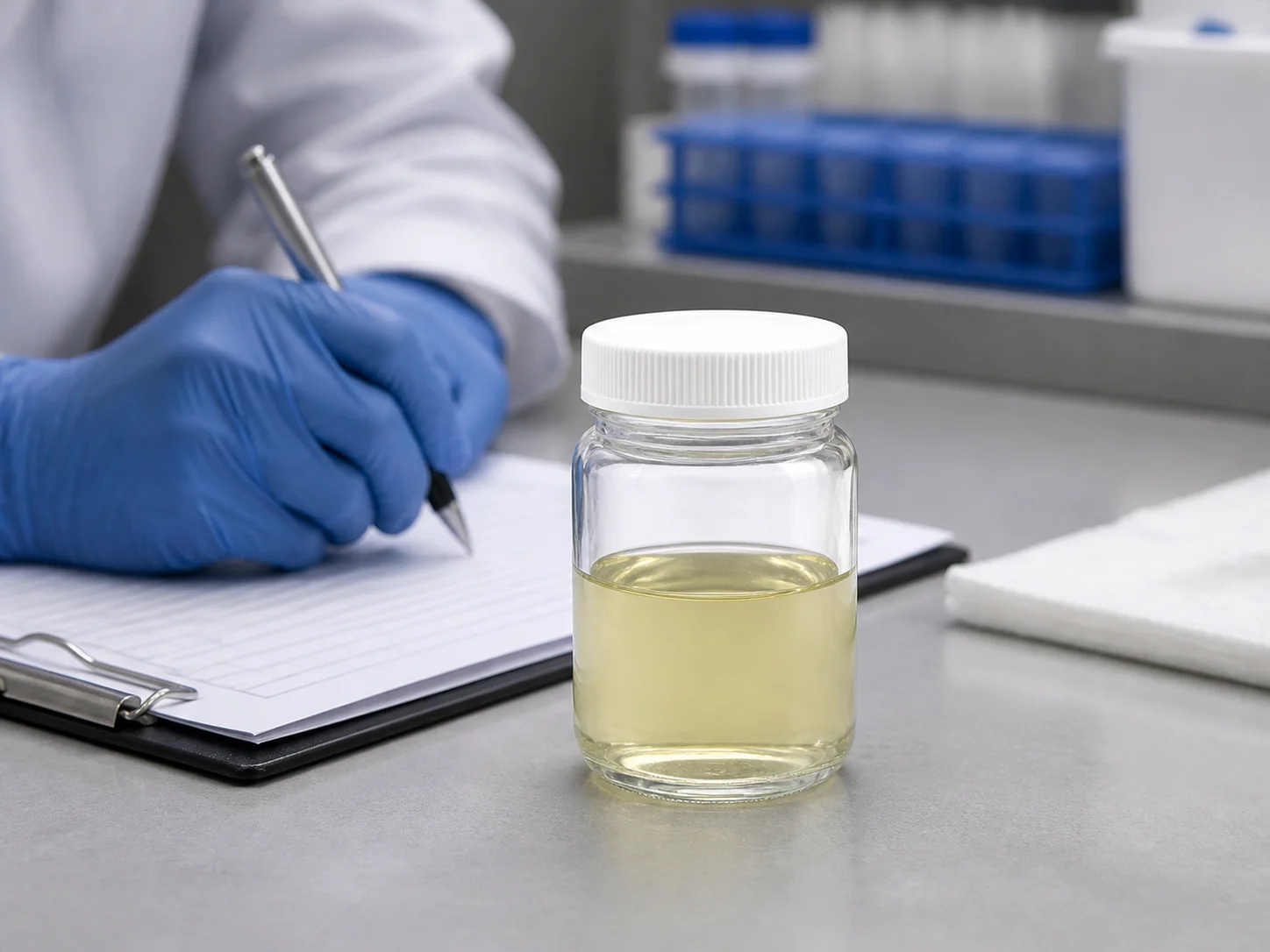
Specimen Bottle used for containers filled at the point of collection in a sample collection setting

Sample collection

Containers filled at the point of collection

For samples taken by a nurse, technician or the patient themselves and then handed on for analysis. Filling has to be straightforward with a wide enough mouth, and the cap has to be closed correctly by someone who is not necessarily trained, since a partly turned cap leaks in a transport bag.

  • Confirm filling is straightforward
  • Check the cap closes unambiguously
  • Test leakage in a transport bag
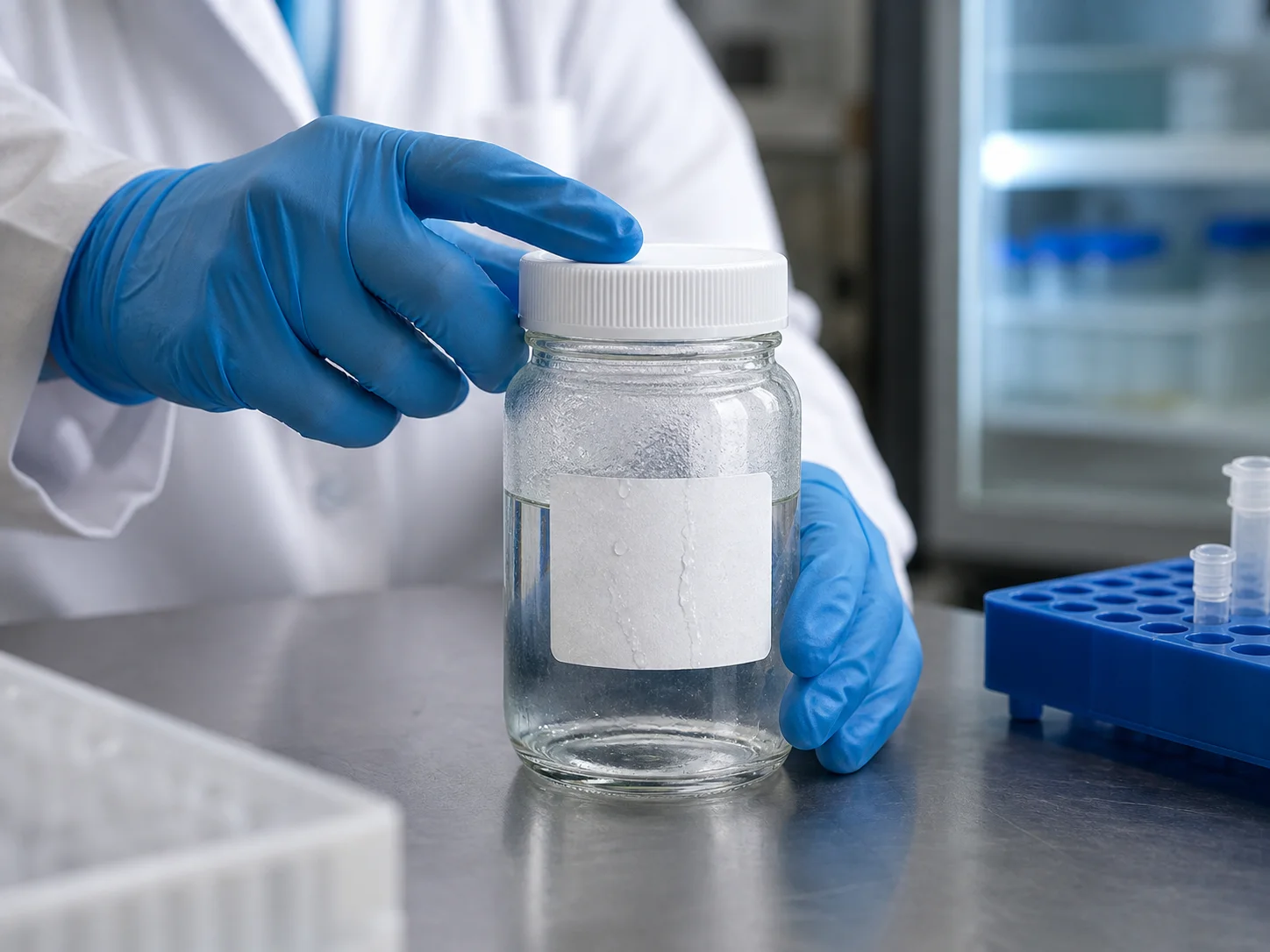
Specimen Bottle used for labels that survive the journey in a collection to bench setting

Collection to bench

Labels that survive the journey

The container is written on, stickered, refrigerated and sometimes frozen before it ever reaches the analyst, and a label that lifts or smears anywhere along that route makes the sample unusable regardless of its condition. Label area, surface finish and adhesion under condensation are functional requirements rather than details.

  • Test label adhesion when chilled
  • Confirm the writing surface takes ink
  • Provide enough labeling area
Specimen Bottle used for a container opened by whoever takes the sample in a trace-level testing setting

Trace-level testing

A container opened by whoever takes the sample

For work where the analyst is looking for parts per billion and the bottle was opened in a field or a ward by someone with other things on their mind. Anything left in it from manufacture arrives in the result, so the cleanliness level is specified against the assay and the packaging has to hold until the moment of use.

  • Specify the required cleanliness level
  • Confirm packaging protects until use
  • Match the level to the assay

Applications describe workflow directions. Sample suitability, cleanliness and laboratory outcomes are confirmed for the selected program.

Common questions

Specimen Bottle questions

These containers are specified by the laboratory that receives them, not by the one that fills them.

How wide should a specimen mouth be?

Wide enough for the largest specimen you expect to retrieve whole, which is not the same as wide enough to put it in. Any narrowing at the shoulder gives material somewhere to lodge, and a bottle that has to be broken open to recover a sample has failed. Dimension the mouth from the specimen rather than from the nominal volume.

Which liner works with formalin?

A PTFE-faced liner is the safe default across formalin, alcohol and most solvent fixatives, because the sample and the vapor only meet fluoropolymer. Foam and pulp-backed liners are cheaper and appropriate for aqueous samples used quickly. A degraded liner leaks and contaminates at the same time, and it is the usual cause of dried-out archive specimens.

How full should specimen bottles be?

It depends on the journey. Filled to the brim there is nowhere for liquid to expand and the closure will weep on a warm trip; filled half full a solid specimen moves and abrades. Because it follows the transport route and the specimen rather than the container, fill level belongs in the collection instruction that ships with the bottles.

Do we need tamper-evident closures?

If the specimen might be evidence or supports a regulatory claim, yes. The container then has to show whether it has been opened, either through a tamper-evident closure or a sealed transport bag. Adding that later usually means changing the closure format and therefore the bottle, so it belongs in the first specification rather than the second.

Can a specimen container be reused?

Sterile ones are supplied sterile and used once. Reprocessing invalidates any result that depends on the absence of organisms, and the container is a small part of the cost of the test. Treat them as single-use consumables and specify accordingly.

Next step

Send us the Specimen Bottle brief.

Tell us the product, fill volume, closure preference and destination market. We will come back with the matching drawings, available configurations and a sample plan before anything is quoted.

  • 01Send the briefProduct, volume, closure and market
  • 02Get the optionsMatching drawings and configurations
  • 03Approve the sampleConfirm the pack before production