Formats, closures & what they are not for
Where a plain vial beats a threaded one, and where it does not.
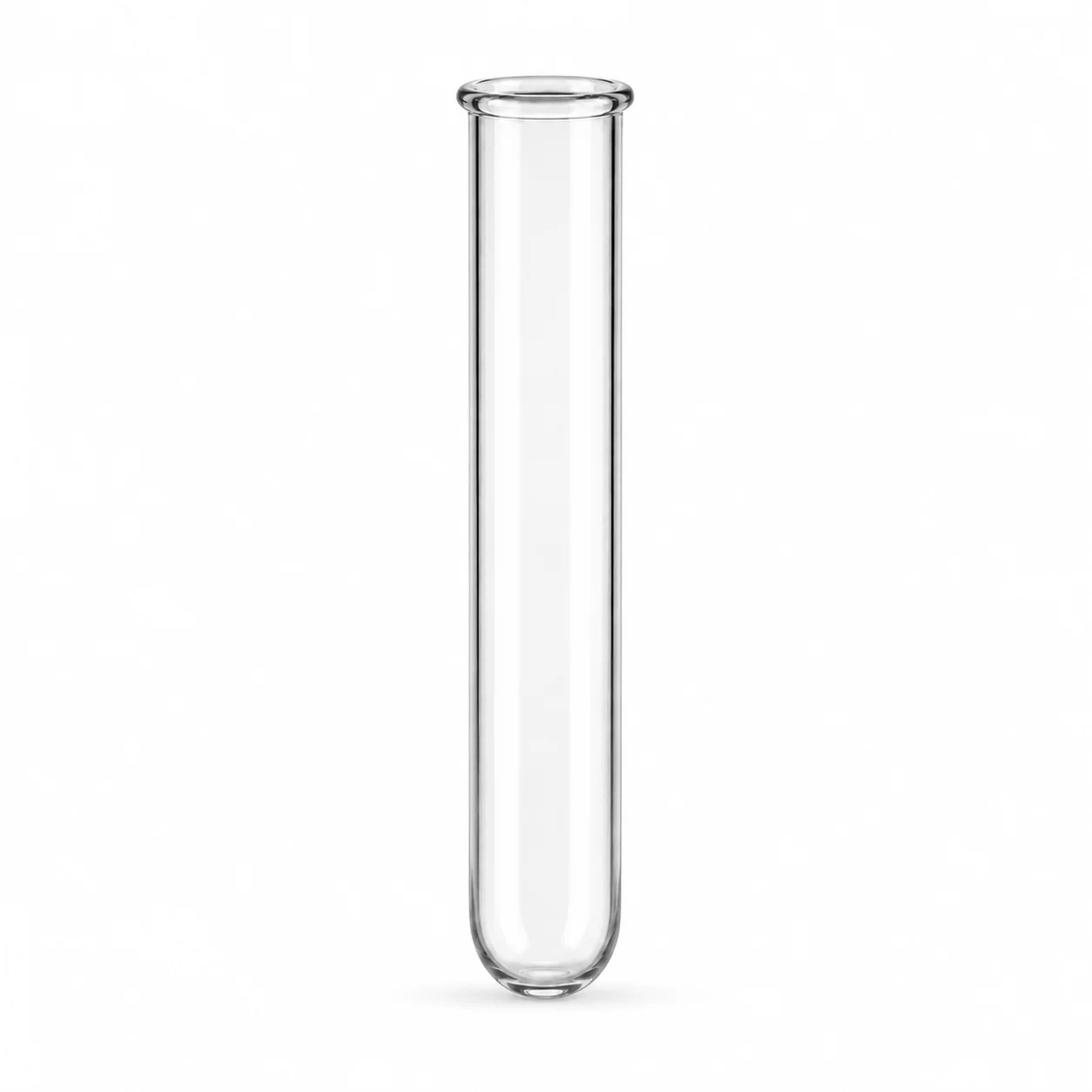
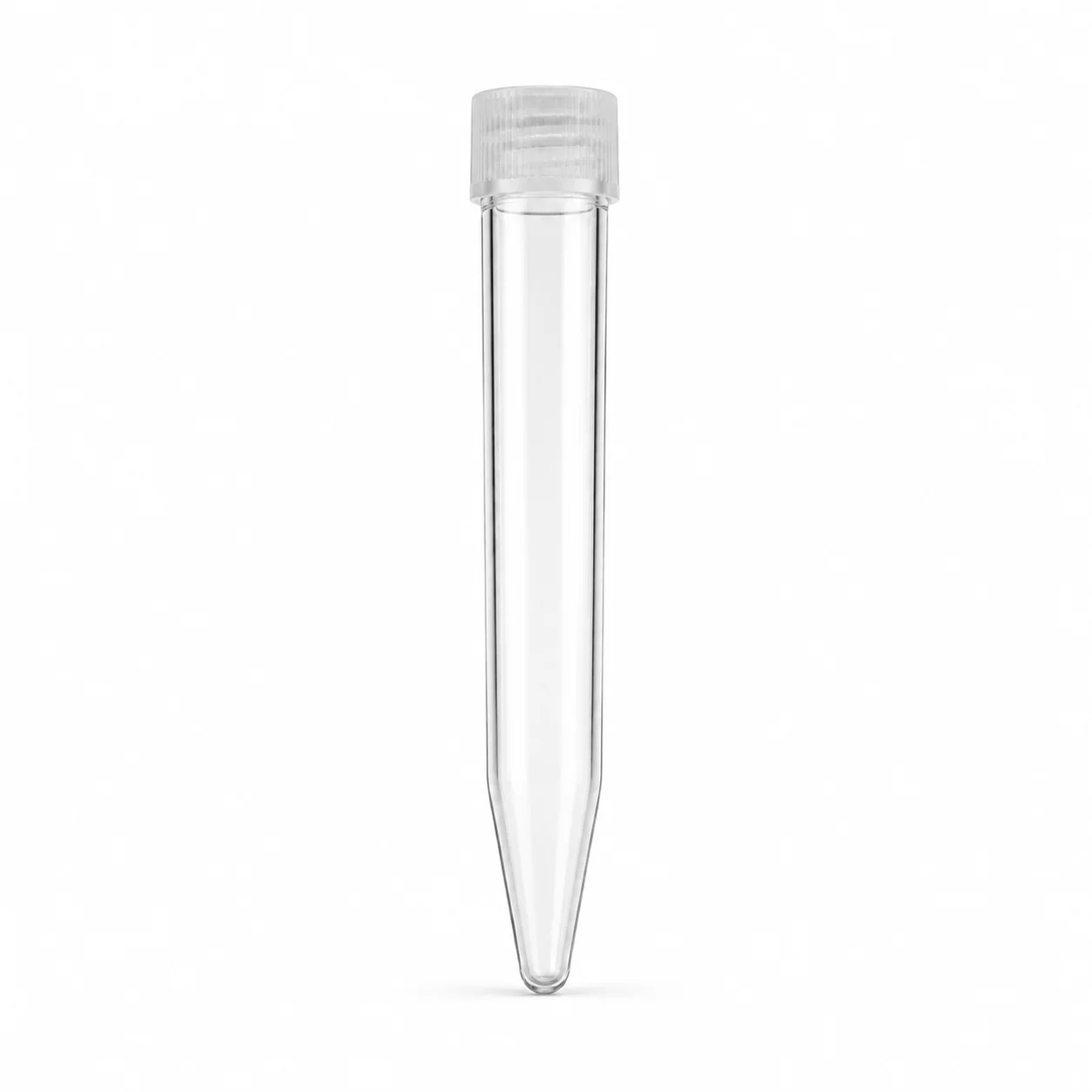
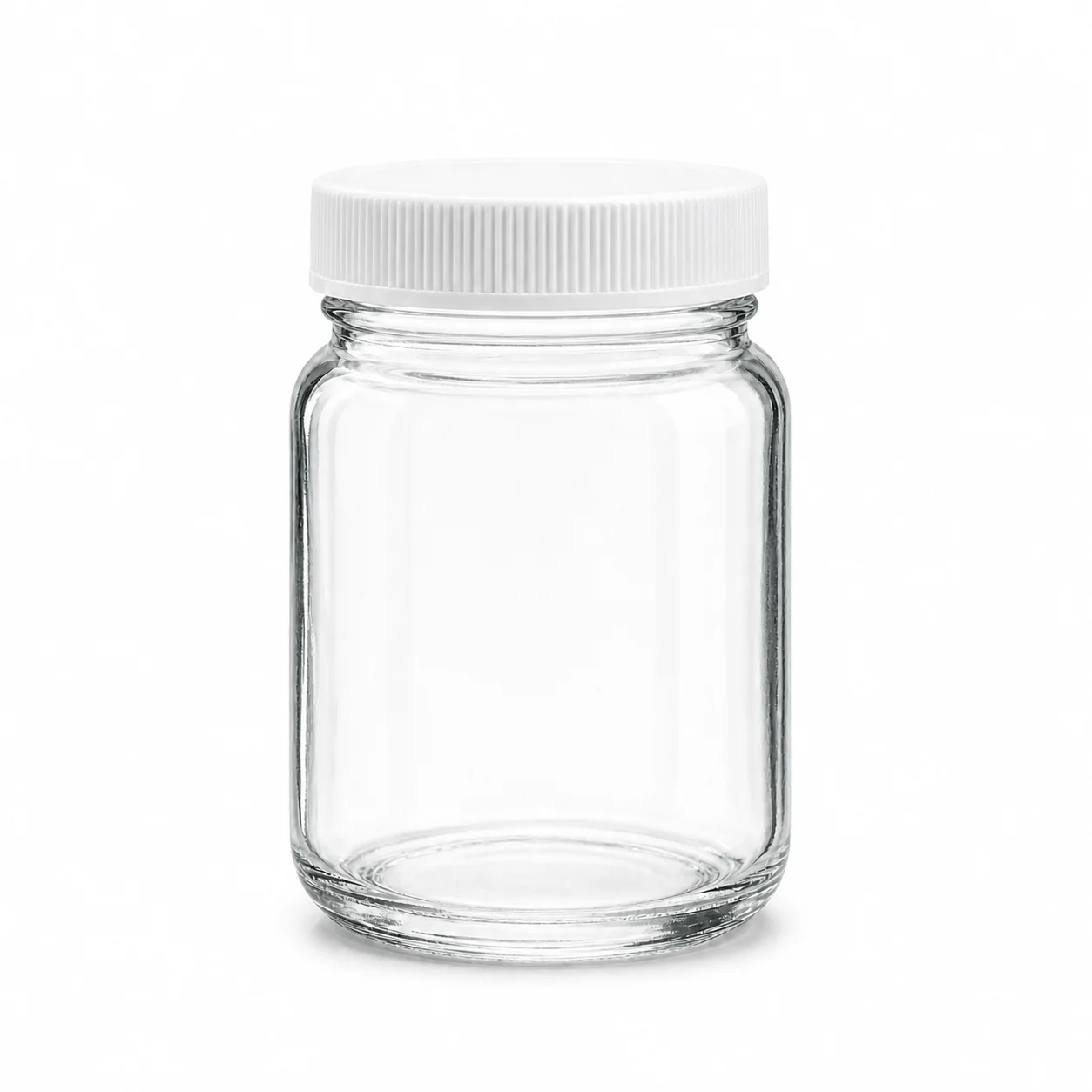
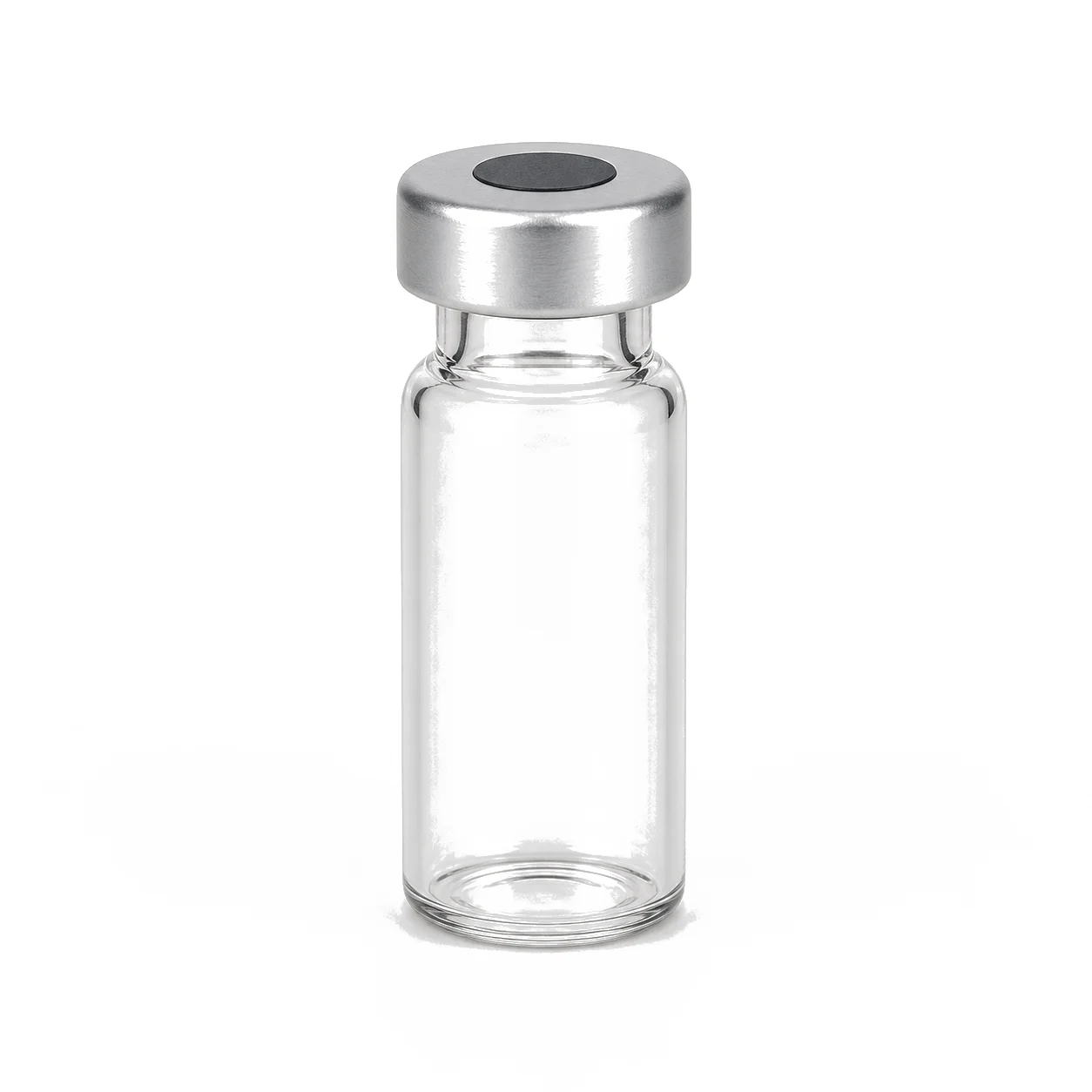
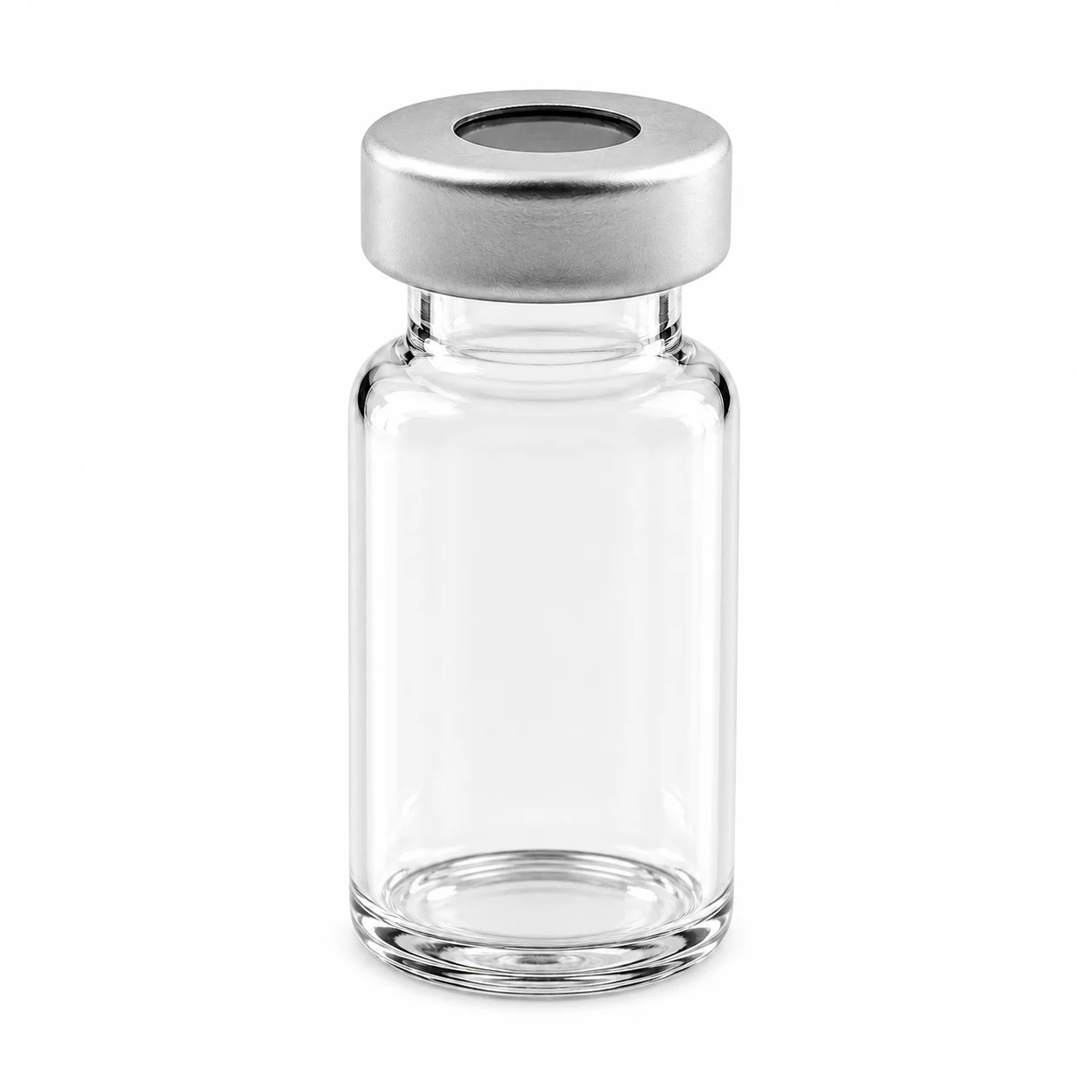
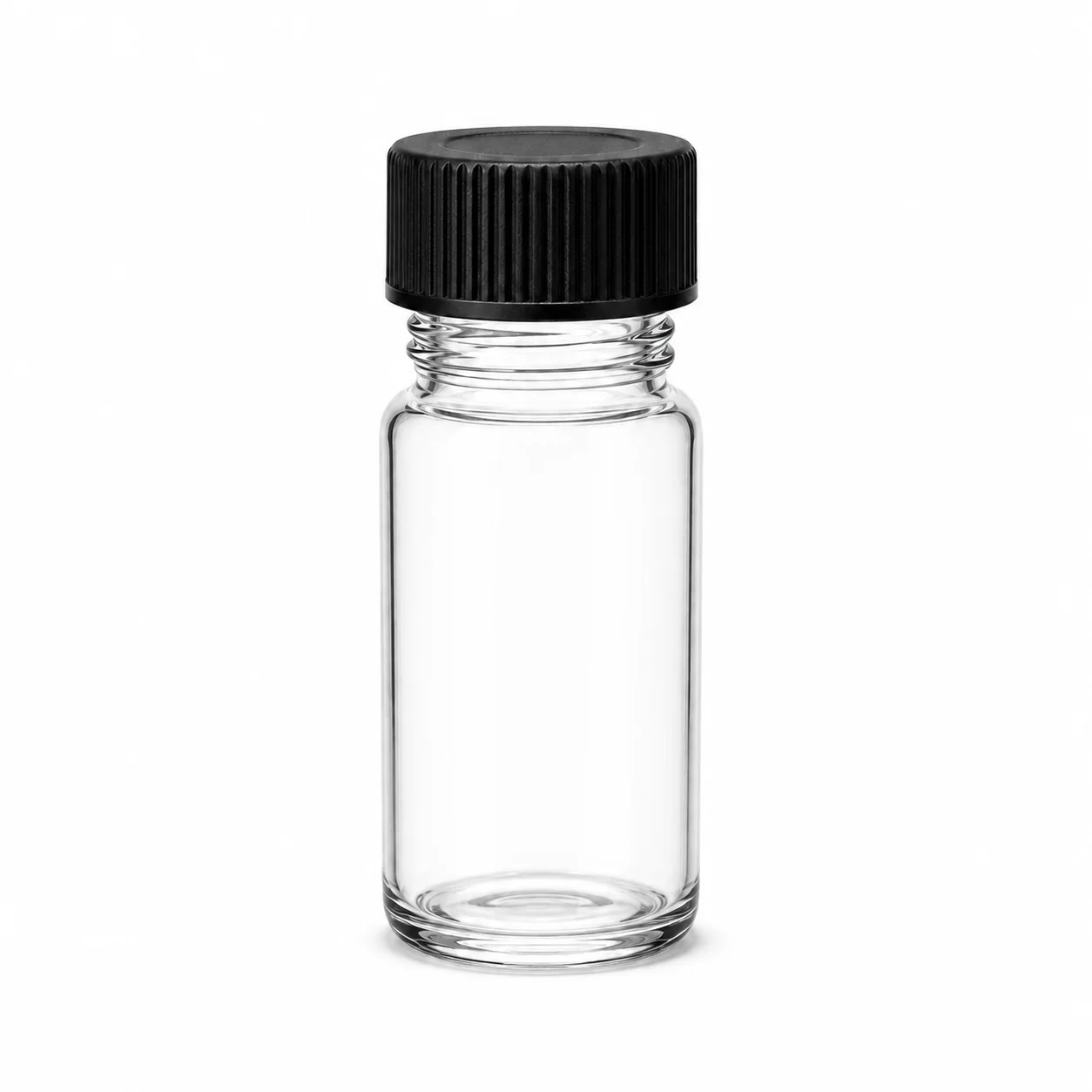
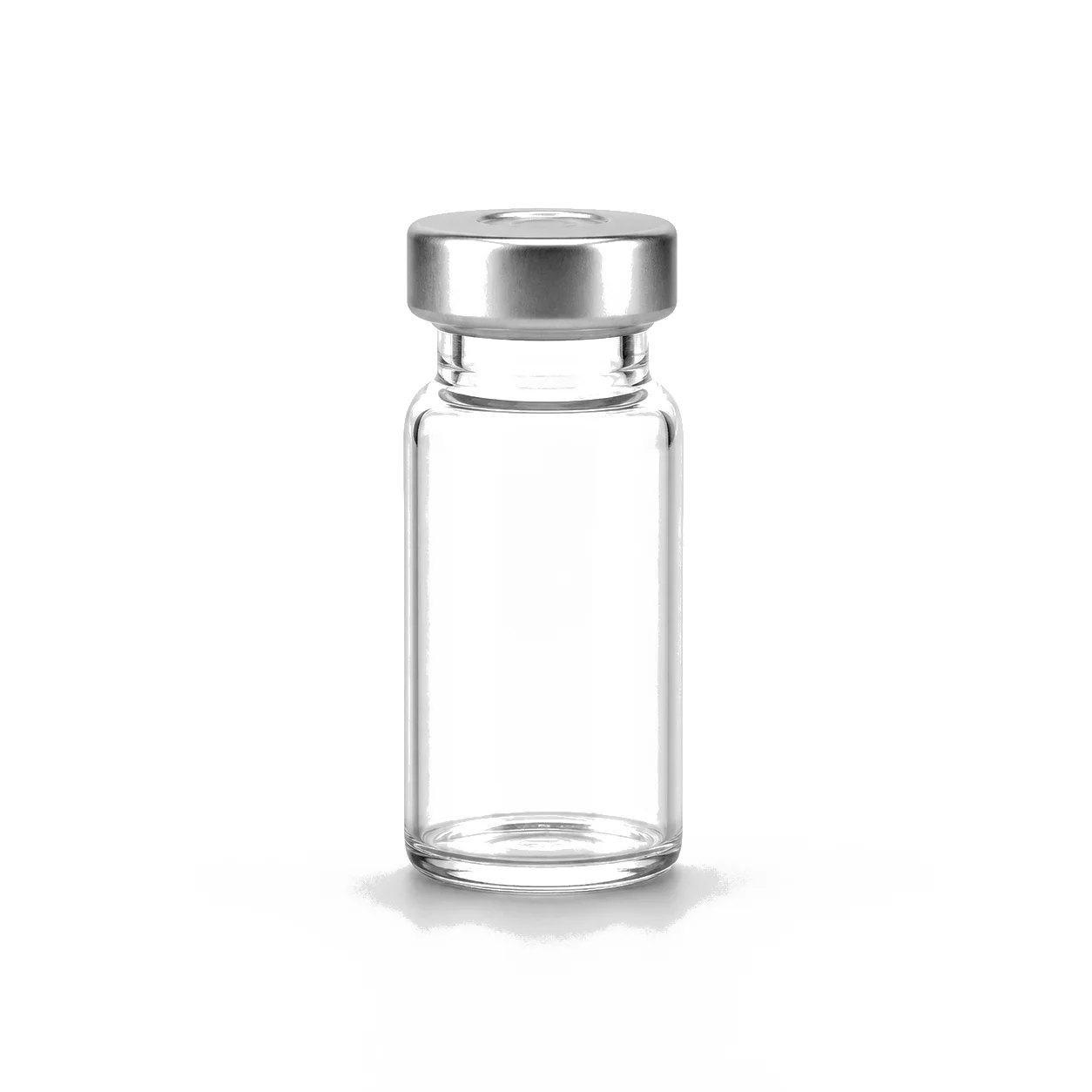
Shell and crimp-top vials are the low-cost end of sample storage: a plain glass tube with a rim, closed by a polyethylene plug pushed into the bore or an aluminum cap crimped over a septum. They store retains, fractions and archived aliquots economically, and they are a poor choice for anything that must be opened and reclosed.
A shell vial has no thread, and that is the saving
Forming a thread adds a step and material to every unit. A shell vial is a cut and fire-polished tube with a plain or beaded rim, closed by a plug pressed into the bore. Across tens of thousands of retained samples the difference is real money, which is why archives and fraction collectors use them in volume where a laboratory bench would not.
Plug closures seal on the bore, not the rim
The polyethylene plug is an interference fit inside the neck, so glass bore tolerance decides how tightly it holds. That is adequate for a sample kept upright in a rack and poor for one that is inverted, warmed or shipped. Where a vial travels or holds a volatile, a crimp seal or a threaded closure is the sensible step up.
Crimp seals are a one-way operation
An aluminum cap crimped over a septum gives a genuinely tight closure and cannot be reapplied once removed. That suits archive samples opened once for reanalysis and suits nothing that is dipped into weekly. Programs that discover they need repeated access after choosing crimp seals end up decanting every sample, which defeats the point of sealing them.
Diameter decides storage density
Archive space is measured in samples per box, and a millimeter of vial diameter compounds across a freezer. Choosing the vial to suit the rack and box system, rather than picking a rack afterwards, is what makes an archive expandable. This decision outlives the samples themselves and is worth making with the storage in front of you.
Labeling is harder than it looks on a small vial
A short vial with a curved body has very little flat area, and a label that wraps onto the curve lifts, especially in a freezer. Write-on patches fired onto the glass, or a rack position recorded in a log rather than on the vial, are the two workable answers. Discovering the problem after a thousand samples are labeled is common.
A septum is a consumable, and coring is the reason
Every needle pass cuts the septum a little further, and after a few piercings the material begins shedding fragments into the sample below. Septa are specified for the number of injections planned and replaced rather than reused, because a cored septum contaminates the analysis and leaks at the same time.