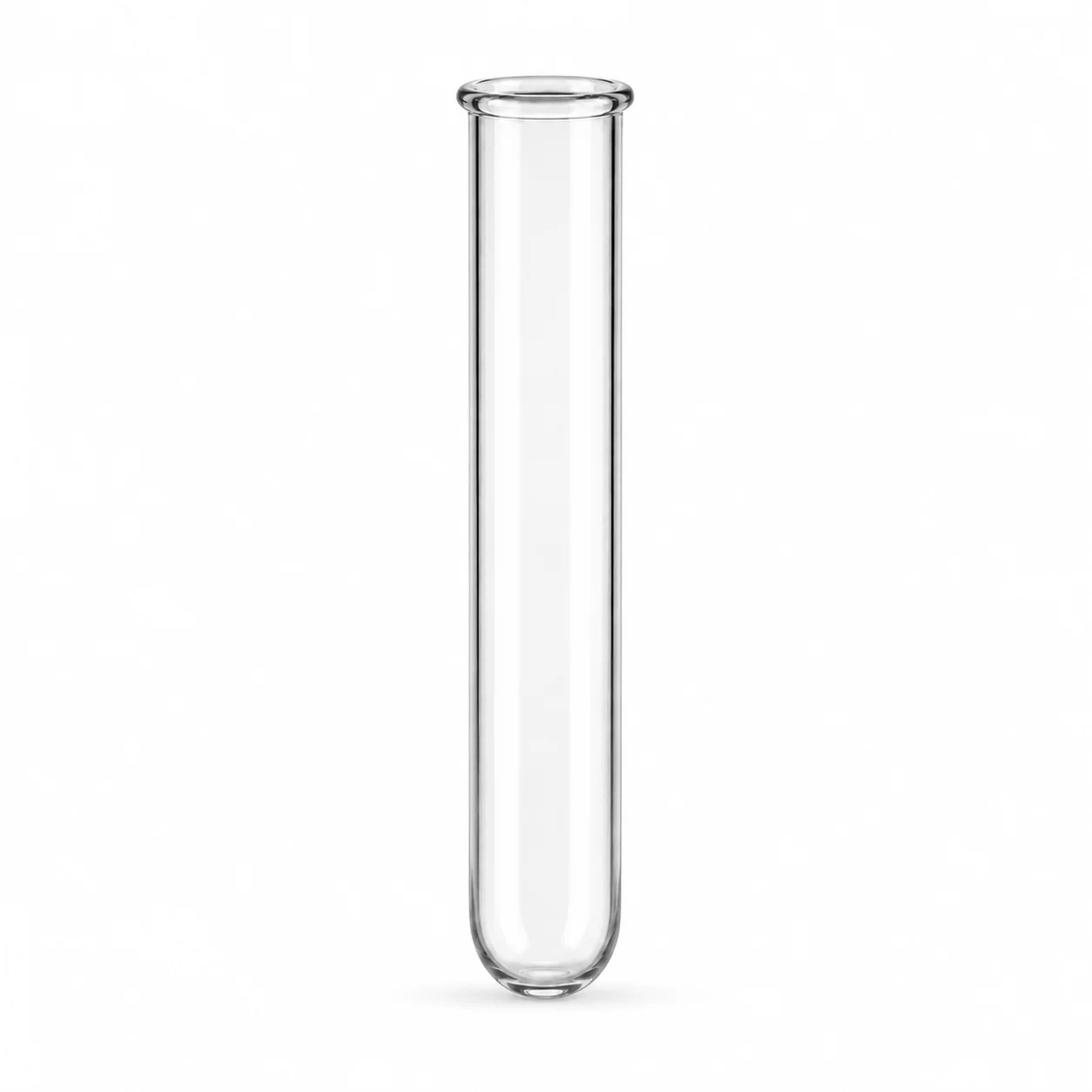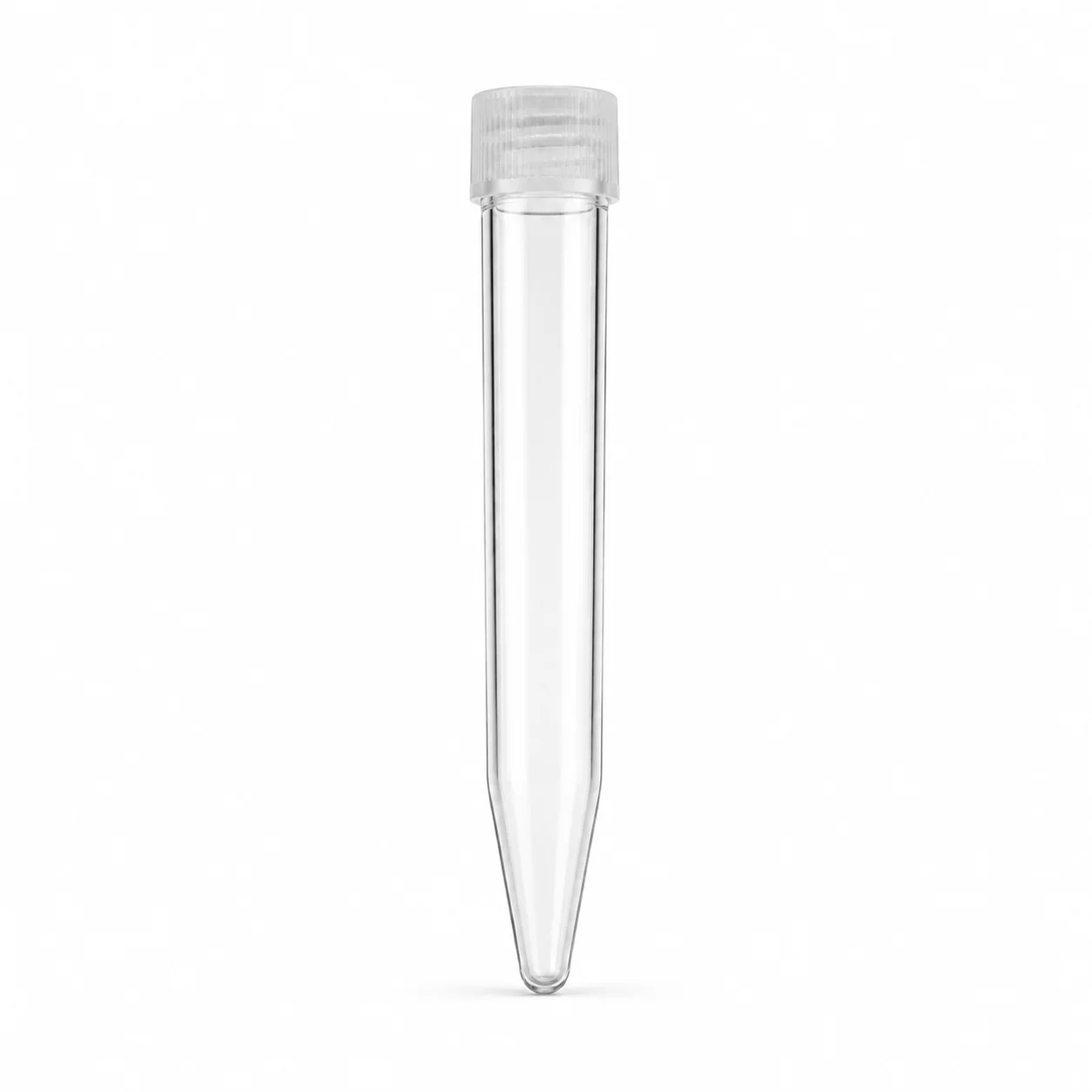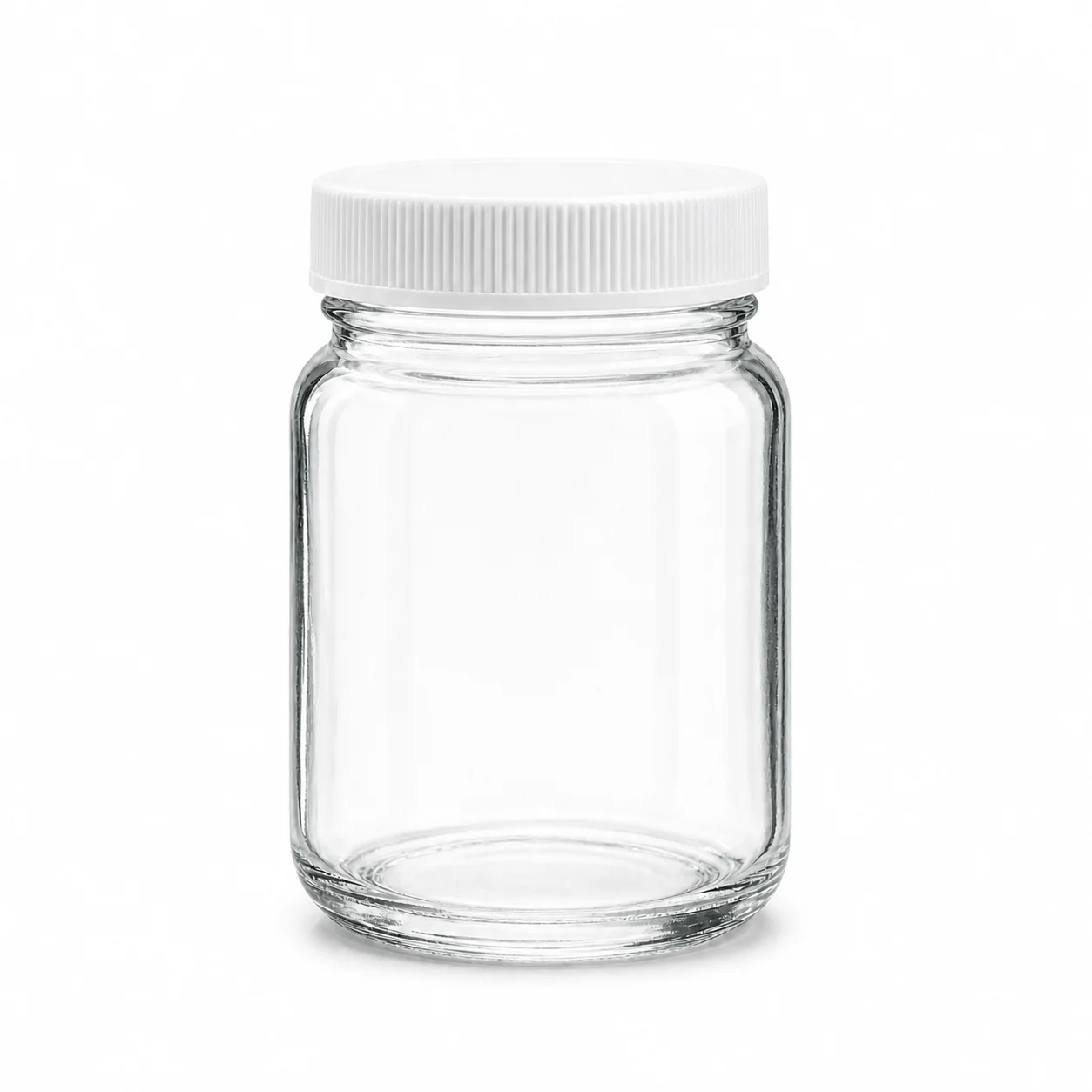
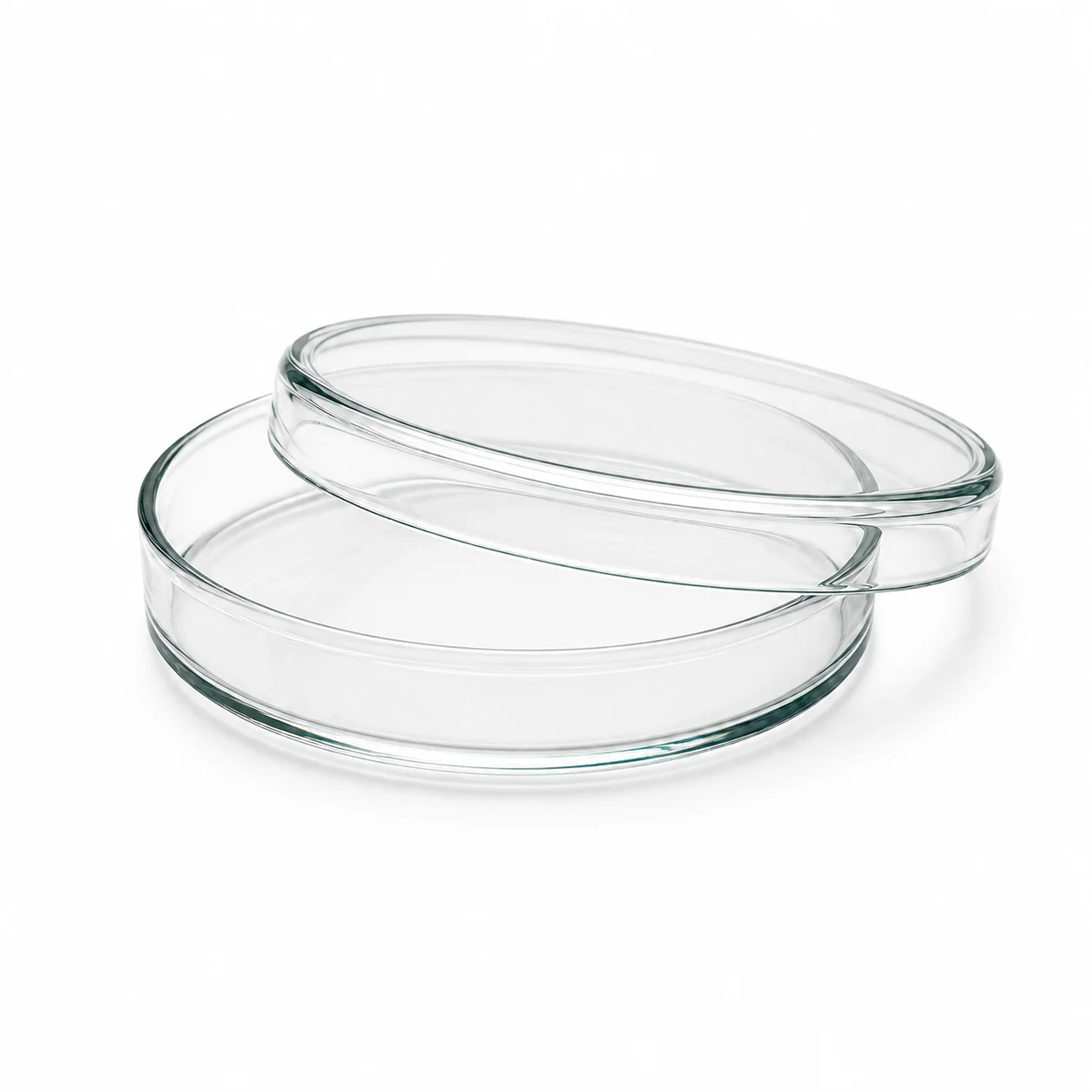
Shallow circular glass dish with a matching loose cover resting on top
Shown configuration · empty dish and cover / medium, culture and labeling not shown

Culture glassware

Petri Dish

A two-part glass Petri dish in 60, 90 and 100 mm diameters, with a loose cover that rests on the base and leaves a deliberate gap for gas exchange.

60, 90 and 100 mmCover sits loose by designReusable through autoclaving
Stock status
In stock
Lead time
2–3 weeks
FOB price / pc
$0.30 - $0.75
MOQ
2,000 pcs

Final availability, dimensions, materials, assembled components and commercial terms are confirmed against the selected drawing and approved sample.

Not an airtight box

The gap is part of how a plate works

Cover and base as a pair

Slight size difference is intentional

Glass over plastic on cost

Reused for years rather than discarded

Petri Dish profile

The loose lid is not a tolerance problem. It is the design.

Gas exchange, condensation & glass versus plastic

Why plates are stored upside down, and five other things the format dictates.

A Petri dish is two shallow cylinders, the cover slightly larger than the base so it drops over it without sealing. That gap admits air for aerobic growth while a labyrinth path keeps most airborne contamination out. Understanding that the dish is a controlled leak rather than a container explains almost everything about how plates are handled.

01

The gap admits air and excludes most contamination

Air reaches the culture through the overlap between cover and base rather than through a vent, and the long, narrow path that overlap creates is what keeps settling spores out. It is not sterile in any absolute sense, which is why plates are poured, handled and incubated with technique that assumes the dish contributes some protection rather than all of it.

02

Plates are incubated inverted for a specific reason

Agar loses water as it warms, and that water condenses on whichever surface is coldest. Right way up, the drops form on the cover and fall onto the culture, spreading colonies into each other and ruining a count. Inverted, condensation collects on the lid below the agar and stays there. The dish design assumes this, which is why plates are labeled on the base.

03

Glass earns back its cost by being reused

Disposable polystyrene dominates routine microbiology because it arrives sterile and needs no washing. Glass wins where dishes are used continuously: it autoclaves indefinitely, does not distort, and is optically better for microscopy through the base. A laboratory pouring plates every day usually finds the washing labor cheaper than a continuing consumable line.

04

Autoclaving is what glass buys, and it has rules

Dishes are sterilized dry, stacked and wrapped or in a canister, with a cycle chosen for dry goods rather than for liquids. Wet steam cycles leave dishes damp and dishes stacked wet stick together and grow contaminants on the shelf. The washing and drying process, rather than the autoclave itself, is where most reusable-dish contamination originates.

05

Flatness is what makes a plate pourable

A base that is not flat gives agar of uneven depth, which changes diffusion distances in a zone-of-inhibition test and makes colony counting inconsistent across the plate. It is a real quality difference between dishes and it is easy to check: pour water into a batch of bases on a level bench and look at the edges before committing to a large order.

06

Diameter is chosen by what is being counted

The 90 and 100 mm sizes are the routine formats for spread and pour plates because they give a countable colony density at typical dilutions. The 60 mm size suits small volumes of expensive medium and screening work where many conditions run at once. Larger square and deep formats exist for other duties and are a different purchase.
Application guide

The lid rests on top; it never seals.

A Petri dish is deliberately not airtight. The loose cover keeps airborne contamination out while still allowing gas exchange, which is what lets cultures grow underneath it. These are development directions confirmed with the actual method.

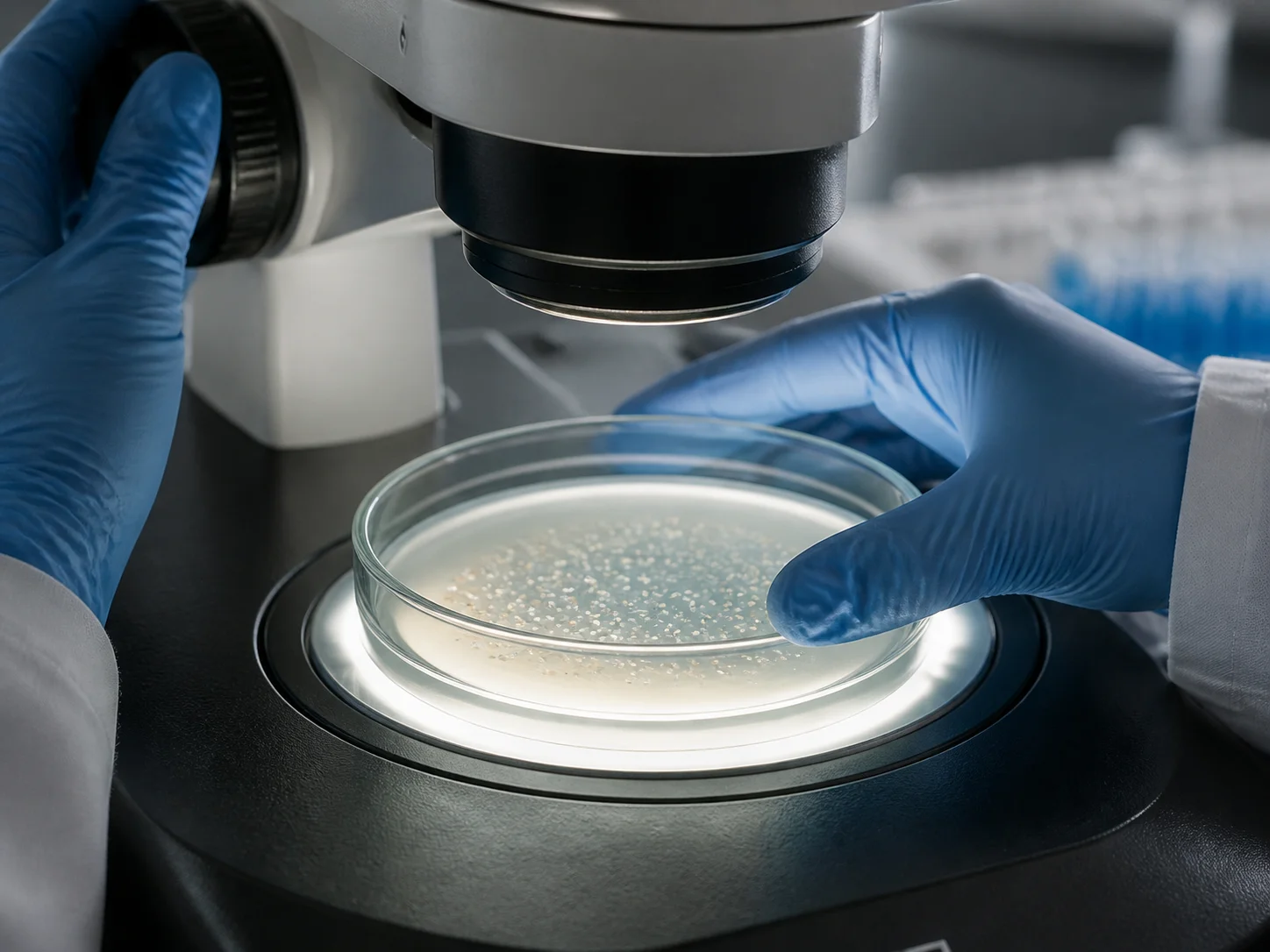
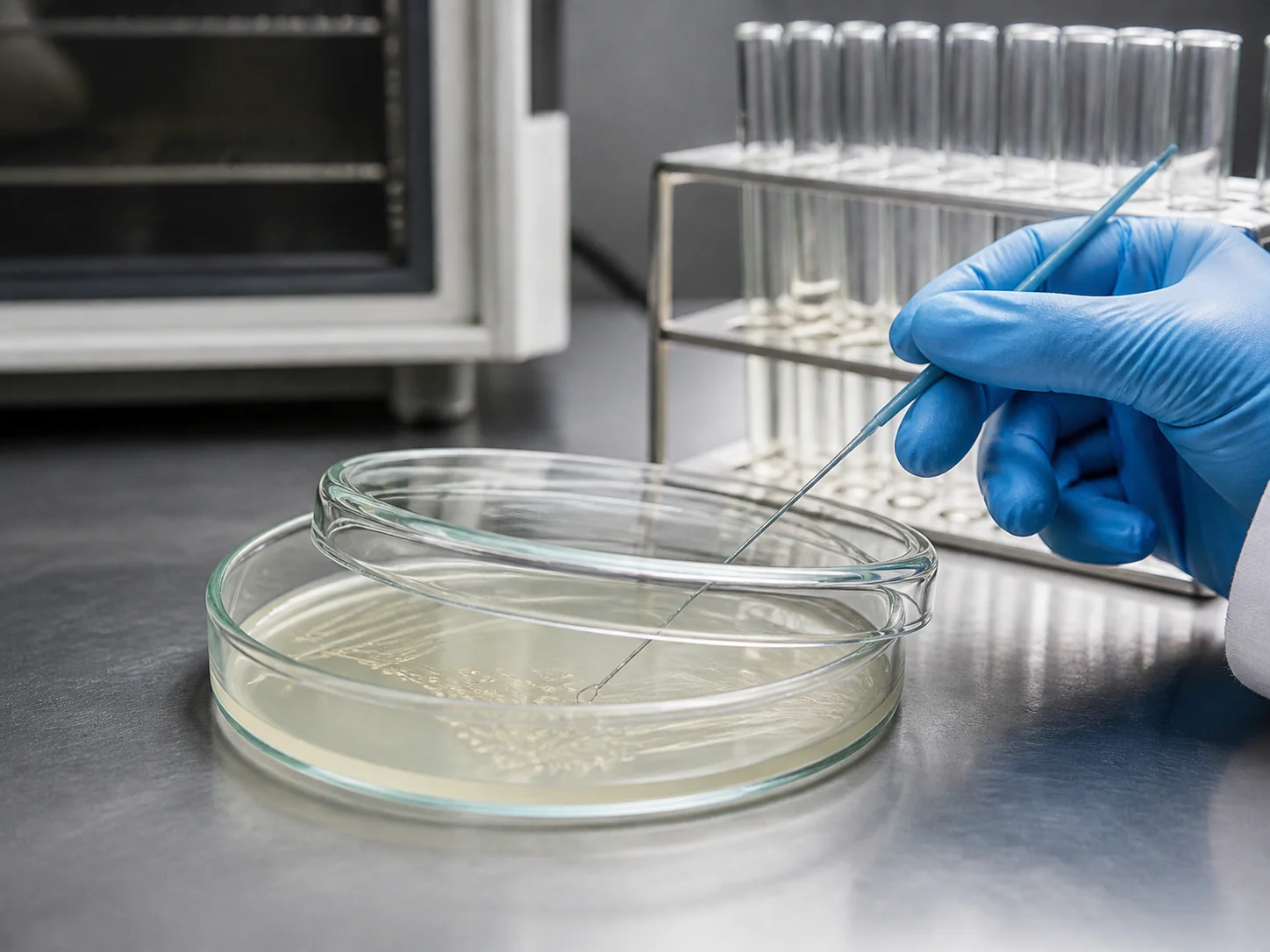
Petri Dish used for media poured, inoculated and incubated in a culture work setting

Culture work

Media poured, inoculated and incubated

For agar poured into the base, allowed to set and then inoculated before spending days in an incubator. The cover sits with a deliberate gap so oxygen reaches the culture while settling particles do not, and that gap is a design feature rather than a poor fit.

  • Confirm the cover allows gas exchange
  • Check the cover resists sliding off
  • Review stacking during incubation
Petri Dish used for dishes that come back week after week in a wash-up rooms setting

Wash-up rooms

Dishes that come back week after week

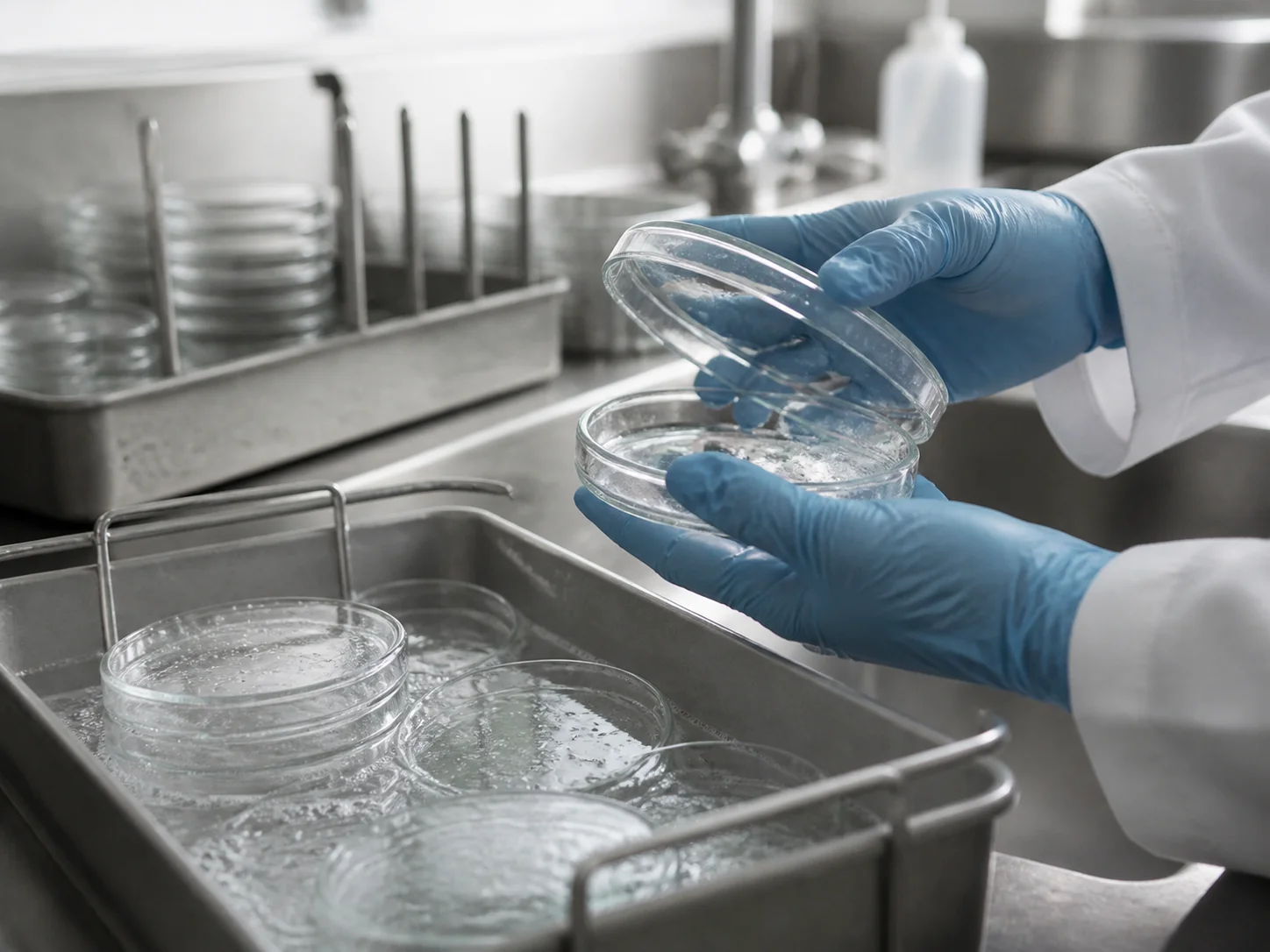
For the staff who collect used plates, run them through a washer and autoclave them for the next set of cultures. Glass earns its place over disposables only if that loop is quick and the dishes survive it, and a base scratched by years of cleaning scatters light and makes an analyst's colony count harder.

  • Confirm the glass survives autoclaving
  • Inspect bases for scratching
  • Plan a cleaning and drying route
Petri Dish used for reading a plate through the glass in a observation setting

Observation

Reading a plate through the glass

Colonies are counted and examined through the base, often under a colony counter or a low-power microscope, so optical clarity and flatness affect how easily results can be read. Distortion in the base makes small colonies harder to resolve.

  • Confirm base flatness and clarity
  • Check readability under a counter
  • Reject dishes with distortion

Applications describe workflow directions. Method suitability, sterilization and laboratory outcomes are confirmed for the selected program.

Common questions

Petri Dish questions

The loose lid confuses people. These six explain what follows from it.

Why are plates incubated upside down?

To keep condensation off the culture. Warming agar loses water, which condenses on the coldest surface; the right way up that is the cover, and the drops fall onto the growth and spread colonies into one another. Inverted, the water collects on the lid beneath the agar and stays there. Labeling goes on the base for the same reason.

Is glass worth it against disposable plastic?

Where dishes are used continuously, usually yes. Polystyrene arrives sterile and needs no washing, which is unbeatable for occasional work. Glass autoclaves indefinitely, does not distort and reads better under a microscope through the base. A laboratory pouring plates daily generally finds the washing labor cheaper than a permanent consumable line.

Our reused dishes keep getting contaminated. Where should we look?

At washing and drying rather than at the autoclave. Dishes sterilized damp, or stacked wet after a liquid cycle, stick together and grow contaminants on the shelf before they are ever used. Sterilize dry, stacked and wrapped or in a canister, on a cycle intended for dry goods, and store them where they cannot pick up moisture.

Does base flatness really matter?

For anything measured, yes. A base that is not flat gives agar of uneven depth, which changes diffusion distances in zone-of-inhibition testing and makes colony counts inconsistent across a plate. It varies between suppliers and it is easy to check: pour water into a batch of bases on a level bench and look along the edges.

What diameter should we order?

Whatever suits what is being counted. A small plate is economical on medium and awkward for spread counts; a larger one gives room for colonies to resolve. Choose the diameter from the assay rather than defaulting to one size across the laboratory.

Next step

Send us the Petri Dish brief.

Tell us the product, fill volume, closure preference and destination market. We will come back with the matching drawings, available configurations and a sample plan before anything is quoted.

  • 01Send the briefProduct, volume, closure and market
  • 02Get the optionsMatching drawings and configurations
  • 03Approve the sampleConfirm the pack before production