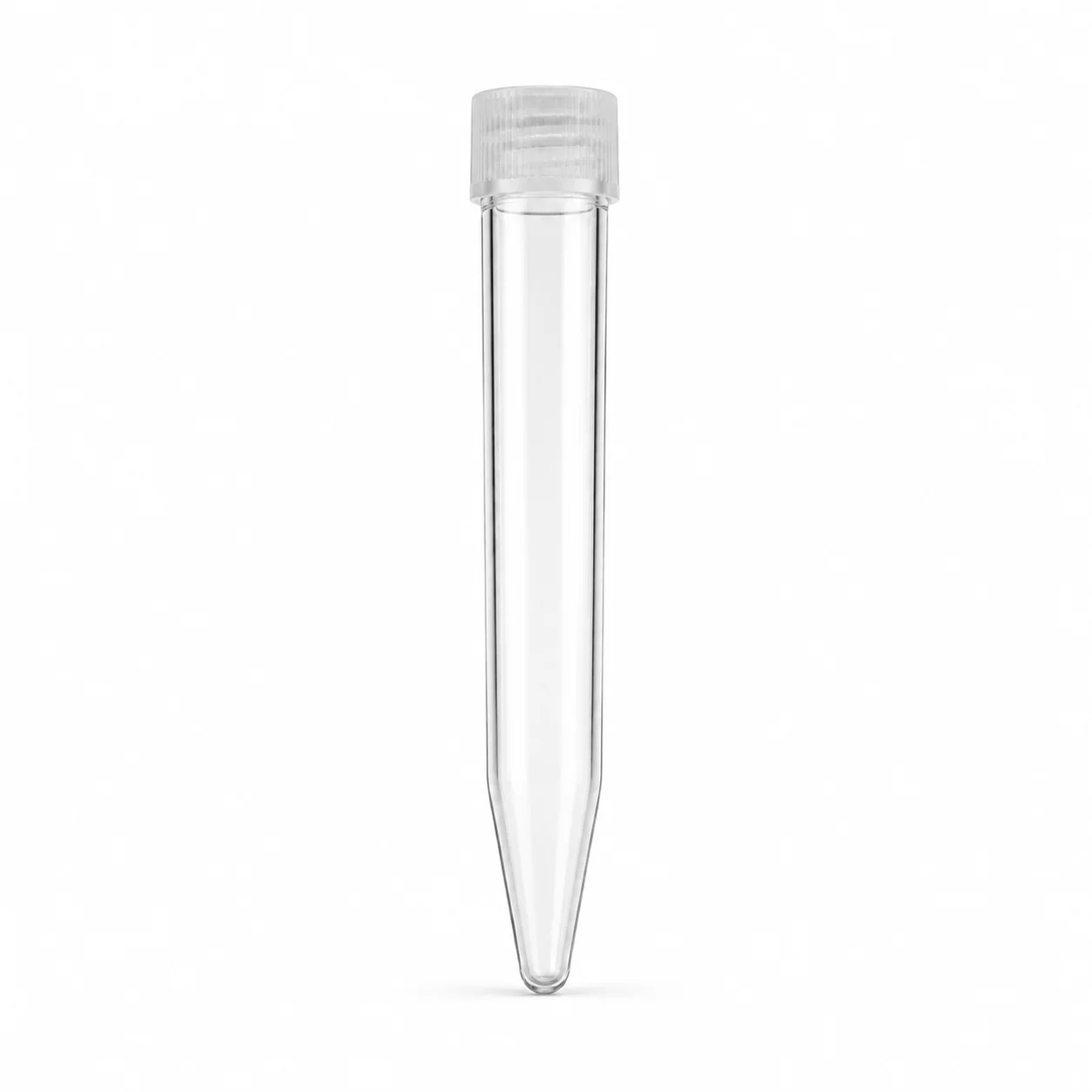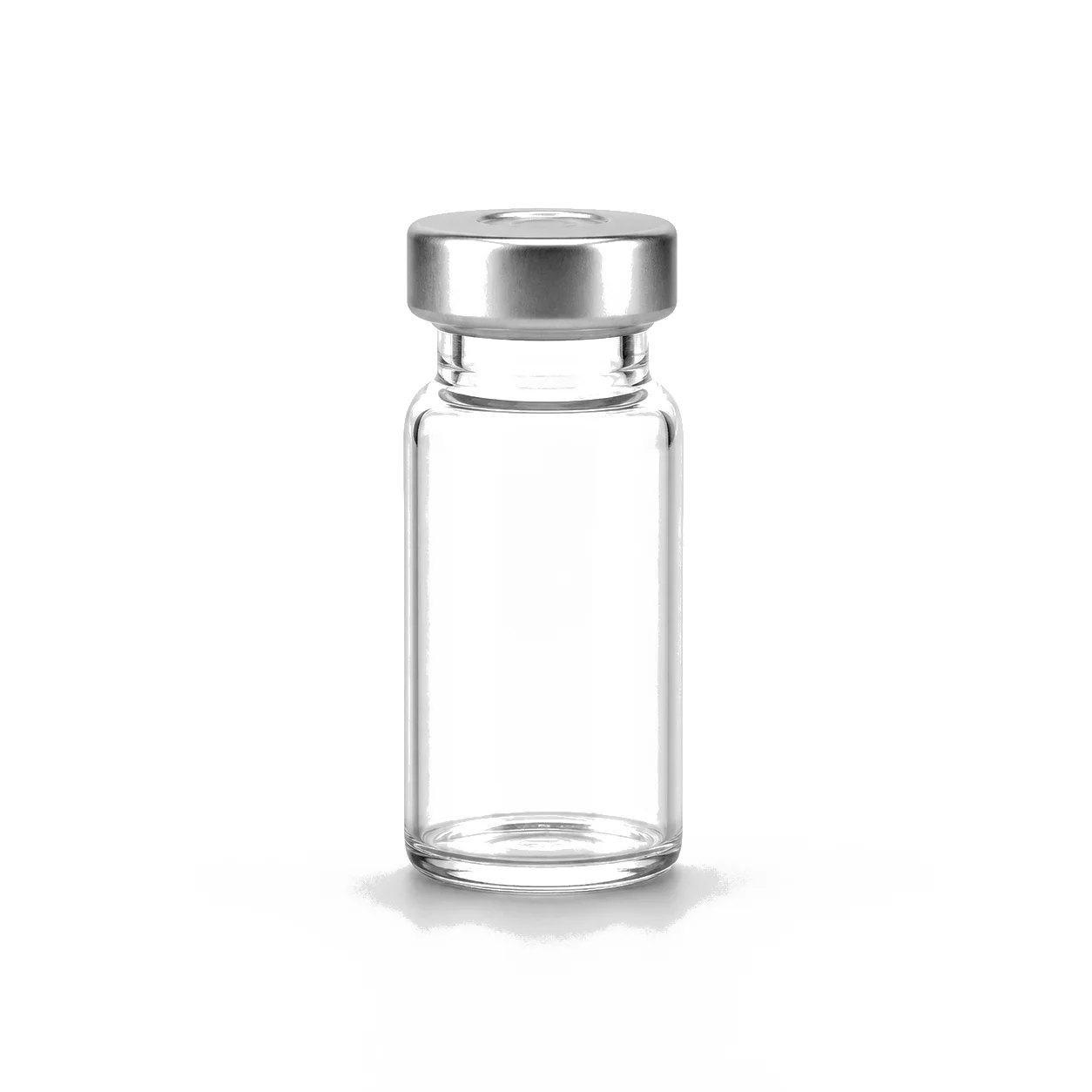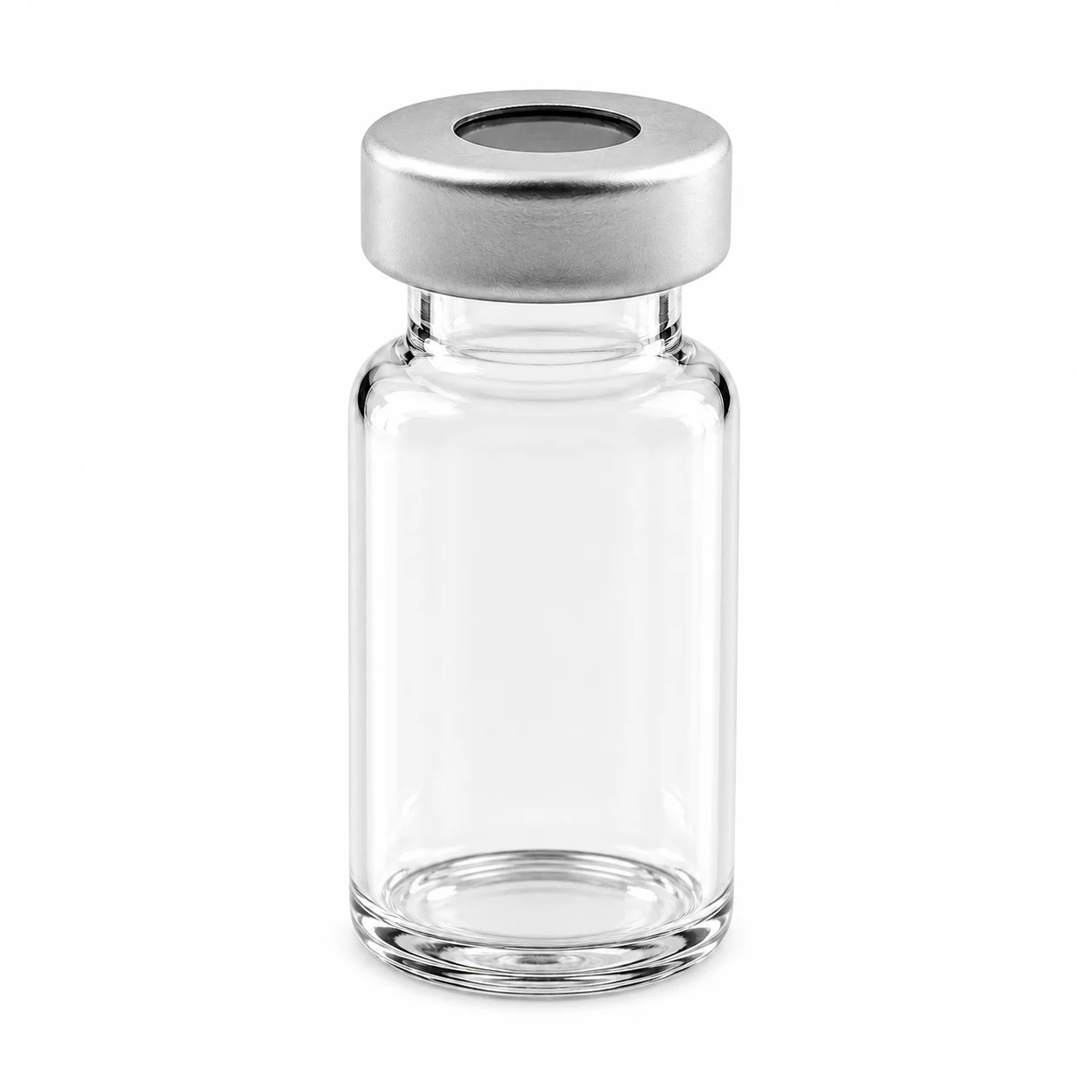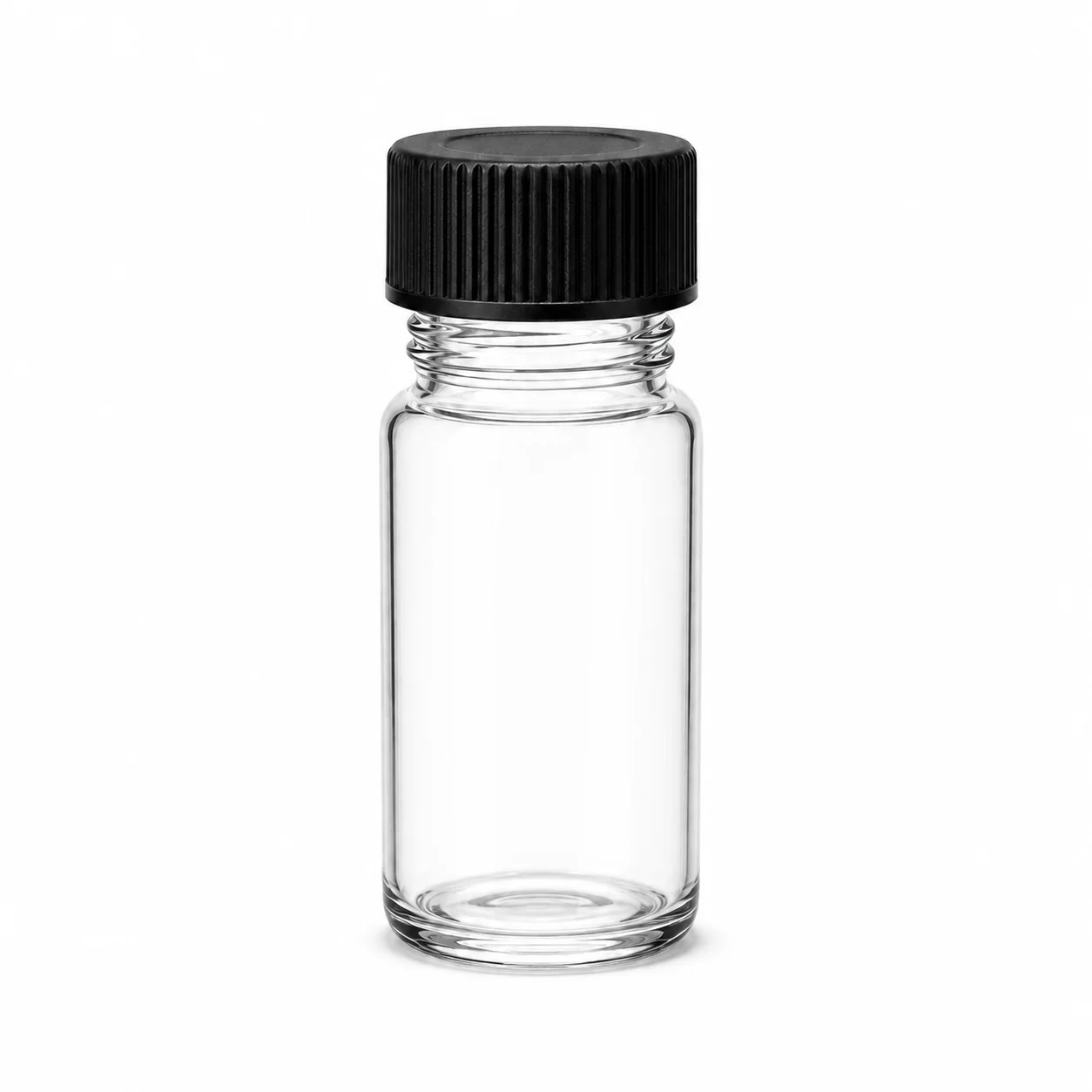
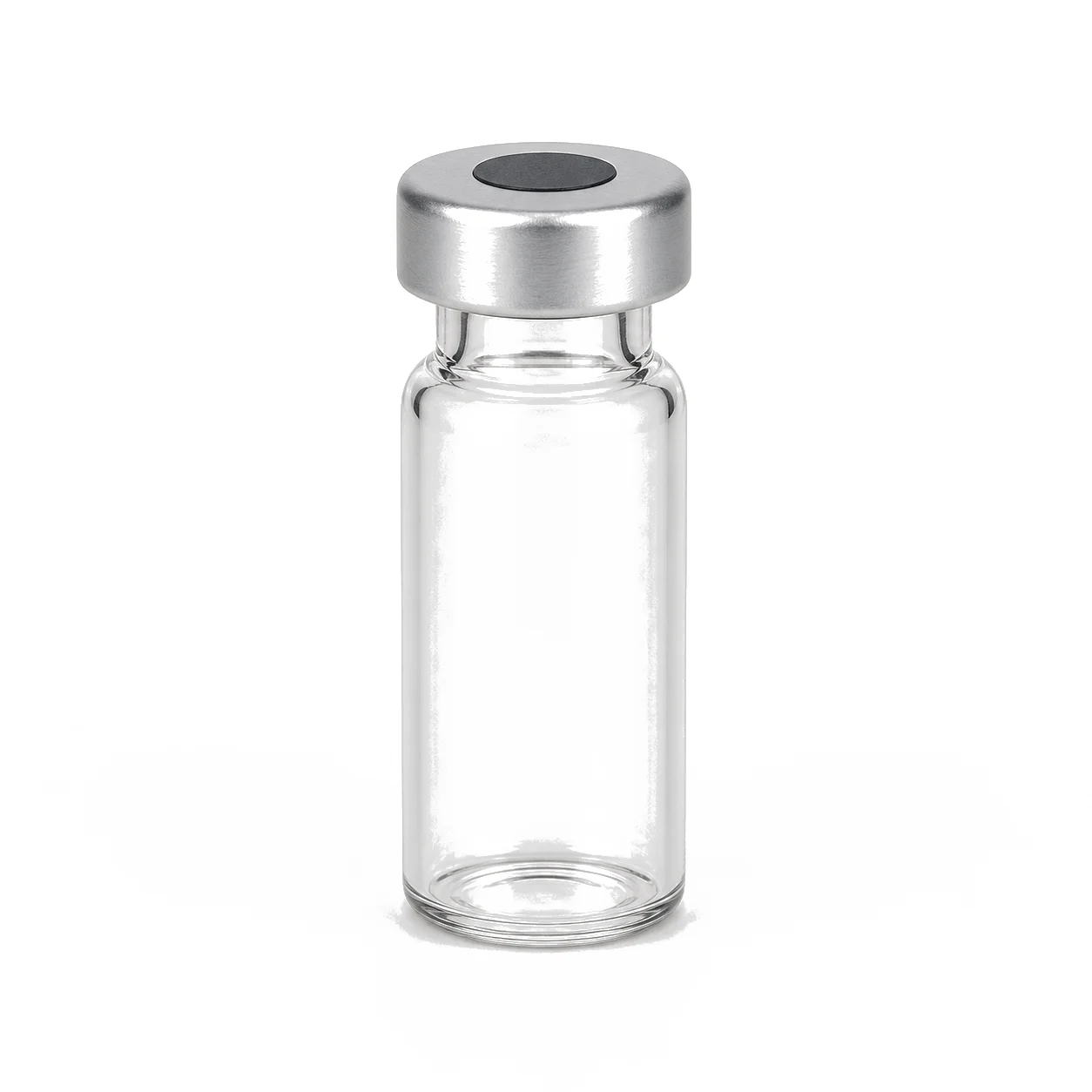
Small clear chromatography vial with a straight body, flat base and short threaded neck
Shown configuration · vial only / cap, septum, insert and sample not shown

Chromatography consumables

HPLC / Chromatography Vial

A 2 mL autosampler vial in 12 × 32 mm format, offered with a 9 mm short thread, an 11 mm crimp or an 11 mm snap ring, in clear or amber Type I glass.

12 × 32 mm footprint9 mm thread, 11 mm crimp or snapClear and amber
Stock status
In stock
Lead time
2–3 weeks
FOB price / pc
$0.55 - $1.00
MOQ
3,000 pcs

Final availability, dimensions, materials, assembled components and commercial terms are confirmed against the selected drawing and approved sample.

Tray dictates the format

The autosampler decides thread, crimp or snap

Inserts recover small volumes

Conical and flat-base glass inserts

Glass can adsorb

Deactivated surfaces for basic analytes

HPLC Chromatography Vial profile

The smallest consumable in the laboratory, and the one that ruins the most sequences.

Closure systems, inserts & surface chemistry

Five things that decide whether a sequence runs clean overnight.

A 2 mL vial in the 12 × 32 mm format is dimensioned to a tray rather than to a bench. Its diameter, height, neck style and septum all have to suit the autosampler, and its glass surface has to leave the analyte alone. Failures here look like chromatography problems and are almost always consumable problems.

01

The autosampler chooses the neck, not the chemist

The same 12 × 32 mm body is supplied with a 9 mm short thread, an 11 mm crimp finish or an 11 mm snap ring. Robotic and rotating-arm samplers are built around one of these, and a vial in the wrong style either will not seat or will not release the septum cleanly at the needle. Confirm the instrument's specified format before quantity is decided.

02

The 425 in 9-425 is a finish series, not a thread count

Screw-thread vials are coded by nominal diameter and finish series, so 9-425 describes a 9 mm neck on the 425 finish. It is occasionally miswritten as a threads-per-inch figure, which is nonsense at that scale. The practical point is that the cap must match both figures: a 9 mm cap in another series will start on the thread and stop before it seals.

03

Septum choice is a compatibility question with a needle in it

PTFE-faced silicone is the common default: the PTFE face keeps silicone away from the sample and the silicone gives resealing after the needle passes. Pre-slit septa reduce coring and needle drag, at the cost of a slightly poorer seal for volatile samples. The choice follows the solvent, the analyte and how many injections come out of one vial.

04

Inserts are about needle depth as much as volume

A conical or flat-base glass insert lets a 100 µL sample be sampled reliably from a 2 mL vial, but only if the needle reaches the bottom of the insert without striking it. Insert height, spring type and the sampler's needle depth setting are one problem, not three, and mismatches show up as low or missing peaks in a sequence that otherwise looks fine.

05

Glass surfaces are not inert to every analyte

Silanol groups on borosilicate can adsorb basic compounds and chelating species at trace level, producing low recovery that no amount of method development fixes. Deactivated or silanized vials exist precisely for that case. When a trace basic analyte reads low from a standard vial and correctly from a fresh solution, the vial surface is the first thing to test.

06

Amber vials trade visibility for light protection

Photolabile analytes need amber, and amber costs you the ability to see the fill level, an insert seated wrongly or a particulate in the sample. In a hundred-vial sequence that visual check is worth something. Where only some analytes are light sensitive, running two vial types deliberately is better than moving the whole laboratory to amber.

Application guide

Choose containment that supports the analytical workflow.

Chromatography vials are selected for the route between sample preparation and injection. Sample chemistry, instrument geometry and the analytical method determine the appropriate system.

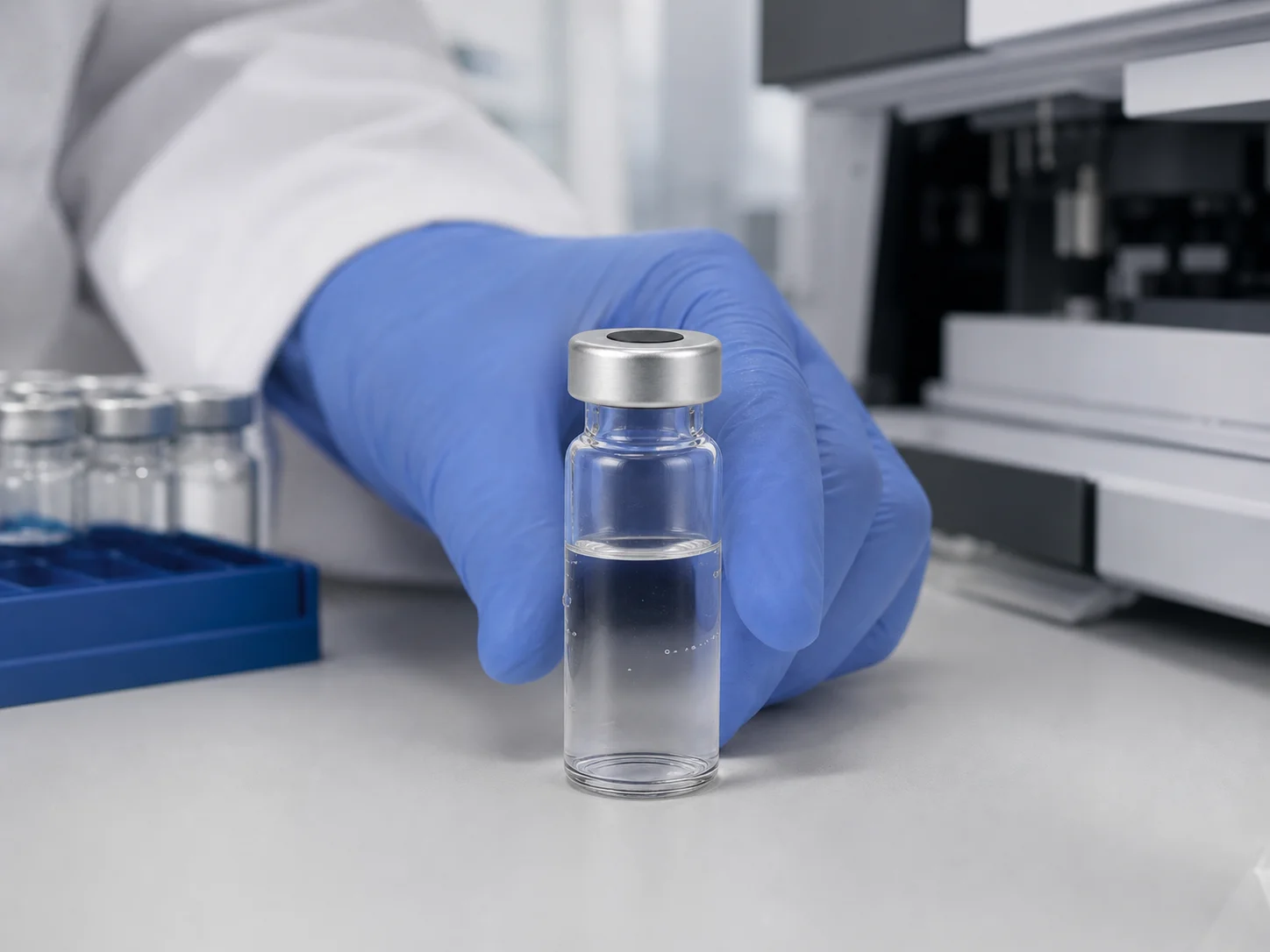
HPLC / Chromatography Vial used for prepared lc / hplc samples in a routine chromatography setting

Routine chromatography

Prepared LC / HPLC samples

For routine analytical runs where an autosampler picks up, pierces and injects from the vial without anyone watching, often overnight. Confirm the selected top style, cap and septum route against both the method and the actual instrument configuration, since a vial that fits one autosampler tray may jam in another.

  • Confirm autosampler compatibility
  • Select vial and cap together
  • Assess needle access in the method
HPLC / Chromatography Vial used for trace and mass-spectrometry workflows in a sensitive analysis setting

Sensitive analysis

Trace and mass-spectrometry workflows

For sensitive methods where background peaks, extractables from the septum or adsorption of the analyte onto the glass surface can quietly distort a result. The material and component route should be settled during method development, with blanks run in the actual vial, rather than assumed from whatever standard format is on the shelf.

  • Review sample-contact materials
  • Evaluate blanks and recoveries
  • Control consumable changes
HPLC / Chromatography Vial used for limited or precious sample sets in a low-volume samples setting

Low-volume samples

Limited or precious sample sets

For workflows where only a small amount of sample exists and the needle has to reach the last of it, leaving as little unusable residual volume as possible. A compatible insert or a high-recovery vial geometry should be evaluated inside the chosen vial and autosampler system together, since needle depth is set by the instrument.

  • Confirm draw height
  • Assess recovery pathway
  • Protect sample identification

The responsible laboratory must validate the selected consumables within its own method, instrument and sample matrix.

Common questions

HPLC Vial questions

Vial problems disguise themselves as method problems. These six are the usual suspects.

What does the 425 in 9-425 mean?

It is a finish series, paired with the 9 mm nominal neck diameter. It is sometimes miswritten as threads per inch, which cannot be right at that scale. The practical consequence is that a cap has to match both numbers: a 9 mm cap from another series will engage the thread and then stop short of sealing, which shows up as evaporation overnight.

Our trace basic analyte reads low. Could it be the vial?

Very possibly. Silanol groups on borosilicate adsorb basic and chelating compounds at trace level, and no amount of method development recovers what is stuck to the wall. Deactivated or silanized vials exist for exactly this. The diagnostic is simple: compare the result from a standard vial against the same solution injected fresh.

Why do inserts sometimes give no peak at all?

Needle depth. An insert only works if the needle reaches the liquid without striking the bottom, so insert height, spring type and the sampler's depth setting are one problem rather than three. A mismatch produces low or missing peaks in a sequence that otherwise looks completely normal, which is why it is worth verifying once and documenting the combination.

Should we use amber vials?

Only where light matters, because you lose sight of the sample. Amber protects photosensitive analytes but hides fill level, particulates and any phase separation, which are things an analyst wants to see before an injection. Make it an analyte decision.

Next step

Send us the HPLC / Chromatography Vial brief.

Tell us the product, fill volume, closure preference and destination market. We will come back with the matching drawings, available configurations and a sample plan before anything is quoted.

  • 01Send the briefProduct, volume, closure and market
  • 02Get the optionsMatching drawings and configurations
  • 03Approve the sampleConfirm the pack before production