Adapters, dosing devices & inverted use
Six requirements that arrive with the dosing device.
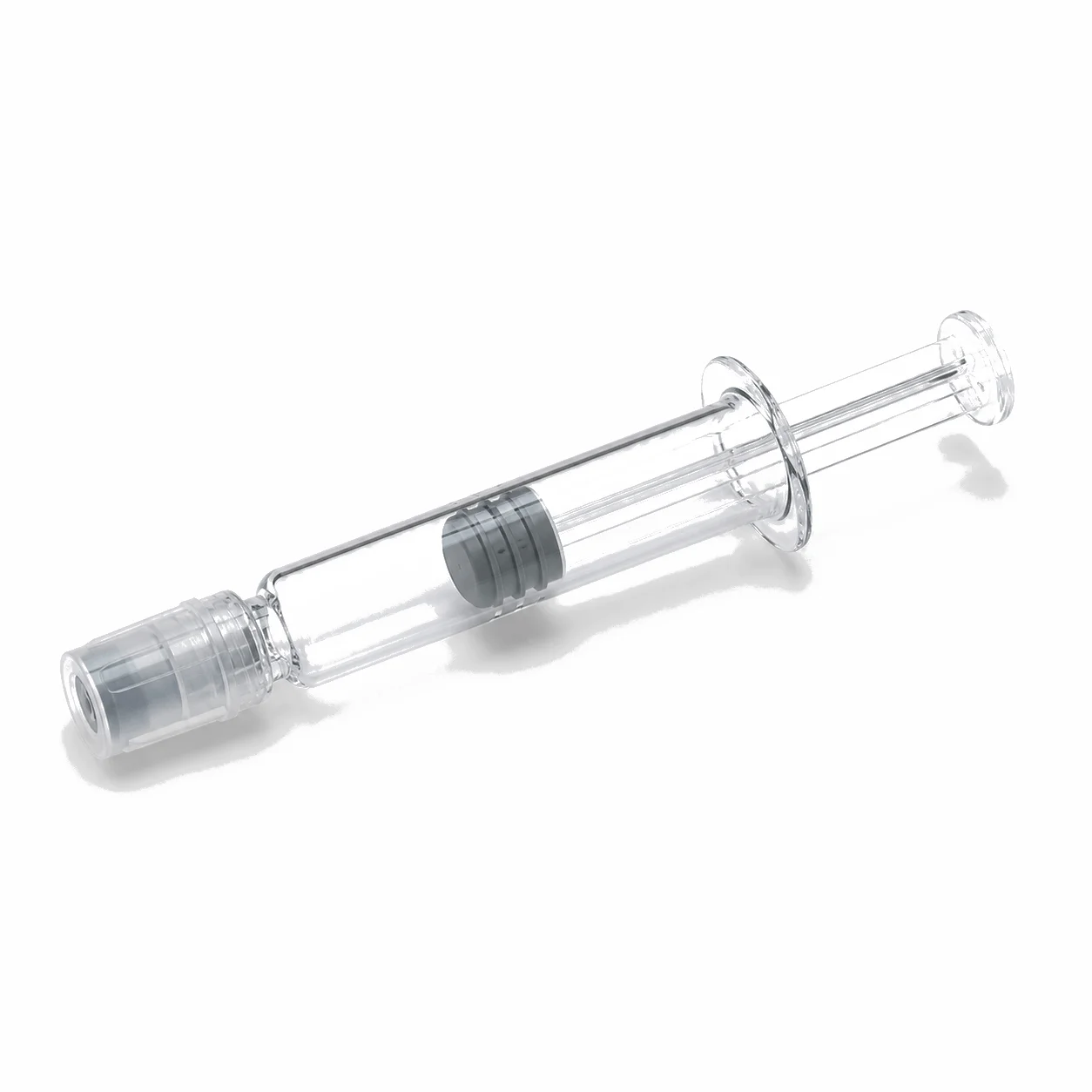
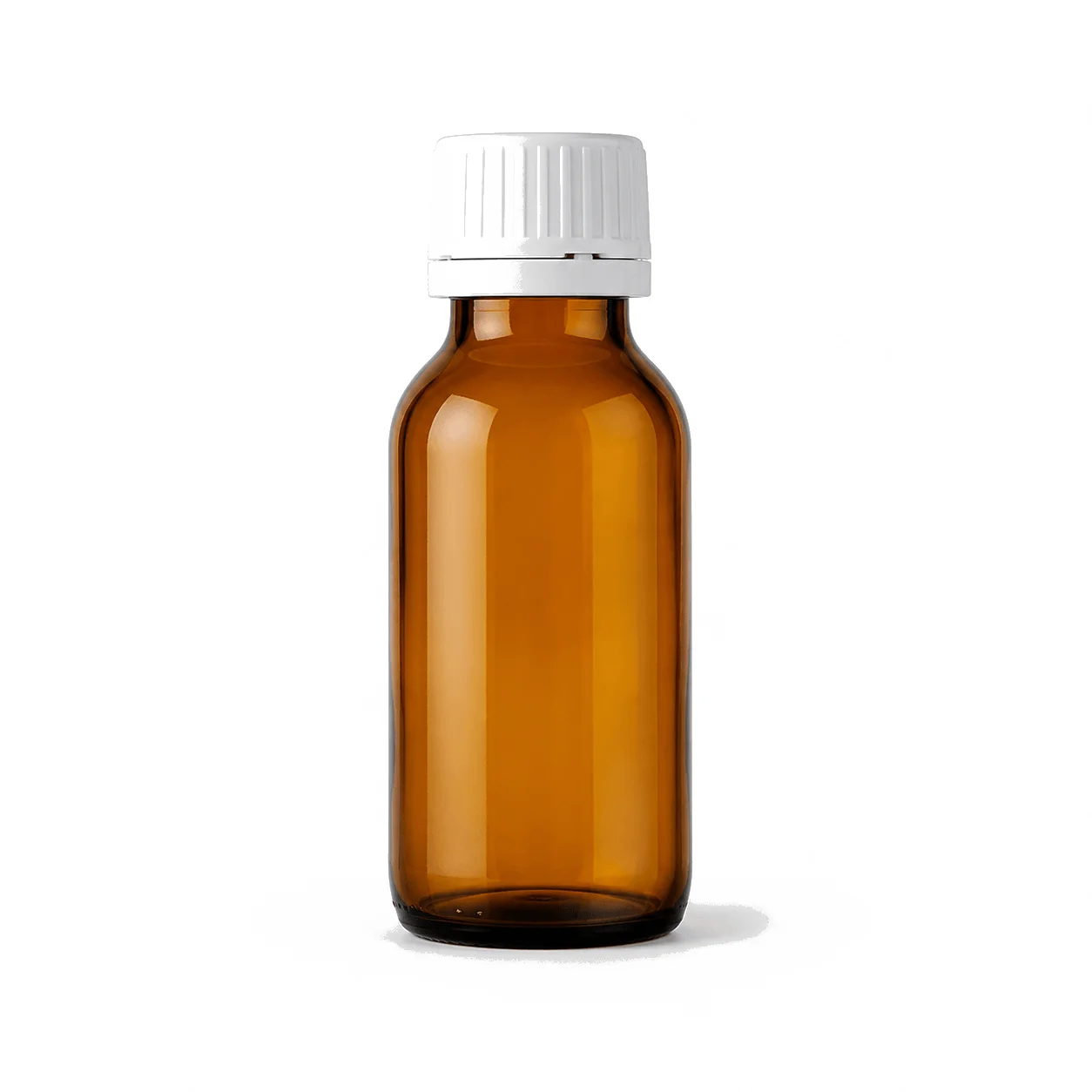
Oral liquids for children and for anyone who cannot swallow tablets are dosed with a syringe rather than a spoon, and that syringe draws through a press-in adapter in the bottle neck. From that point the neck has two jobs: sealing against the cap, and accepting a device with enough grip to survive being inverted and pulled.
The adapter has to stay in under load
A bottle adapter is pressed into the bore and holds by interference, and the patient then inverts the bottle and pulls a syringe against it. If it lifts, the dose is lost and the bottle leaks. Because glass bore tolerance is wider than the adapter's molding tolerance, retention is verified across cavities rather than on a single sample.
The syringe comes first in the specification
Dose volumes, graduations and syringe size are decided from the dosing regimen, and the adapter is chosen to fit that syringe's tip. Only then does the neck follow. Programs that pick a bottle and then look for a compatible device usually end up with an adapter that fits one and not the other, at which point the bottle changes.
Inverted use is the normal case, not an accident
The bottle spends part of every dose upside down with the cap off, so anything that relies on gravity to stay in place will not. That includes the adapter, any inner seal remnant and the liquid itself around the neck. It is worth testing the pack the way it is used rather than upright on a bench.
Residual volume is a labeled-dose problem
A syringe cannot draw the last few milliliters from a bottle whose shoulder holds liquid away from the adapter, so the labeled number of doses has to survive that residual. Bottle shoulder geometry, adapter depth and overfill are one calculation, and the honest test is dosing a filled pack to exhaustion and counting what came out.
Marked dosing devices are regulated, not decorative
Where a dosing device accompanies an oral liquid, the units on it are expected to match the units in the dosing directions, without extraneous markings. That constrains which syringe can be supplied with a given label, and it makes the device part of the artwork approval rather than a separate accessory purchase.
The bottle has to survive being shaken hard before every dose
Suspensions are labeled to be shaken until uniform, and patients do that vigorously with a full bottle. The closure has to hold under that, the adapter has to stay seated, and the label has to survive a wet hand gripping it twice a day for the length of the course.