Viscosity, crystallization & dosing
Six consequences of packaging a sugar solution.
A pharmaceutical syrup is a concentrated sugar solution carrying an active. It is viscous, it clings to glass, it crystallizes wherever solvent evaporates, and it is dosed in milliliters rather than drops. Each of those properties leans on a different part of the container, and together they explain why syrup bottles look the way they do.
Crystals at the finish stop the cap sealing
Syrup left on the thread after pouring loses water and crystallizes, and after a few doses the cap grinds when it is turned and no longer seats fully. A shoulder that drains cleanly and a finish that does not trap liquid reduce it; a wipe-clean instruction on the label does the rest. It is the commonest in-use complaint on syrup packs.
Viscosity sets the filling speed, not the pump
A heavy syrup fills slowly, foams if it is dropped from height and strings between the nozzle and the bottle at cut-off. Filling equipment is set for the formulation's viscosity at its filling temperature, and a bottle with a narrow neck compounds every one of those problems. Neck diameter is a line-speed decision as much as a user one.
Dosing is by volume, and the device follows the dose
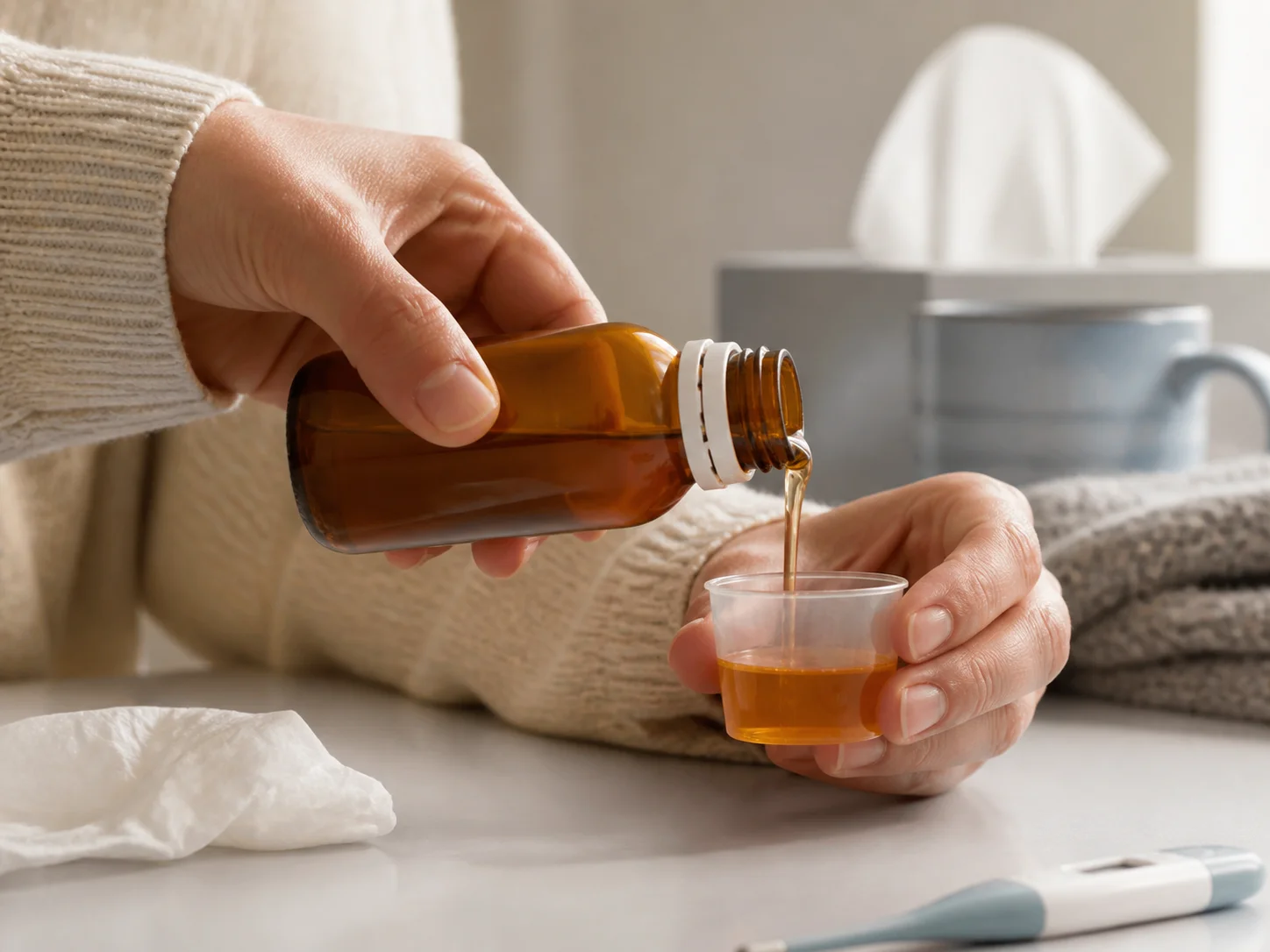
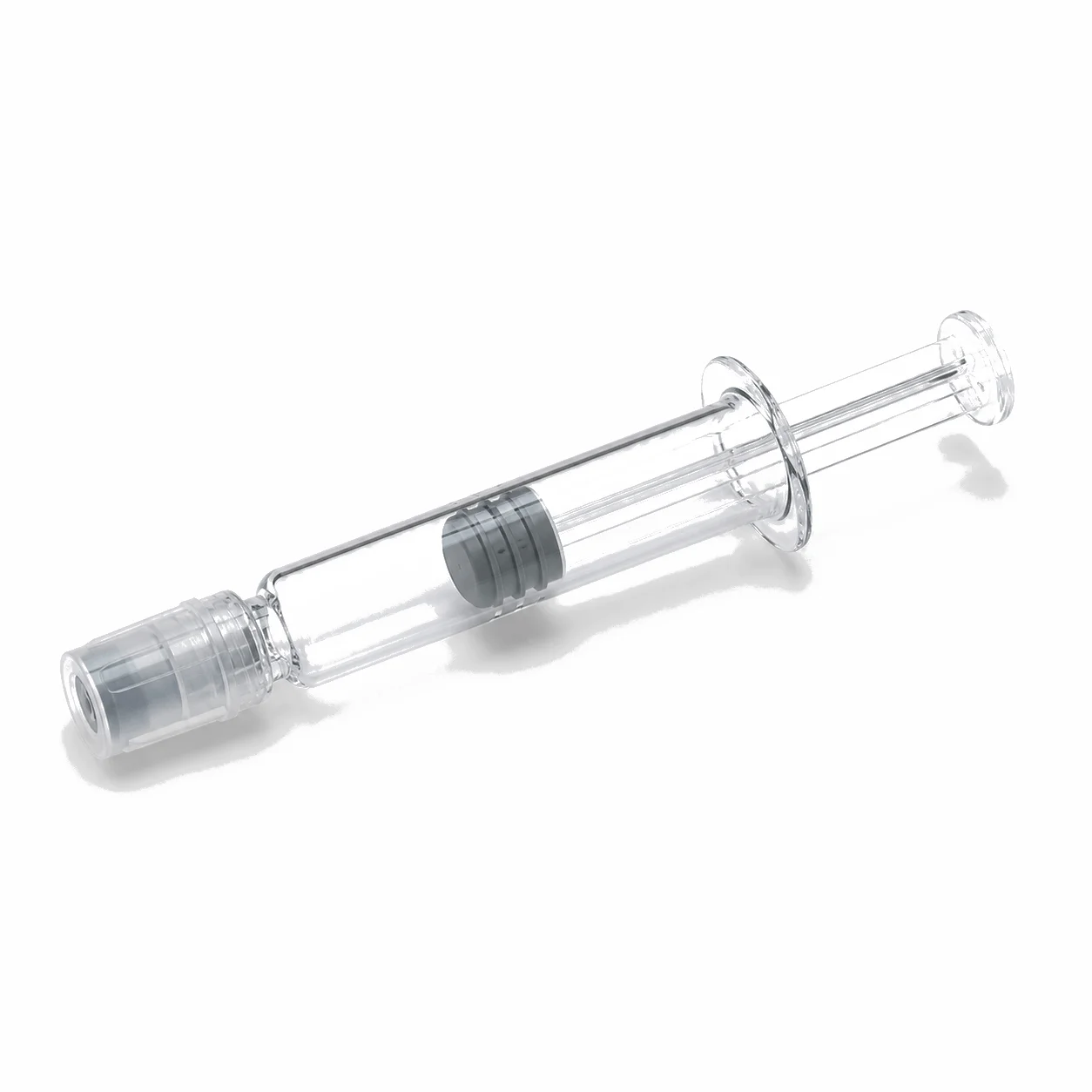
Syrup doses are typically 2.5 to 15 mL, which is a cup or a syringe rather than a dropper. Where a cup is supplied, its units have to match the labeled directions, and where a syringe is used the bottle needs an adapter. The dose size effectively chooses which of the two the pack carries.
Sugar solutions support growth once opened
A high-sugar vehicle is not automatically self-preserving, particularly once diluted by condensation or contaminated by a spoon that has been in a mouth. Preservative systems, in-use shelf life and the instruction to use a supplied device rather than household cutlery all come from that, and they are container-adjacent decisions rather than purely formulation ones.
Amber, because the actives usually need it
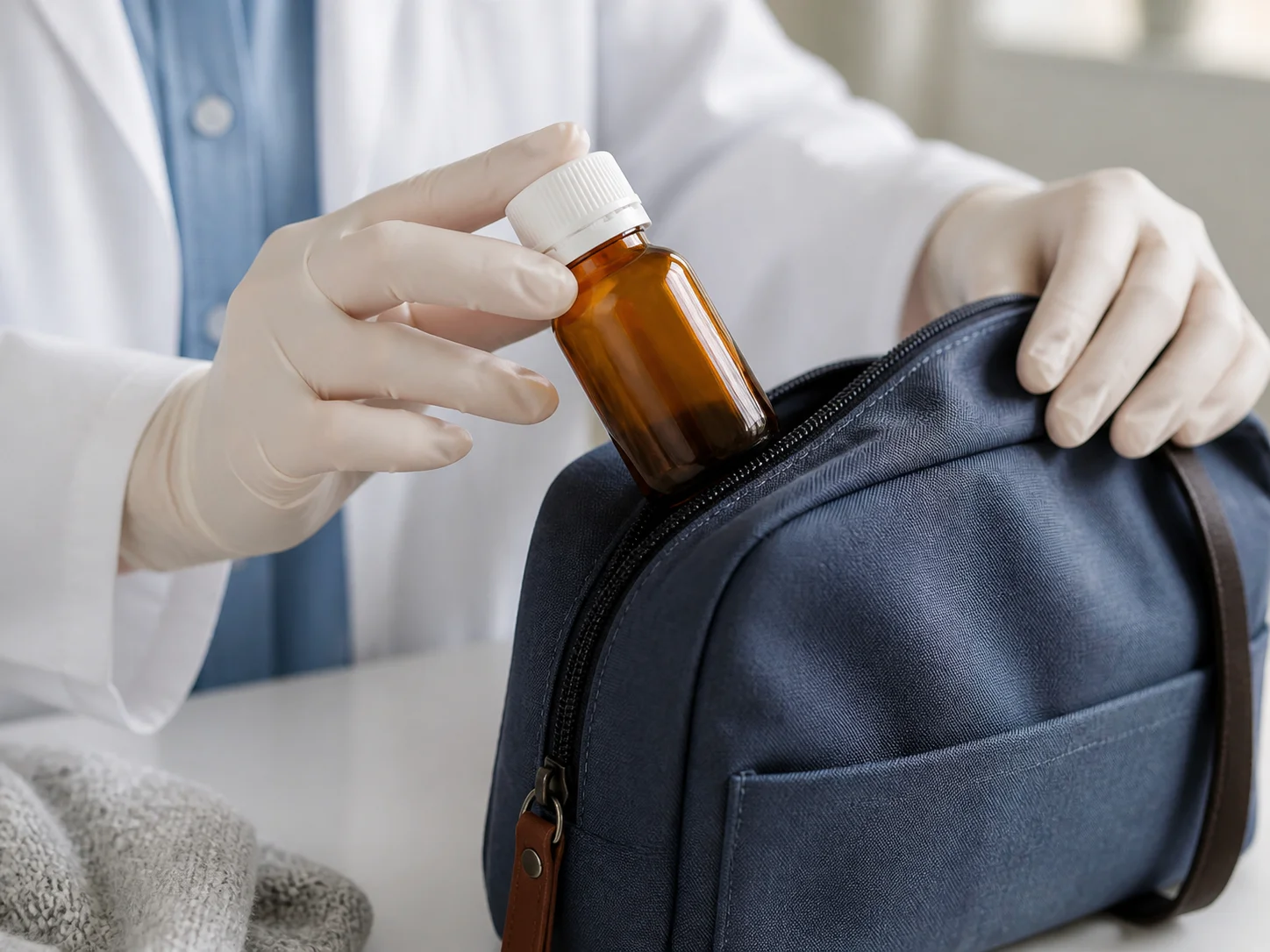
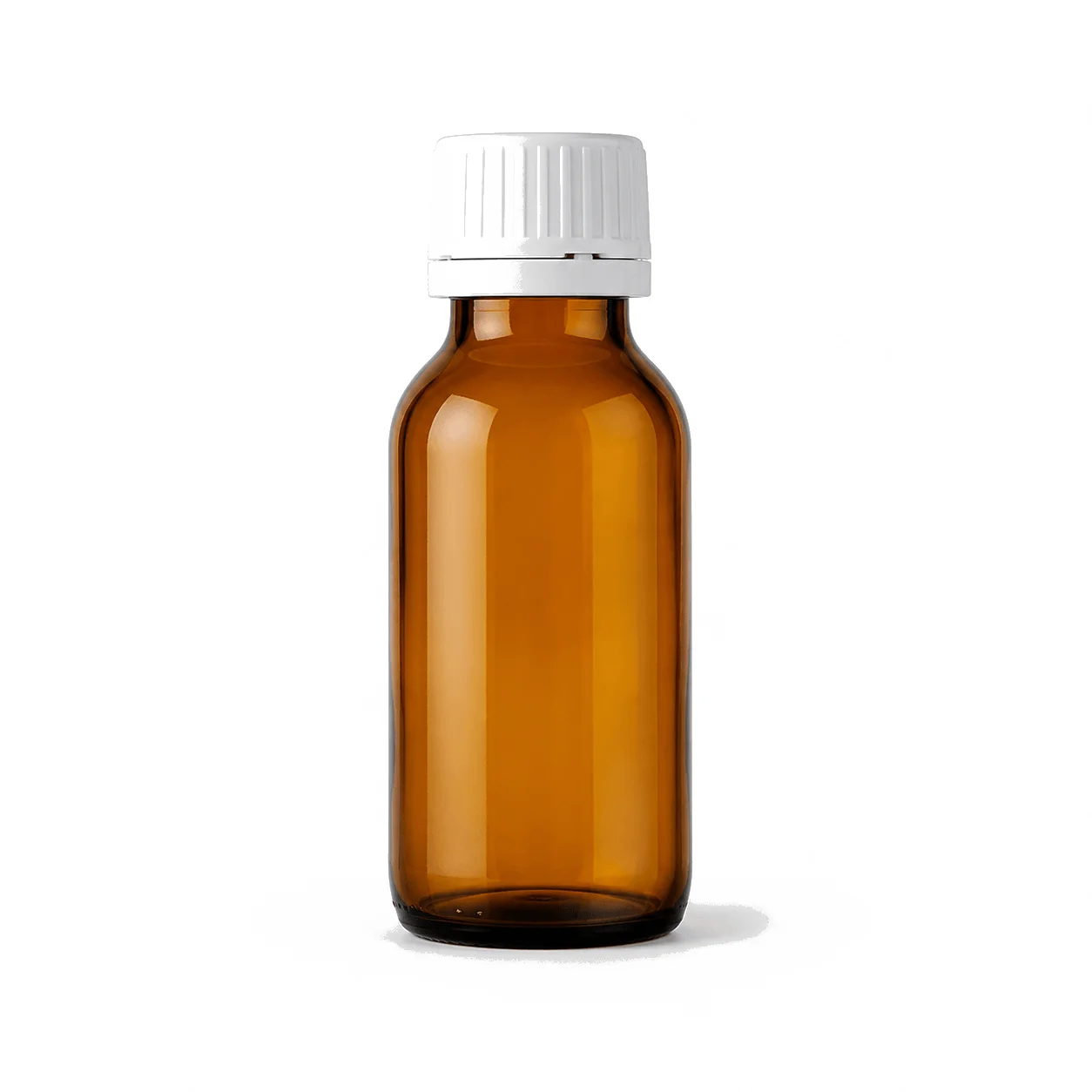
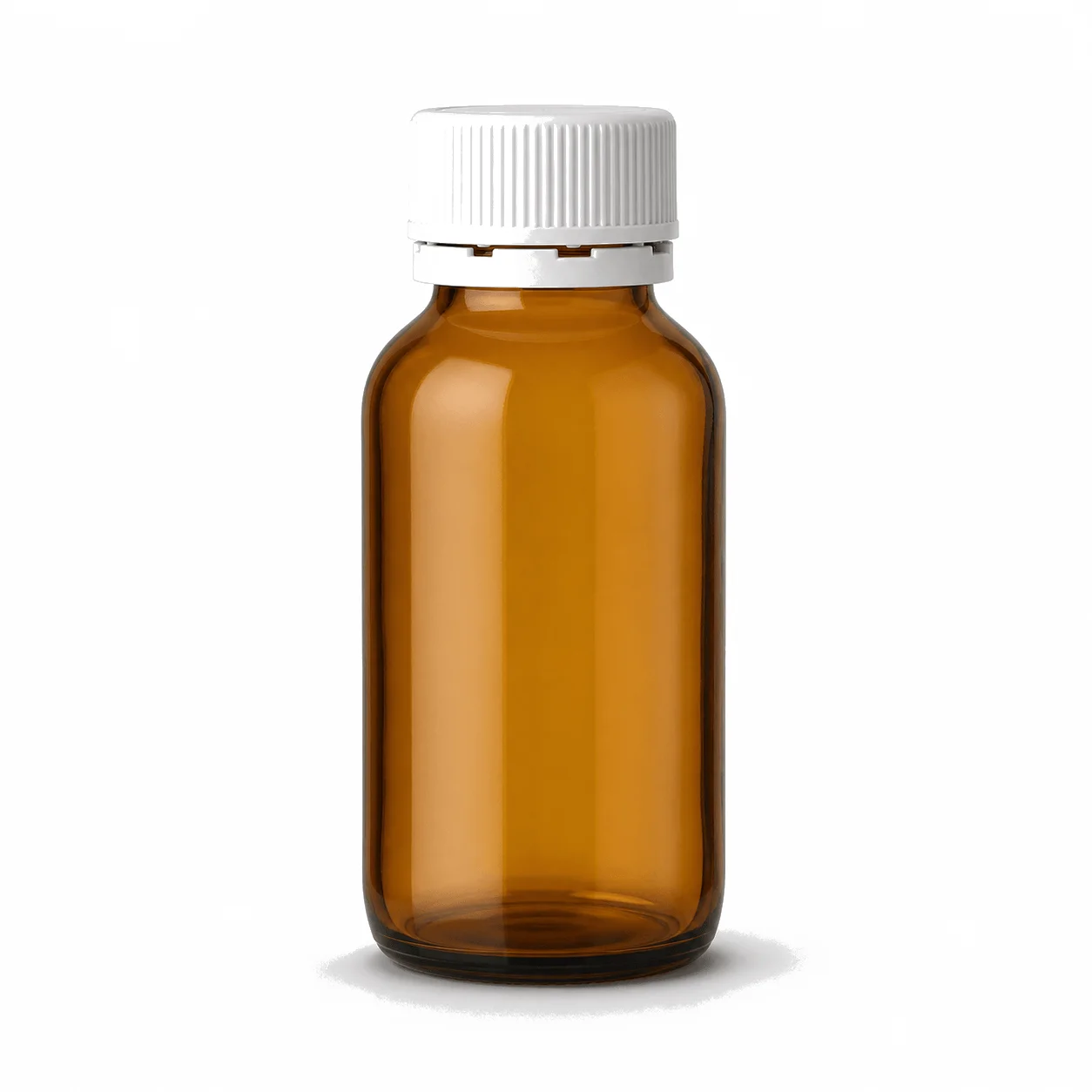
Syrups often carry actives that are light sensitive, and the vehicle itself can discolor under light. Amber glass is the standard answer, and it costs the customer the ability to see how much is left. A fill-level indication or a bottle whose shape shows the level at the shoulder recovers part of that.
Fill temperature decides both the vacuum and the crystals
Hot-filled syrup contracts on cooling and pulls the closure down, which helps the seal, and it also drives sugar toward saturation at the coldest surface, which is the finish. Fill temperature is therefore chosen against both effects rather than against line speed alone.